Zimbabwe, a land of stunning landscapes, rich history, and resilient people, is a country that often surprises visitors. Whether you’re a curious traveller, a student, or a business professional, understanding the key facts about Zimbabwe is the first step to appreciating its unique character.
Let’s dive into the essential information that defines this remarkable nation.
Key Facts About Zimbabwe
-
Population: 16.6 million (2024 Est.)
-
Official Languages: English, Shona, and Ndebele
-
Capital City: Harare
-
Surface Area: 390,760 km² (150,873 sq mi)
-
Currency: Zimbabwe Gold (ZiG) and US Dollar (multi-currency system as of October 2025)
-
Time Zone: Central Africa Time (UTC+2)
Deep Dive into Zimbabwe’s Identity
Geography and Landscape
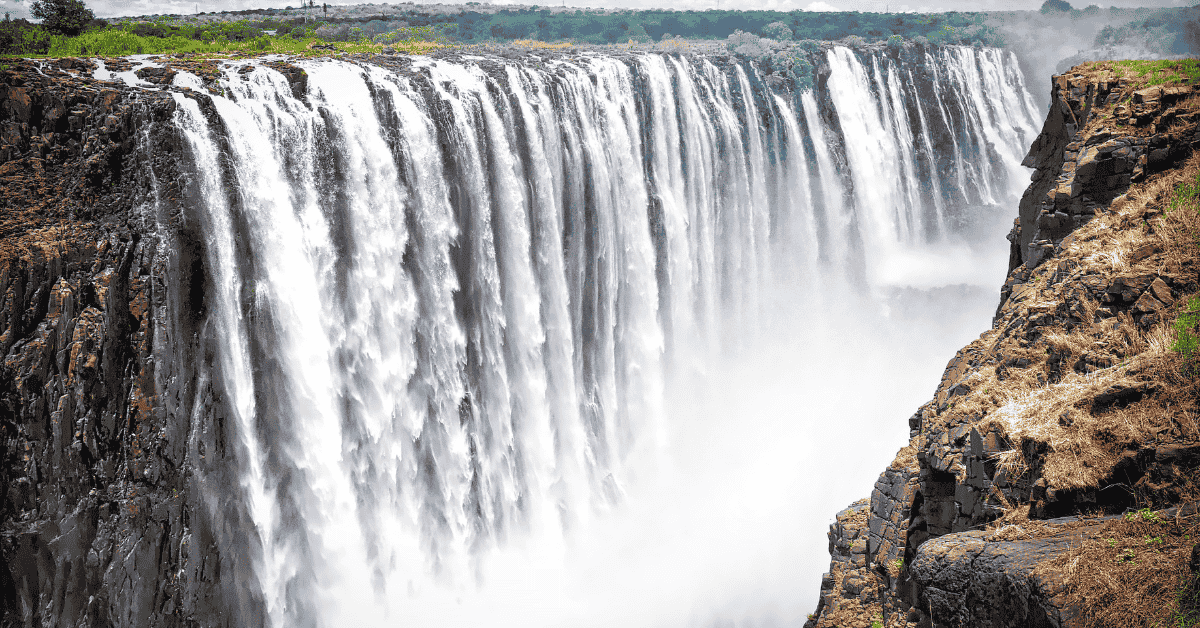
Zimbabwe is a landlocked country in Southern Africa, sitting on a high plateau. This geography gifts it with a moderate climate and diverse scenery. The country is famous for the majestic Victoria Falls, one of the largest and most spectacular waterfalls in the world, known locally as “Mosi-oa-Tunya” or “The Smoke That Thunders.”
Other major urban centres include Harare (which is the capital city), Bulawayo, Mutare, Gweru, and the resort town of Victoria Falls itself.
Economy and Development in ZImbabwe
Zimbabwe’s economy is on a path of growth and transformation.
-
GDP Growth: The economy grew by an estimated 5% in 2023.
-
GDP Per Capita: Approximately $2656.4 (2024 stats).
-
Key Sectors: The labour force is primarily engaged in agriculture (53%), followed by services (34%) and industry (14%). This highlights the country’s strong agricultural base alongside a growing service sector but a declining industry.
-
New Currency: In 2024, Zimbabwe introduced a new structured currency, the Zimbabwe Gold (ZiG), to stabilize its economy.
People and Culture
Zimbabweans are known for their warmth and hospitality. The population is young and growing, with a growth rate of 1.6% and a forecast to reach over 21 million by 2035.
The culture is a vibrant tapestry woven from the traditions of the Shona and Ndebele people, reflected in its world-renowned stone sculpture, traditional music like the Mbira, and dynamic dance.
A Glimpse into History and Heritage
Zimbabwe’s name is derived from “Great Zimbabwe,” the ancient stone ruins of a powerful kingdom that flourished between the 11th and 15th centuries. “Zimbabwe” means “Great Houses of Stone” in the Shona language, a testament to this incredible architectural achievement, which is now a UNESCO World Heritage Site.
The country gained independence from British colonial rule on April 18, 1980, a day celebrated annually as Independence Day.
Frequently Asked Questions About Zimbabwe
What is the main facts about Zimbabwe?
Zimbabwe is most famous for the Victoria Falls, the ancient ruins of Great Zimbabwe, and its legacy of producing some of Africa’s finest sculptors. It’s also known for its diverse wildlife and national parks, like Hwange National Park.
What languages are spoken in Zimbabwe?
While English is the official language used in business and government, the most widely spoken native languages are Shona and Ndebele.
What is the current currency of Zimbabwe?
As of 2024, the official currency is the Zimbabwe Gold (ZiG). The US Dollar and other foreign currencies are also widely used in everyday transactions.
Is Zimbabwe a good place to visit?
Absolutely. Zimbabwe is a premier African safari destination. Beyond its incredible wildlife and the breathtaking Victoria Falls, visitors are welcomed by friendly locals and have opportunities for adventure activities like white-water rafting on the Zambezi River.
Conclusion
From the mist of Victoria Falls to the silent stones of Great Zimbabwe, this is a country of profound beauty and depth. These facts about Zimbabwe only scratch the surface of what it has to offer. Its growing economy, rich cultural heritage, and optimistic population make it a truly unique and fascinating nation on the African continent.
