Starting a kombi business in Zimbabwe involves careful planning and understanding the transport market. The key to success lies in choosing the right routes, securing necessary permits, and managing resources effectively. Knowing the legal requirements and selecting reliable vehicles are essential steps to get the business running smoothly.
It is important to create a solid plan that covers financial needs and operational details. A clear strategy for recruiting drivers and managing day-to-day operations will help avoid common challenges. Growth depends on consistent service and good marketing to attract and keep customers.
Key Takeways
- Kombi business in Zimbabwe is still profitable.
- Securing proper permits and licenses is crucial before starting operations.
- Effective management of vehicles and staff ensures smooth business flow.
- Financial planning and market understanding support steady business growth.
What is a kombi?
A kombi is a term used in Zimbabwe to refer to minibuses that carry 15-18 passengers. This is the most prevalent mode of public transport for the Zimbabweans.
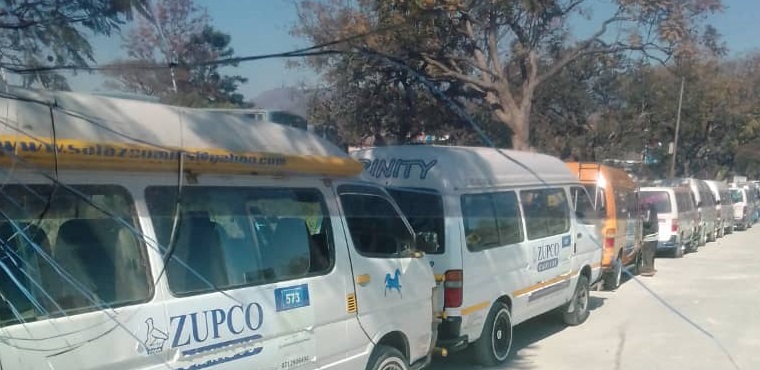
Kombi business in Zimbabwe
Understanding the Kombi Business Landscape in Zimbabwe
Starting a kombi business involves knowing how demand works, rules set by the government, and which routes bring the most passengers. These details help entrepreneurs plan their operations and investments wisely.
Market Demand and Opportunities
Kombis serve as a main mode of transport for many Zimbabweans, especially in urban and peri-urban areas. The demand is steady because buses and taxis often do not cover all routes or are more expensive. People rely on kombis for daily commutes to work, school, and markets. Although InDrive is gaining traction in Harare and Bulawayo, kombis still dominate the transport industry for local routes.
The business offers opportunities because of Zimbabwe’s growing population and limited public transport alternatives. However, passenger numbers can vary by time of day and economic conditions. Entrepreneurs should consider starting with a few vehicles to match demand levels before expanding.
Marketing inside kombis, such as placing adverts on windows or seats, can add extra income. Collaborating with kombi owners on busy routes often helps increase business visibility and passenger trust.
Regulatory Environment of the kombi business
Kombi operations in Zimbabwe are controlled by local transport authorities and require several permits. Operators must register vehicles, obtain roadworthy certificates, and comply with safety regulations. These rules keep passengers safe and ensure vehicles meet standards.
Additionally, kombi owners and operators must follow set routes and fare prices. The Zimbabwean government and associations work together to manage the transport sector. There are talks about introducing funding schemes to help kombi owners upgrade to formal buses, aiming to improve service quality.
Failure to comply with regulations can lead to fines or impounding of vehicles, making it essential to stay updated on local laws and licensing processes.
REQUIREMENTS FOR KOMBIS TO OPERATE IN CITY OF HARARE
City of Harare wishes to inform kombi operators that the following are the documents required for them to register and operate in Harare
1. Registration Book – obtainable from the Central Vehicle Registry of Zimbabwe (CVR)
2. Valid Certificate of Fitness 3 – obtainable from the Vehicle Inspection Department
3.Operators Licence
4. Valid Motor Vehicle Insurance
5. Valid Passenger Insurance 6. Proof of payment from City of Harare for Route Authority Letter
7. The operator shall submit the Authority letter obtained above to the Ministry of Transport where the Operator is issued with a Route Authority Permit
8.The operator shall submit the Authority Letter and Route Authority/ Permit to City of Harare Finance Department to be issued with a Rank Disk
9. The operator shall always display the Authority Letter, Route Authority and Rank Disk in his/her vehicle at all times
10. The Operator shall adhere to the Rank and route given on the permits
Common Routes and Destinations
Popular kombi routes connect suburbs to main business centres, schools, and markets. For example, in Harare, routes linking the outskirts like Mabvuku specifically Gazebo and Chitungwiza to the city centre see heavy passenger flow during peak hours.
Routes vary between cities and rural areas but typically focus on places where larger buses run less frequently. Operators often choose routes based on passenger demand, traffic conditions, and competition.
Familiarity with common destinations helps in planning schedules and vehicle dispatching. It also allows operators to build relationships with kombi owners and users on those routes, improving reliability and profits. For more on route planning, see starting a minibus/kombi transport business in Zimbabwe.
Legal Requirements and Licensing
Starting a kombi business in Zimbabwe involves following specific legal steps to operate legally and safely. Key requirements include registering the business, securing the necessary permits and licenses, and adhering to passenger pooling rules designed to manage transport operations.
Registering Your kombi Business
Before operating, the kombi business must be officially registered with the Registrar of Companies. This involves choosing a business name, getting it approved and registering your with the Zimbabwe Registrar of Companies. Registration provides the business with a legal identity.
Get in touch with us for Company Registration, Tax Clearance , Bookkeeping and Digital Marketing of your business. Call or WhatsApp : +263716196475 | +263777069078
The kombi business must also be registered for tax purposes with the Zimbabwe Revenue Authority (ZIMRA). Getting a tax clearance certificate is important for compliance. Registration as a sole proprietor, partnership, or company depends on the business size and structure.
Passenger Pooling Regulations
Passenger pooling rules regulate how kombi drivers pick up and drop off passengers. Drivers must operate within assigned routes and must not overload vehicles beyond the legal passenger limit.
Daily targets and monitoring of mileage help manage efficiency and compliance. City council authorities in Zimbabwe often require that kombis park in designated parking bays areas when off duty to avoid unauthorized operations.
Adhering to these rules helps maintain safety and order on Zimbabwe’s roads for kombi operators and passengers alike.
For more detailed steps on permits and licensing, visit starting a minibus/kombi transport business in Zimbabwe.
Choosing and Sourcing Kombi Vehicles
Choosing the right kombi and knowing where to get it are vital steps for anyone starting this business. The vehicle’s condition, type, and origin affect costs and operations. Ensuring the kombi is safe and fits local rules is equally important.
Selecting the Right kombi
The preferred kombi often has an 18-seater capacity. Most buyers in Zimbabwwe will purchase their kombi on Beforward or SBT but without seats. They then go to areas like Gazaland in Harare and get the seats installed by experts in upholstery. Choosing the kombi model is another key factor to consider. Toyota models, especially with diesel engines, are popular for their fuel efficiency and durability. A diesel engine reduces running costs compared to petrol models.
Key factors to consider when purchasing a kombi:
- Engine type: Diesel is more durable and cheaper on fuel.
- Seating capacity: 15 to 18 seats, depending on local demand.
- Brand reputation: Toyota kombis are trusted for reliability.
- Maintenance ease: Choose models with accessible spare parts.
A well-maintained vehicle with a strong engine minimizes downtime and boosts profitability.
Importing Versus Local Purchase
Buying a kombi locally allows faster starting since paperwork and initial inspections are often handled locally. However, prices might be higher due to taxes on importing kombis and fewer options.
Importing kombis can offer better prices but requires more steps. Importers must deal with clearance fees, customs, and transport time. Ensuring the vehicle meets Zimbabwe’s road and import regulations is essential.
Comparison table:
| Factor | Local Purchase | Importing |
|---|---|---|
| Vehicle options | Limited | More variety |
| Initial cost | Higher | Often lower, plus import fees |
| Time to start | Short | Longer due to shipping and clearance |
| Paperwork complexity | Simple | Complex with customs and taxes |
Ensuring Roadworthiness
Before operating, the kombi must pass inspections to prove it is roadworthy. This includes checking brakes, tires, engine condition, and lights.
Key documents include:
- Vehicle license
- Operator’s license
- Route authority
Keeping the kombi in good condition reduces risks of accidents and fines. Regular servicing is necessary to maintain safety and comply with transport laws.
Financial Planning and Investment
Starting a kombi business requires clear planning about how much money is needed and how it will be spent. Knowing the startup funds, daily costs, and expected income helps the owner manage the business well from the start.
Startup Capital and Funding Options
The initial capital for a kombi business in Zimbabwe mainly covers the purchase of one or more vehicles. Depending on the model and condition, a used kombi can cost anywhere from $7,000 to $15,000. Additional funds are needed for licensing, insurance, and vehicle maintenance.
Funding can come from personal savings, loans from banks or microfinance institutions, or family and friends. Some business owners might also seek government grants or support from local investment programs. Careful budgeting is essential to avoid running out of money during the early months of operation.
Operational Costs Breakdown
Daily running costs include fuel, vehicle maintenance, driver salaries, and license fees. Fuel prices fluctuate but make up a large part of the expenses, often around 30-40% of total costs.
Maintenance is also crucial to avoid breakdowns that reduce income. Regular servicing, tire replacements, and repairs should be included in the budget. Paying the driver or conductor and handling passenger permits are other ongoing costs that must be managed carefully.
Remember to record all the costs of the kombi to see the profitability of the business. Check accounting softwares like Zoho Books, Quickbooks or Odoo.
Revenue Projections for the kombi business
Income depends on the number of passengers and daily trips. Kombi owners can estimate revenue by multiplying the average number of passengers by the fare and the number of trips per day.
For example:
- Average fare: $0.50 for local trips during off-peak hours and $1 during peak hours.
- Passengers per trip: 15-18
- Trips per day: 6-8 (to and from)
Starting with a detailed financial plan supports smoother business growth and clearer decisions. For more detailed financial planning, reviewing a comprehensive business plan for kombi transport in Zimbabwe can be helpful.
Recruiting and Managing Staff
Staff recruitment and management in a kombi business requires careful selection, clear roles, and ongoing training. Proper hiring and supervision ensure smooth daily operations and good customer service.
Hiring Qualified Drivers
Drivers must have valid Zimbabwean driving licenses, preferably with experience in commercial transport. They should have clean driving records and knowledge of local routes to maintain safety and punctuality.
Employers should verify licenses through official channels and conduct interviews focused on driving skills and customer interaction. Background checks reduce risks related to theft or misconduct.
It’s important to clearly outline duties and expectations in writing. Drivers should understand their schedule, vehicle maintenance responsibilities, and passenger handling rules.
Conductors and Support Staff for a kombi business
Conductors help with collecting fares, guiding passengers, and managing boarding and alighting safely. They should be reliable, polite, and able to handle customer concerns efficiently.
Support staff may also include mechanics or cleaners, depending on the size of the business. Employing part-time or contract workers can reduce costs.
Recruiters should advertise roles clearly, focusing on communication skills and trustworthiness. Interviews and basic background checks are recommended to ensure fit.
Training and Safety Compliance
All staff must undergo training in customer service, route navigation, and emergency procedures. This reduces accidents and enhances the passenger experience.
Regular safety meetings and checks of kombi vehicles help maintain legal compliance under Zimbabwean transport laws. Employees should be aware of health and safety standards.
Training sessions can include role-playing for conflict resolution and practical sessions on vehicle inspection. Documentation of training improves accountability.
For more detailed steps on starting a kombi business, see the starting a minibus/kombi transport business in Zimbabwe and the business plan.
Marketing Strategies for Growth
Building a successful kombi business requires focusing on attracting passengers, earning a good reputation on busy routes, and using digital tools to reach more customers. Each of these steps helps the business grow steadily and stay competitive.
Attracting Passengers
To attract passengers, drivers and owners should focus on offering reliable and timely services. Clear schedules and frequent trips on popular routes encourage regular use. Pricing must be competitive but still cover costs.
Offering safety measures, such as clean vehicles and following traffic rules, helps build trust. Friendly customer service also encourages passengers to choose their kombi over others.
Using local advertising like flyers or posting timetables at busy spots can draw attention. Word of mouth is powerful, so providing good service is key to getting passengers to recommend the business.
Establishing Route Reputation
A strong reputation begins by consistently serving key routes where demand is high. Kombi operators should learn which stops have the most passengers and ensure those areas are covered well.
Punctuality plays a big role. For example, kombis that run on time earn repeat customers and positive reviews. Drivers who know their routes fully can avoid delays and improve service.
Community relations also matter. Getting to know regular passengers and listening to their feedback helps the business stay relevant. Reliability on a route builds long-term trust, growing the kombi’s reputation.
Leveraging Digital Platforms
Using social media platforms like Facebook and WhatsApp is valuable for kombi businesses in Zimbabwe. These tools allow operators to share schedules, announce changes, and communicate directly with customers. A case in point is that of Pamushana Africa Group which is into the kombi business and they have an active Facebook page.
Digital marketing helps widen reach without high costs. Posting attractive offers or updates frequently keeps passengers informed and interested.
SMS marketing can send quick alerts or reminders to passengers. Many Zimbabweans use mobile phones daily, so text messages can be an effective way to keep customers coming back.
For more ideas on marketing small businesses in Zimbabwe, visit 5 marketing strategies for small businesses in Zimbabwe.
Operational Challenges and Risk Management
Managing a kombi business involves facing strong competition, keeping vehicles in good condition, and handling insurance properly. These areas require careful attention to reduce risks and keep the business running smoothly.
Dealing with Competition
The kombi transport sector in Zimbabwe is highly competitive, with many operators running similar routes. To stay ahead, operators must choose routes wisely, focusing on those with steady demand and less congestion.
Pricing must be competitive but still cover costs and generate profit. Offering reliable schedules and good customer service can also attract and keep passengers.
Understanding competitor strengths and weaknesses helps in adjusting services. Operators should monitor market changes regularly and be ready to adapt quickly. Building strong relationships with local communities can improve loyalty and reduce risks from rivals.
Vehicle Maintenance and Downtime
Vehicles must be maintained regularly to avoid breakdowns that cause delays and loss of income. Scheduled check-ups should include engine, brakes, tires, and lights.
Downtime directly affects revenue, so having backup plans like spare vehicles or quick repair services is critical. Keeping maintenance records helps identify patterns and plan replacements.
Operators should train drivers on proper vehicle use to avoid unnecessary damage. Budgeting for repairs and parts prevents surprises that can harm cash flow.
Insurance and Liability
Insurance is key to protecting the business from financial losses due to accidents, theft, or damages. Kombi owners should invest in comprehensive policies covering vehicles, passengers, and third-party liabilities.
Clear contracts and safety policies reduce legal risks. Operators must ensure drivers hold valid licenses and follow traffic laws strictly.
Prompt handling of claims and legal issues protects the business reputation. Regular review of insurance coverage ensures it matches the changing size or nature of the fleet.
Frequently Asked Questions
Starting a kombi business in Zimbabwe requires understanding specific legal rules, costs, and planning steps. Profitable market opportunities and good marketing tactics also play key roles. Navigating the regulatory environment carefully is essential for success.
What are the legal requirements for starting a passenger transportation business in Zimbabwe?
Operators need an official license to run a kombi business. This includes an operator’s license, route permits, and passenger insurance. Vehicles must meet safety standards and have valid roadworthy certificates. Compliance with local and national transport regulations is mandatory.
What are the initial capital and operational costs associated with launching a kombi business?
Initial costs include buying or leasing a kombi vehicle and securing all required permits. Operational costs cover fuel, maintenance, driver salaries, and insurance. Daily financial targets help manage mileage and ensure consistent income.
What are the most profitable niches within the transportation sector in Zimbabwe?
Public transport kombis on busy city routes often generate steady income. Specialized services like airport shuttles or school transport can also be profitable. Identifying high-demand areas helps increase earnings.
How can entrepreneurs navigate the regulatory environment for transportation businesses in Zimbabwe?
They must stay updated on laws and maintain all necessary permits. Working closely with local transport authorities eases compliance. Proper record keeping and monitoring of vehicle conditions avoid penalties.
What strategies are effective for marketing a new kombi service in Zimbabwe?
Clear communication of routes and schedules attracts regular passengers. Offering reliable, safe, and affordable service builds trust. Engaging in local community groups and using word-of-mouth help grow the customer base.
More detailed advice can be found on how to start a kombi business in Zimbabwe through online discussions and guides.