FBC bank is one of the most professional and sought after banks in Zimbabwe. With its widespread branch network coupled with strong digital platforms like Internet banking and mobile apps, FBC is one of the banks we highly recommend opening an account with. Here are the requirements to open a company bank account with FBC. Here is a detailed guide on How to open a company bank account with FBC bank.
When to open a bank account as a company?
After registering your company, the next important task is opening a corporate bank account to keep your personal and business finances separate. Here are the company registration requirements once again:
1. Five proposed Company names in order of priority.
2. Company objective: eg mining or construction.
3. ID cards for Company Directors
4. Physical Addresses for the directors.
5. DOB for each director.
6. Company physical address
7. Company email address.
NB: if you don’t have Company physical or email addresses, we can use your personal addresses.
Call or WhatsApp us: +263716196475 | +263777069078
You can fill in the form by clicking on: https://companyregzim.co.zw/register-now/?v=31645929703e
FBC Bank account opening requirements
Opening a corporate or individual account with FBC bank is quite straightforward.
-Certificate Of incorporation
-Memorandum and Articles of Association
-CR6 form
-CR 14 / CrR5 form
-Director’s and signatories document*
-Copy of ID / valid passport
-Proof of residence in your name / letter from employer or a utility bill from ZESA ( must be within the last 3 months)
-Passport photos x 2
-Constitution( for cooperatives /societies groups n clubs
Company Registration , Tax Clearance Certificates , Vendor Number, PRAZ Regsitration – Call or WhatsApp +263777069078 | +263716196475 | info@companyregzim.co.zw
How to open a company bank account with FBC bank
Once you have all the above requirements, visit any of your nearest FBC bank to open an account. We always urge you to have a checklist of the key requirements so as not to miss any important requirement. The requirements to open a company bank account with FBC are almost the same with opening a company account with the other banks. The only difference lies in that FBC requires a constitution for Cooperatives.
Remember, opening a company bank account is one of the crucial step in formalising your business. Why not get the assistance of qualified professionals to prepare all the required documents for you?
Call or WhatsApp us: +263716196475 | +263777069078 | info@companyregzim.co.zw
Starting a construction company in Zimbabwe requires careful planning and understanding of both the industry and the local business environment. The construction sector is growing rapidly, making it a strong opportunity for entrepreneurs willing to navigate the necessary steps. The key to success is registering the company properly. The key question remains: how to register a construction in Zimbabwe? This write up will guide you on how to register a construction company, obtaining the required permits, securing funding, and ensuring compliance with local regulations.
Beyond registration, new business owners must focus on building a reliable team and forming partnerships that can help secure contracts. Managing costs and maintaining good relationships with clients and authorities are also essential parts of running a construction company. With the right approach, it is possible to build a sustainable business in Zimbabwe’s expanding construction market.
Key Takeways
Understanding local regulations and registering the company is essential.
Securing adequate funding and planning finances affects success.
Building a skilled team and maintaining compliance supports growth.
Understanding the Construction Industry in Zimbabwe
The construction industry in Zimbabwe is marked by significant growth potential mixed with challenges that require careful planning. Business types vary from small residential projects to large commercial and infrastructure developments. Legal rules govern how companies form and operate to ensure proper compliance.
Industry Opportunities and Challenges
Zimbabwe’s construction sector has seen growth rates around 30% recently, driven by demand for housing, roads, and commercial buildings. This growth offers entrepreneurs many chances to enter the market and scale their businesses.
However, challenges remain. Companies face high startup costs and strict regulations. Economic instability and fluctuating material prices can make budgeting difficult. Skilled labour shortages also impact project timelines.
Success requires strategic planning to manage risks and seize opportunities in a competitive environment.
Types of Construction Businesses
Construction businesses in Zimbabwe cover various types. These include:
Residential building: Houses and apartment complexes
Commercial construction: Offices, shops, and warehouses
Civil engineering: Roads, bridges, and public infrastructure
Specialized trades: Plumbing, electrical, and roofing services
Many startups begin with smaller residential or trade projects to build experience and capital before moving into larger work. Others start with sub-contracted work.
Choosing the right business type depends on resources, skills, and market demand. Diversification can help reduce risks.
Legal Framework and Regulations
Registering a construction company in Zimbabwe requires careful adherence to legal steps. Entrepreneurs must reserve a unique company name with the Registrar of Companies.
Business licenses and permits are essential before starting work, including tax registration. Companies must meet health and safety standards and follow building codes.
Compliance ensures smooth operations and avoids legal penalties.
Registering a Construction Company
Registering a construction company in Zimbabwe requires following specific legal steps to make the business official and compliant. These steps include selecting the right company type, securing a unique company name, and submitting all required documents with the right fees.
A Private Limited Companylimits the owners’ liability to their share capital. It can have multiple shareholders and is suitable for businesses planning to grow or invite investors. A Private Business Corporation is simpler and usually fits smaller businesses owned by fewer people.
Choosing the right structure affects taxation, liability, and future business opportunities. It is important to consider the company’s size, funding needs, and management before deciding.
Company Registration , Tax Clearance Certificates , Vendor Number, PRAZ Regsitration – Call or WhatsApp +263777069078 | +263716196475 | info@companyregzim.co.zw
Company Name Search and Reservation
Before registering a company, the proposed company name must be unique and not match any existing registered names. The name search is done through the Registrar of Companies in Zimbabwe.
The applicant submits a request online or at the Registrar’s office to check if the name is available. Once approved, the name is reserved for a limited time, typically 30 days. This step is crucial to avoid delays during company registration.
The name should clearly represent the business and comply with naming rules that prohibit offensive or identical names.
Requirements to register a construction company
Registering a construction company requires several key requirements:
1. Five proposed Company names in order of priority.
Nb: if you don’t have Company physical or email addresses,we can use your personal addresses.
The company secretary must be at least 18 years old and a resident of Zimbabwe.
A budget of $150 for a Private Limited company if you register the company with us.
Securing Funding and Financial Planning
Once you have registered your company, it will be time to secure funding. Starting a construction company requires careful attention to funding and managing money. It is important to identify reliable sources of startup capital, allocate funds wisely for equipment and operations, and set up proper banking and tax systems early on. These steps help prevent cash flow issues and keep the business compliant.
Startup Capital Sources
Funding a construction company often starts with savings or support from family and friends. Entrepreneurs can also seek bank loans, but these require strong business plans, collateral, and good credit. Microfinance institutions offer smaller loans with easier terms for those without assets.
Grants and government programs sometimes provide funds for small business startups. Angel investors or venture capital are less common but possible for businesses with high growth potential. Crowdfunding may also be an option for specific projects. Building relationships with suppliers can allow trade credit, easing cash flow in early stages.
Budgeting for Equipment and Operations
Equipment costs form a significant part of startup expenses. It is essential to list all necessary machinery and tools, then research prices and maintenance costs. Renting equipment can reduce initial expenses compared to buying.
Operational costs include salaries, permits, insurance, materials, and transport. Creating a monthly budget helps track these expenses and plan for seasonal slow periods. Regular cash flow monitoring is vital to avoid shortages and maintain timely payments to workers and suppliers.
Company Registration , Tax Clearance Certificates , Vendor Number, PRAZ Regsitration – Call or WhatsApp +263777069078 | +263716196475 | info@companyregzim.co.zw
Bank Accounts and Tax Compliance
Opening a dedicated business bank account separates personal and company finances, enabling clearer records. Choosing a reliable bank with SME services can ease cash management and loan applications.
Registering the company with Zimbabwe Revenue Authority and following tax laws is mandatory. This includes filing VAT, income tax, and paying any required levies. Proper bookkeeping and possibly hiring an accountant ensures compliance, preventing legal issues or fines that could harm the company’s reputation and finances.
How to register a construction company in Zimbabwe
Operational Requirements and Compliance
Starting a construction company in Zimbabwe means meeting specific legal and operational standards. These include obtaining the right permits, securing insurance, and following strict safety rules on the job site.
Licenses and Permits
A construction company must obtain a building permit from the local Municipal Council before starting any project. This permit ensures the company complies with the Building Regulations and Standards Act.
Environmental permits may be needed if construction impacts the surrounding area. These come from the Environmental Management Agency (EMA). Local business licenses and zoning permits from municipal authorities might also apply depending on the project’s location.
Insurance Obligations
Construction firms must carry insurance to cover risks related to their operations. This includes public liability insurance to protect against damages or injuries affecting third parties during construction.
Workers’ compensation insurance is required to cover employees in case of accidents. This aligns with regulations under the National Social Security Authority (NSSA).
Insurance protects the company from costly lawsuits and ensures compliance with labour laws. It is important that the insurance policies match the size and risk level of each project.
Company Registration , Tax Clearance Certificates , Vendor Number, PRAZ Regsitration – Call or WhatsApp +263777069078 | +263716196475 | info@companyregzim.co.zw
Health and Safety Standards
Health and safety regulations must be strictly followed on construction sites. The company needs to comply with standards set by the Ministry of Health and Child Care and local municipal health authorities.
Workers should receive training on safe handling of equipment and materials. Protective gear like helmets, gloves, and boots is mandatory.
Regular health inspections by government officials ensure ongoing compliance. The company must also have emergency plans and first-aid measures in place to handle accidents quickly and effectively.
Building Your Team and Expanding Capabilities
Building a strong team is essential for success in Zimbabwe’s construction market. It requires finding skilled workers and creating partnerships that increase capacity and reach. These steps help a business take on bigger projects and improve quality.
Recruiting Skilled Professionals
Hiring qualified staff is a top priority. The company should look for workers with experience in relevant trades, such as carpentry, plumbing, and project management. Advertisements on job boards and social media platforms like LinkedIn can attract talent.
Networking through local trade schools and apprenticeship programs is useful. This approach connects the company with fresh, eager workers and allows training to fit the company’s specific needs.
Offering clear career paths, competitive pay, and safety training helps keep employees motivated. Good onboarding and regular communication also reduce early staff turnover, which can be high in construction.
Business Growth and Long-Term Success
Building a construction company in Zimbabwe requires careful steps to secure projects and stay relevant. Strong bidding skills and the ability to adjust to new market trends are key. Both help ensure steady work and keep the business competitive.
Bidding for Contracts and Tenders
Winning contracts depends on preparing clear, accurate bids that match client needs. Companies should research tender requirements closely and meet all deadlines. Including detailed cost estimates, timelines, and proof of past work builds trust.
Networking is essential. Developing good relationships with government agencies, private developers, and suppliers increases chances for contract invitations. It is also important to register with key industry bodies and maintain proper business licenses.
Many Zimbabwean clients prefer local firms with a strong track record. Providing competitive pricing without cutting corners often leads to repeat business and referrals. Staying transparent during bidding helps avoid disputes later.
The construction market in Zimbabwe is changing fast, shaped by urban growth and new technology. Successful companies monitor housing demand, infrastructure projects, and government policies.
Using digital tools like construction management software improves project efficiency. Marketing through online channels raises visibility and connects with customers.
Shifting towards eco-friendly materials or energy-efficient designs can open new business opportunities. Adapting to these trends requires willingness to invest in staff training and equipment upgrades.
Being flexible with services and project types allows companies to tap into different sectors, such as commercial or residential construction, ensuring steady growth.
Frequently Asked Questions
Starting a construction company in Zimbabwe requires understanding the registration process, legal rules, and necessary documents. Knowing how to interact with the Registrar of Companies and where to find information on existing companies is also important.
What are the steps for registering a new construction company in Zimbabwe?
The first step is to reserve a unique company name with the Registrar of Companies. Then, draft and submit the company’s Memorandum of Association and Articles of Association. After this, register the company by submitting all documents and paying the required fees.
What legal requirements must be met to start a construction business in Zimbabwe?
The business must comply with tax laws and local construction regulations. A company secretary who is at least 16 years old and a resident of Zimbabwe is required. The company must also maintain proper accounting records and obtain any necessary building permits or licenses.
How can I contact the Registrar of Companies in Zimbabwe for construction company registration?
The Registrar of Companies can be contacted through their official office or website. Physical visits to their office are common, but they also offer support by phone and email for name reservations and registration procedures.
What documents are needed to register a construction company in Zimbabwe?
Required documents include the company name reservation form, Memorandum of Association, Articles of Association, identification for directors and shareholders, and proof of payment of registration fees. A signed Mandate Agreement for legal representation may also be required.
Can company registration in Zimbabwe be completed online, and if so, how?
Yes, some parts of the registration, like name reservation and document submission, can be done online via the Registrar’s website. However, certain steps may still require physical submission or verification at the Registrar’s office.
Where can I obtain a list of the already registered construction companies in Zimbabwe?
Lists of registered companies are available through the Registrar of Companies. These can be accessed online or by request at their office. This helps in choosing a unique company name and checking competitors.
How much to build a 3-bedroom house in Zimbabwe?
The cost of construction in Zimbabwe varies significantly based on location (urban vs. rural) and the quality of finishes (basic vs. high-end).
1. Average Cost Per Square Meter (sqm)
Basic Finishes: US$80 to US$150 per square meter.
High-End Finishes: US$200 to US$300+ per square meter.
2. Estimated Total Costs by House Size
These figures exclude the cost of land/stand purchase.
House Size
Approximate Size (sqm)
Basic Finishes (Estimate)
High-End Finishes (Estimate)
3-Bedroom House
150 sqm
US$12,000 – US$22,500
US$30,000 – US$45,000
4-Bedroom House
200 sqm
US$16,000 – US$30,000
US$40,000 – US$60,000
Luxury 5-Bedroom House
300 sqm
N/A
US$60,000 – US$90,000+
Note on Luxury Builds: A large, luxury 5-bedroom house with premium finishes and additions like a swimming pool in an upscale Harare suburb could easily cost upwards of US$100,000.
3. Specific Material and Project Costs
Bricks (Per 1,000):
Common/Farm Bricks: US$90 – US$1200
Conclusion
There you have it! A construction company is one of the easy-to-set-up yet profitable ventures one can start in Zimbabwe. Register your business, pay the respective taxes, set up your team, and start building Zimbabwe’s future! Wishing you all the best in your construction venture.
Zimbabwe, a land of stunning landscapes, rich history, and resilient people, is a country that often surprises visitors. Whether you’re a curious traveller, a student, or a business professional, understanding the key facts about Zimbabwe is the first step to appreciating its unique character.
Let’s dive into the essential information that defines this remarkable nation.
Currency: Zimbabwe Gold (ZiG) and US Dollar (multi-currency system as of October 2025)
Time Zone: Central Africa Time (UTC+2)
Deep Dive into Zimbabwe’s Identity
Geography and Landscape
Zimbabwe is a landlocked country in Southern Africa, sitting on a high plateau. This geography gifts it with a moderate climate and diverse scenery. The country is famous for the majestic Victoria Falls, one of the largest and most spectacular waterfalls in the world, known locally as “Mosi-oa-Tunya” or “The Smoke That Thunders.”
Other major urban centres include Harare (which is the capital city), Bulawayo, Mutare, Gweru, and the resort town of Victoria Falls itself.
Economy and Development in ZImbabwe
Zimbabwe’s economy is on a path of growth and transformation.
GDP Growth: The economy grew by an estimated 5% in 2023.
Key Sectors: The labour force is primarily engaged in agriculture (53%), followed by services (34%)and industry (14%). This highlights the country’s strong agricultural base alongside a growing service sector but a declining industry.
Zimbabweans are known for their warmth and hospitality. The population is young and growing, with a growth rate of 1.6% and a forecast to reach over 21 million by 2035.
The culture is a vibrant tapestry woven from the traditions of the Shona and Ndebele people, reflected in its world-renowned stone sculpture, traditional music like the Mbira, and dynamic dance.
A Glimpse into History and Heritage
Zimbabwe’s name is derived from “Great Zimbabwe,” the ancient stone ruins of a powerful kingdom that flourished between the 11th and 15th centuries. “Zimbabwe” means “Great Houses of Stone” in the Shona language, a testament to this incredible architectural achievement, which is now a UNESCO World Heritage Site.
The country gained independence from British colonial rule on April 18, 1980, a day celebrated annually as Independence Day.
Frequently Asked Questions About Zimbabwe
What is the main facts about Zimbabwe?
Zimbabwe is most famous for the Victoria Falls, the ancient ruins of Great Zimbabwe, and its legacy of producing some of Africa’s finest sculptors. It’s also known for its diverse wildlife and national parks, like Hwange National Park.
What languages are spoken in Zimbabwe?
While English is the official language used in business and government, the most widely spoken native languages are Shona and Ndebele.
What is the current currency of Zimbabwe?
As of 2024, the official currency is the Zimbabwe Gold (ZiG). The US Dollar and other foreign currencies are also widely used in everyday transactions.
Is Zimbabwe a good place to visit?
Absolutely. Zimbabwe is a premier African safari destination. Beyond its incredible wildlife and the breathtaking Victoria Falls, visitors are welcomed by friendly locals and have opportunities for adventure activities like white-water rafting on the Zambezi River.
Conclusion
From the mist of Victoria Falls to the silent stones of Great Zimbabwe, this is a country of profound beauty and depth. These facts about Zimbabwe only scratch the surface of what it has to offer. Its growing economy, rich cultural heritage, and optimistic population make it a truly unique and fascinating nation on the African continent.
Starting a coffee shop business in Zimbabwe involves identifying a demand for everyday items like coffee, tea, and snacks and providing a clear value to your customers. The key to success is offering a quality product combined with a convenient and inviting atmosphere that meets local preferences. Understanding your market and preparing to meet regulatory requirements are essential steps to get your business off the ground.
Market Research and Opportunity Assessment
Before opening a coffee shop in Zimbabwe, you must understand the specific demands of your market. This involves knowing who your customers are, the competition you face, current consumption habits, and choosing the most strategic location for your business.
Identifying Target Customers in Zimbabwe
Your primary customers will likely include urban working professionals, students, and middle-income households who consume coffee and tea regularly. Zimbabweans often combine these drinks with snacks, so consider preferences for local flavours.
Demographics such as age, income, and lifestyle influence buying decisions. Young adults tend to favour specialty coffee and café experiences, while older consumers might prefer traditional brews.
Conduct surveys or informal interviews locally to gauge preferences. This helps tailor your menu and marketing. Remember, convenience and affordability are key factors in customer choice within this market.
Analyzing Local Competition
Evaluate existing coffee shops in your area. Note their pricing, menu variety, customer service, and marketing approaches.
List direct competitors and their strengths and weaknesses. For example:
Competitor Name
Pricing
Offerings
Strengths
Weaknesses
Café A
Medium
Coffee, snacks
Strong brand, location
Limited menu variety
Shop B
Low
Coffee only
Affordable pricing
Poor ambiance
This analysis reveals gaps you can fill, such as introducing unique beverages, better ambiance, or loyalty programs.
Evaluating Coffee Consumption Trends
Coffee consumption in Zimbabwe is growing, especially in urban centers like Harare and Bulawayo. Many consumers favor a mix of local and international coffee styles.
Tea remains popular and often competes with coffee for customer attention. Offering both can increase your appeal.
Monitor seasonal patterns and economic factors affecting disposable income, which influence sales volume. Keeping updated with these trends helps you adapt your offerings and pricing accordingly.
Selecting the Best Location
Location impacts foot traffic and sales volume directly. Prioritize high-visibility areas near offices, universities, or shopping centers like Highlands Park or gated communities like Aspindale Park or Arlington with steady pedestrian flow.Consider accessibility, parking availability, and safety. A spot inside a busy commercial district might command higher rent but attract more customers. All these are key success factors for your offee business.
Company Registration
Starting a coffee shop in Zimbabwe requires careful preparation in planning your business and meeting legal standards. You will need to map out your business model, choose a legal structure, registering for tax with the Zimbabwe Revenue Authority (ZIMRA) , getting an operating license from your local council and comply with government regulations to operate legally.
Developing a Coffee Shop Business Plan
Your business plan should include a clear description of your coffee shop’s concept, target market, and location. Specify the types of coffee and snacks you will offer and how you will price them competitively. Outline your marketing strategy for attracting customers in your chosen area.
Financial projections are essential. Estimate your start-up costs, ongoing expenses, and expected revenue. Include details about equipment, staff salaries, rent, utilities, and initial inventory. Define short-term and long-term goals. This plan will guide your decisions and help secure funding if needed.
Check on food handling certifications for you and your staff. Failure to meet these legal requirements can result in fines or closure.These steps ensure your coffee shop operates legally from day one.
Company Registration , Tax Clearance Certificates , Vendor Number, PRAZ Registration – Call or WhatsApp +263777069078 | +263716196475 | info@companyregzim.co.zw
Financing Your Coffee Shop
Starting a coffee shop in Zimbabwe requires clear understanding of your financial needs and options. You must assess the initial expenditures, identify viable funding sources, and create a detailed budget to manage your resources effectively.
Estimating Startup Costs
To begin, list all essential expenses like equipment, rent, renovations, inventory, and licenses. Equipment such as coffee machines and grinders can be costly, often accounting for 30-40% of initial costs. Rent varies widely by location, but prime spots generally demand higher fees.
Factor in staff salaries and initial marketing costs. Don’t overlook permits and utility setup fees. Keep a buffer for unexpected expenses, usually 10-15% above your estimated costs.
Use a simple table to track your estimates:
Expense Category
Estimated Cost (USD)
Equipment
1,500
Rent (3 months)
900
Renovations
700
Inventory
400
Staff Salaries
600
Marketing
200
Permits/Utilities
150
Contingency (15%)
600
This framework helps you understand the minimum funds required to launch.
Funding Sources in Zimbabwe
In Zimbabwe, funding your coffee shop can come from several places. Personal savings and family support are common starting points. Many entrepreneurs also explore bank loans, but these require a solid business plan and good credit history.
Microfinance institutions offer smaller loans and may have more flexible terms. Crowdfunding is an emerging option if you have a compelling story or community support. Investors or partnerships can provide capital but expect shared control or profit.
Compare terms, interest rates, and repayment conditions before committing. A mix of sources often works best to balance risk and accessibility.
Financial Planning and Budgeting
Create a monthly budget that separates fixed and variable expenses. Fixed costs include rent and salaries, while variable costs cover inventory and utilities. This clarity helps you monitor cash flow and adjust spending when needed.
Maintain separate bank accounts for business and personal finances to track income and expenses accurately. Use financial softwares like Zoho books or Odoo to record transactions and generate reports.
Forecast revenue conservatively, especially in the first year. Plan for slow seasons and factor in reinvestment for growth and equipment maintenance.
Regularly review your budget against actual performance to spot discrepancies early. This discipline improves decision-making and helps you secure future funding if needed. A coffee shop business may go along with other related businesses like having an Ecocash ,Innbucks or OneMoney agent line.
Company Registration , Tax Clearance Certificates , Vendor Number, PRAZ Registration – Call or WhatsApp +263777069078 | +263716196475 | info@companyregzim.co.zw
Sourcing Equipment and Supplies
Securing the right ingredients and tools is essential to run a smooth coffee shop operation. You must identify dependable suppliers for your coffee beans, select equipment that suits your scale and menu, and consider sourcing options that balance quality, cost, and sustainability.
Selecting Reliable Coffee Suppliers
Your coffee beans define your product’s quality, so partner with suppliers who deliver consistency and freshness. Look for suppliers offering beans with traceable origins, preferably specializing in Zimbabwe or nearby regions. Request samples before committing.
Also, consider the supplier’s delivery reliability and payment terms. Establish clear agreements on quantities and schedules to avoid shortages. Cultivating good relationships with specialty roasters or local coffee farmers can provide you with unique blends and competitive pricing.
Ensure suppliers comply with any import or food safety regulations in Zimbabwe to avoid legal obstacles.
Choosing Equipment for a Coffee Shop
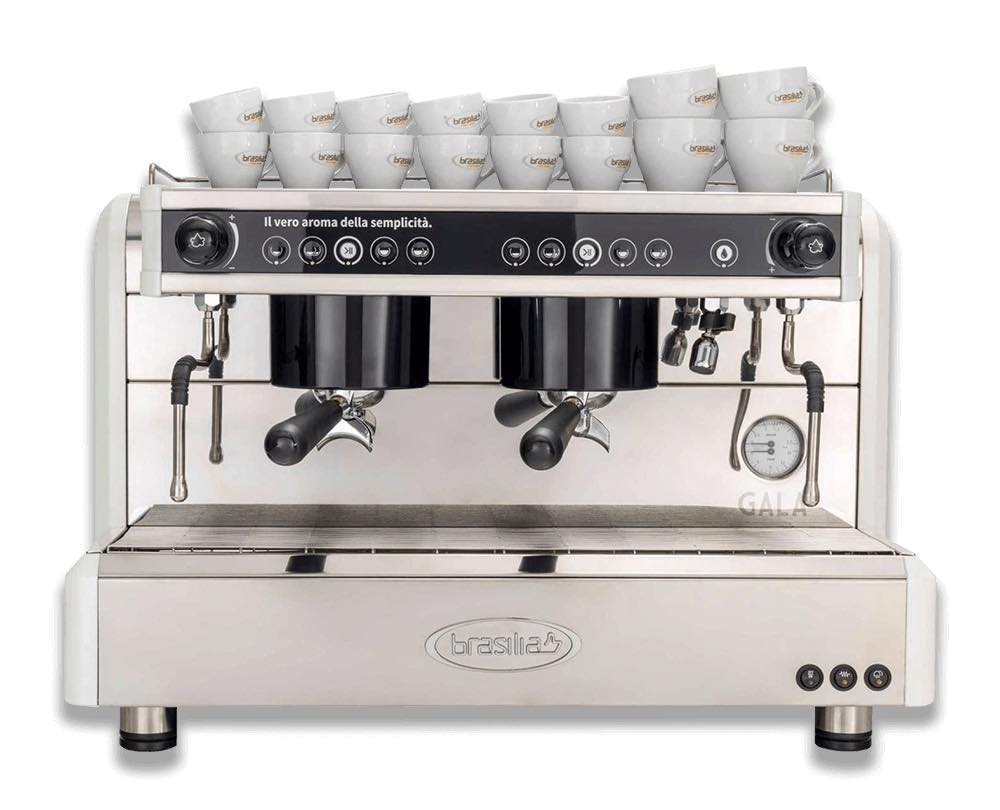
Start with essentials: a commercial espresso machine, grinders, brewers, and drip coffee makers. The quality and capacity of your equipment depend on expected customer volume.
Other necessary items include refrigerators, blenders, stoves, and sinks for hygiene. Invest in sturdy furnishings like chairs and tables, plus fixtures such as lighting and service counters. Prioritize equipment that is energy-efficient and easy to maintain; service and parts availability locally should influence your choices.
Create a checklist and budget before purchasing. Consider brands with established support networks in Zimbabwe to reduce downtime.
Coffee shop machine
Sustainable and Local Sourcing Options
Sourcing locally whenever possible reduces costs and supports Zimbabwean producers. Look for local suppliers of milk, sugar, and baked goods to keep your supply chain short and fresh.
Implement sustainable practices by choosing suppliers that use eco-friendly farming methods or packaging. Reusable or compostable cups and minimal plastic usage can enhance your shop’s appeal to environmentally conscious customers.
Explore partnerships with community farmers or cooperatives. This not only lowers expenses but also builds goodwill and differentiates your brand in the market.
Menu Development and Pricing
Developing your coffee shop menu requires careful selection of items that appeal to your target customers while considering cost efficiency. Pricing must balance affordability with profitability. You also need to include beverages that resonate with local tastes alongside unique specialty options.
Creating a Unique Menu
Your menu should reflect a mix of familiar and distinctive choices. Focus on quality coffee drinks and related snacks that fit local preferences. Include staple offerings like espresso, cappuccino, and tea, but add a few signature items that set your shop apart.
Use locally sourced ingredients where possible to improve freshness and reduce costs. Consider adding light snacks such as pastries, sandwiches, or traditional Zimbabwean treats. Keep the menu concise to maintain efficiency in preparation and inventory management.
Setting Competitive Prices
Pricing must cover costs and generate a reasonable profit margin, typically between 60-70%. Calculate the cost of ingredients, labor, rent, and utilities before setting menu prices. Take note of competitors’ pricing to remain competitive but avoid underpricing that erodes profit.
You can use tiered pricing to offer basic, premium, and specialty items at different price points. This approach attracts a broader customer base and maximizes revenue. Adjust prices gradually based on market response and operational costs.
Offering Local and Specialty Beverages
Include popular local beverages such as traditional Zimbabwean teas to connect with customers. Introducing specialty drinks like flavored lattes or cold brews can attract niche markets and differentiate your brand.
Offer seasonal or limited-time beverages to create interest and encourage repeat visits. Keep an eye on global coffee trends but tailor offerings to local tastes and ingredient availability to maintain authenticity and appeal.
Hiring and Training Staff
To build an effective team for your coffee shop, focus on clearly defining roles, using targeted recruitment methods, and providing thorough customer service training. These elements will ensure your staff can deliver quality service and maintain smooth daily operations.
Staff Roles and Responsibilities
Define specific roles such as baristas, cashiers, and supervisors. Baristas should master coffee preparation and equipment maintenance. Cashiers handle transactions and basic customer interaction. Supervisors oversee daily operations, manage schedules, and resolve issues.
Assign clear tasks to avoid confusion. For example, baristas focus on drink quality and hygiene, while supervisors handle inventory and staff coordination. This clarity improves efficiency and accountability in your coffee shop.
Recruitment Strategies
Look for candidates with relevant experience or a strong interest in coffee culture. Use local job boards, social media, and word-of-mouth to find talent. Interviews should assess both skills and attitude toward customer service.
Consider offering internships or trial shifts to evaluate candidates practically. Focus on soft skills like communication, punctuality, and reliability, which are crucial for a busy coffee environment.
Customer Service Training
Train your team in greeting customers warmly, understanding menu items, and handling complaints calmly. Role-playing scenarios help staff practice responses to various situations.
Incorporate basic product knowledge and upselling techniques. Consistent training on cleanliness, efficiency, and teamwork will enhance the customer experience and encourage repeat business.
Company Registration , Tax Clearance Certificates , Vendor Number, PRAZ Registration – Call or WhatsApp +263777069078 | +263716196475 | info@companyregzim.co.zw
Marketing Strategies for Coffee Shops
To grow your coffee shop in Zimbabwe, focus on creating a distinctive identity, leveraging online channels, and connecting with your local community. These elements will help attract customers and build loyalty in a competitive market.
Branding Your Coffee Shop
Your brand should clearly reflect what makes your coffee shop unique. Start by defining your Unique Selling Proposition (USP)—this could be specialty Zimbabwean coffee blends, sustainable sourcing, or a cozy atmosphere.
Design a memorable logo and consistent colour scheme that appeals to your target customers. Use signage and packaging that tell your story.
Be consistent across all touchpoints. This includes your shop’s interior design, online presence, and marketing materials. Consistent branding builds trust and helps customers recognize your business quickly.
Social Media Promotion
Social media is a cost-effective way to reach a broad audience. Create active profiles on platforms popular in Zimbabwe, like Facebook, Instagram, and WhatsApp.
Share photos and videos of your coffee, events, and behind-the-scenes moments. Use local hashtags and geo-tags to increase visibility.
Engage followers by running promotions, contests, or loyalty rewards exclusive to social media users. Respond quickly to comments and messages to build rapport.
Consider partnering with local influencers for wider reach. A well-maintained social presence drives foot traffic and strengthens customer relationships.
Community Engagement Initiatives
Embedding your coffee shop within the local community helps build loyal customers. Host events like coffee tastings or live music nights that reflect local culture.
Collaborate with nearby businesses for cross-promotion opportunities. Sponsor local initiatives or charities to boost your reputation and demonstrate commitment.
You can also create a customer loyalty program that rewards frequent visitors, encouraging repeat business.
Stay involved in community conversations to adjust your offers and service based on customer needs and preferences. This creates a meaningful connection beyond just selling coffee.
Operational Management
Managing your coffee shop daily requires efficient workflows, precise control over stock, and adherence to local health standards. These components help ensure smooth service, minimize waste, and keep customers safe.
Daily Operations and Workflow
You should design a clear workflow starting from opening to closing. Assign staff specific roles such as barista, cashier, and cleaner to avoid task overlap.
Establish routines including prepping coffee machines, grinding beans fresh each day, and regular equipment checks. Track peak hours and adjust staff shifts accordingly to maintain service speed.
Use a point-of-sale system to record transactions for accuracy and convenience. Keep communication channels open between front and back of house to resolve issues quickly.
Inventory Management
Track your stock of coffee beans, milk, sugar, and snacks accurately to prevent shortages or overbuying. Use a simple inventory system where you record usage daily and reorder based on minimum thresholds.
Plan orders with local or international suppliers to avoid delays. Store ingredients in appropriate conditions; for instance, coffee beans need airtight containers away from heat and moisture.
Monitor expiry dates especially for perishables like milk and baked goods. Regularly review sales data to identify fast-moving and slow-selling products and adjust purchasing accordingly.
Health and Safety Compliance
You must comply with Zimbabwe’s health regulations by securing necessary permits before operation. Train your staff on hygiene practices such as handwashing and proper food handling.
Maintain clean surfaces, equipment, and restrooms. Dispose of waste regularly to prevent pest infestations. The layout should allow safe movement and avoid contamination risks.
Regularly inspect and service electrical appliances to prevent hazards. Keep records of health inspections and any corrective actions taken to demonstrate compliance when required.
Scaling and Expanding Your Business
Growing your coffee shop in Zimbabwe requires strategic planning and careful execution. You need to evaluate which opportunities will bring sustainable growth, consider franchising carefully, and innovate with new products or services that meet your customers’ evolving needs and local preferences.
Assessing Growth Opportunities
Start by analyzing your current market position and operational capacity. Look for untapped customer segments, such as offices, universities, or shopping centers nearby. Use sales data and customer feedback to identify what drives demand and where you can scale efficiently.
Evaluate your financial readiness by reviewing cash flow, profit margins, and potential investment sources. Consider how expanding your space or opening a new outlet will impact your staff, supply chain, and customer service. Avoid expanding too fast, which can strain resources and reduce quality.
Franchising in Zimbabwe
Franchising can accelerate growth, but you must establish a solid, replicable business model first. Develop clear Standard Operating Procedures (SOPs) covering everything from quality control to customer service.
Legal requirements for franchising in Zimbabwe include registering your franchise, protecting your brand, and ensuring compliance with local business laws. Evaluate potential franchisees carefully to maintain your brand reputation and operational consistency. Training and ongoing support are crucial for franchise success.
Introducing New Products and Services
Diversify your offerings based on customer preferences and trends. You might add locally sourced snacks, seasonal drinks, or healthier menu options. Sustainability-focused items can attract environmentally conscious customers.
Consider introducing services like online ordering, delivery, or loyalty programs. Use customer data to tailor promotions and improve your marketing. Introducing new products or services gradually allows you to measure impact and adjust without overwhelming your operations.
Company directors, shareholders, and secretaries each play important roles in how a company is run. Directors manage the daily operations and make key decisions to guide the company’s future. Shareholders own parts of the company and influence major choices by voting on important matters. Secretaries handle paperwork, ensure the company follows laws, and advise the board to keep everything running smoothly.
The company’s success depends on clear duties and cooperation among directors, shareholders, and secretaries. Directors focus on running the business, shareholders provide ownership and oversight, and secretaries manage compliance and administration. Understanding these roles helps clarify how companies stay organized and accountable.
Each role carries specific responsibilities and legal duties. Directors must act with care and honesty, shareholders have rights to protect their investments, and secretaries ensure rules are followed. This balance creates a strong foundation for good governance and long-term growth.
Key Takeaways
Directors lead and manage daily business operations.
Shareholders own the company and vote on key decisions.
Secretaries handle compliance and corporate administration.
Overview of Company Structure
A company’s structure divides tasks, powers, and responsibilities among different roles. These roles work together to run the business smoothly and meet legal requirements. Each role plays a specific part in governance, decision-making, and compliance.
Definition of Company Directors
Company directors are responsible for managing the business and making major decisions. They set the company’s strategy and vision, guiding the overall direction. Directors must act honestly, with skill and care, always putting the company’s interests first.
They have legal duties to avoid conflicts of interest and to use their powers fairly. Directors oversee daily operations and ensure the company follows laws and regulations. If they fail in their duties, they can be held personally liable.
Directors often meet regularly to discuss progress and make important choices. Their role requires good judgement and strong leadership to promote the company’s success.
Role of Shareholders
Shareholders own shares in the company, giving them partial ownership. Unlike directors, shareholders do not manage daily business activities. Instead, they invest money and vote on key issues at general meetings.
Their main power is to choose and remove directors. Shareholders approve major company decisions, such as changes in capital or mergers and takeovers. They benefit financially through dividends and share value growth.
Shareholders’ involvement varies. Some are active investors, while others simply hold shares for profit. Their influence is important but limited compared to the directors’ operational role.
Function of Company Secretaries
Company secretaries handle administration and ensure the company complies with laws. They advise directors on governance and legal matters. Secretaries maintain official documents like statutory registers and prepare board meeting agendas.
Their tasks include filing annual returns and organizing shareholder meetings. They also safeguard company records and monitor legal deadlines. The secretary acts as a bridge between the board and regulators.
Besides administrative work, the company secretary promotes good corporate governance. They help the company stay organized and transparent, reducing legal risks. This role is vital in supporting the directors’ work and shareholder communication.
Company Registration , Tax Clearance Certificates , Vendor Number, PRAZ Regsitration – Call or WhatsApp +263777069078 | +263716196475 | info@companyregzim.co.zw
Duties and Responsibilities of Company Directors
Company directors carry important duties that help ensure the company runs smoothly and meets legal rules. They manage the business, protect shareholders’ interests, and make key decisions to keep the company on track.
Fiduciary Duties
Directors must act honestly and in the best interests of the company and its shareholders. This means they put the company’s needs above their own personal gain.
They are required to avoid conflicts of interest and disclose any personal financial ties to the company’s activities. Failure to do so can lead to legal consequences.
Directors must act with care and diligence, making sure they understand the company’s situation before making decisions. They must protect company assets and ensure resources are used properly.
They are responsible for filing accurate financial reports and ensuring proper record-keeping. Directors must also comply with company-specific rules and shareholder rights.
If directors fail to meet these legal duties, they can face personal responsibility or legal penalties. Compliance protects both the company and the directors themselves.
Decision-Making Authority
Directors have the power to run the company and make important business decisions. They manage daily operations and set long-term goals.
This authority includes approving budgets, hiring senior staff, and setting company policies. However, major decisions often require shareholder approval.
Directors act collectively as a board and must work together to guide the company. They balance risks with potential gains while maintaining accountability.
Powers and Rights of Shareholders
Shareholders are the owners of the company. They invest their funds into the company in return for a dividend. They have specific powers that allow them to influence the company’s direction and decisions. They hold rights that protect their investments and give them a voice in governance. These include several key areas such as decision-making, attending meetings, and receiving financial benefits.
Voting Rights
Shareholders’ primary power is the right to vote on important company matters. These votes often take place at general meetings and can decide who sits on the board of directors. He or she may vote in person or by proxy if unable to attend.
The types of issues voted on include approving major changes like mergers, amendments to the company’s rules, and selecting auditors. Voting rights are generally proportional to the number of shares owned, meaning larger shareholders have a stronger influence.
This right ensures shareholders can hold the directors accountable and shape the future of the company.
Shareholders have the right to be informed about and attend meetings where key decisions are made. These include Annual General Meetings (AGMs) and Special General Meetings (SGMs). They must receive proper notice of meeting dates, agendas, and relevant documents ahead of time.
At meetings, shareholders can ask questions, discuss company performance, and vote on proposed issues. Attendance can be physical or virtual, depending on the company’s provisions. Shareholders may also propose resolutions for consideration.
These meetings serve as a critical forum for communication between the company’s management and its owners.
Dividend Entitlements
Shareholders may receive dividends, which are payments made from the company’s profits. The decision to pay dividends is usually made by the board of directors but often requires shareholder approval.
Dividends are paid based on the number of shares a shareholder owns. Not all companies pay dividends; some reinvest profits back into the business instead.
Shareholders have the right to be fairly paid if dividends are declared. This financial return is one of the motivations for owning shares.
Role and Functions of Company Secretaries
Company secretaries play a critical role in ensuring that a company operates within legal boundaries and meets governance standards. Their tasks include managing legal compliance, maintaining detailed company records, and acting as a bridge between the company and external regulators.
Compliance and Governance
Company secretaries ensure the company follows all relevant laws and regulations. They advise the board on rules related to company law, governance codes, and regulatory requirements. This role helps prevent legal issues that could harm the company.
They also support the board by organizing meetings and maintaining proper procedures during these gatherings. This ensures decisions are made correctly and recorded officially.
By guiding the company’s compliance efforts, secretaries uphold the organization’s integrity and reduce risks related to mismanagement or regulatory breaches.
Record-Keeping Duties
One of the company secretary’s main tasks is to keep accurate records. This includes maintaining registers of shareholders, directors, and company decisions. These records must be updated regularly to stay compliant with legal standards.
They also handle official documents like minutes of board meetings and annual reports. Proper documentation is essential for audits and regulatory reviews.
The secretary ensures all filings with government authorities, such as annual returns and financial reports, are completed on time and correctly. This supports transparency and accountability within the company.
Company secretaries act as a key contact point between the company and external regulators. They submit required information and respond to official inquiries promptly. For example, a company secretary can assist a company with tax representation when the company has been requested to be audited by ZIMRA.
By maintaining clear communication with regulators, the secretary helps the company avoid penalties and build a trustworthy reputation with official bodies. This role is critical for ongoing legal compliance and smooth business operations.
Appointment and Removal Procedures
The processes to appoint or remove directors, shareholders, and secretaries follow specific legal rules and company policies. Each role requires clear consent, proper notice, and formal resolutions by the correct decision-makers.
Appointing Company Directors
Company directors are appointed through a vote by shareholders entitled to election rights. Before appointment, the individual must give written consent and confirm they meet legal and company requirements.
The appointment is usually carried out during a shareholders’ meeting. A formal resolution must be passed by a majority vote, often called an ordinary resolution.
The board or shareholders can propose candidates. Once appointed, directors have defined duties and legal obligations. Documentation, including a resolution and consent form, must be filed officially.
Selecting Shareholders
Shareholders gain status by purchasing shares or through company agreements. Their rights, including voting on directors, depend on their shareholding class and company rules.
New shareholders must be registered in the company’s share register. Their rights and obligations are outlined in the company’s articles and any shareholder agreements.
Some agreements may restrict shareholder actions, such as voting to remove a director. These rules ensure control and protect shareholder interests.
Appointing and Removing Secretaries
A company secretary is appointed by the board of directors or shareholders, depending on the company’s structure. The person must give consent and meet any legal qualifications.
Removal often requires a resolution by the board or shareholders. Formal notices and proper documentation must accompany these changes.
The secretary handles legal and administrative duties, making their timely appointment or removal important for company operation. Legal provisions define their responsibilities and removal procedures.
Company directors, shareholders, and secretaries have distinct legal responsibilities and liabilities. Understanding these can protect the company and individuals from legal risks. Each role carries specific duties under the law.
Company Directors Liability
Company directors must act with care, skill, and diligence, always prioritizing the company’s best interests. They must avoid conflicts of interest and disclose any that arise. Failure to do so can lead to personal liability.
If directors breach fiduciary duties or engage in wrongful trading, they can be held personally responsible for company debts or losses. This includes managing the company recklessly or not complying with legal requirements.
Company directors must also ensure compliance with laws and maintain proper records. Ignoring these duties exposes them to legal action, fines, or disqualification.
Shareholder Liability
Shareholders generally have limited liability, meaning they risk only what they invested in the company. They are not liable for company debts beyond their shares, protecting personal assets in most cases.
However, if shareholders act outside their rights or engage in wrongful conduct, such as fraud or misuse of company funds, they may face legal consequences.
In some cases, courts can “pierce the corporate veil” if the company is used for illegal purposes, holding shareholders personally liable.
Secretary Liability
The company secretary ensures compliance with legal and administrative requirements. They maintain registers, organize meetings, and advise directors on governance issues.
If the secretary fails to keep proper records or report compliance failures, they can be held accountable. This includes situations where the company breaches regulations due to poor oversight.
While secretaries generally have less direct liability than directors, their role in compliance means negligence can result in legal and professional consequences.
Interaction Between Company Directors, Shareholders, and Secretaries
Company directors, shareholders, and company secretaries each have distinct roles but must work closely to keep the company running effectively. Their interaction shapes key decisions, handles disputes, and maintains open communication channels. Understanding these dynamics helps ensure smooth governance and compliance.
Collaboration in Decision-Making
Directors lead the company by setting strategies and managing daily operations. Shareholders influence decisions primarily through voting rights during meetings. The company secretary supports both by organizing meetings, preparing documents, and ensuring legal compliance.
This teamwork happens mostly at board and shareholder meetings. Company directors propose ideas and strategies. Shareholders approve or reject key moves like appointing directors or changing company rules. The secretary ensures that these meetings follow rules, agendas are clear, and decisions are properly recorded.
A table of responsibilities in decision-making:
Role
Key Contribution
Directors
Strategy, management decisions
Shareholders
Voting, approval of major actions
Secretaries
Meeting preparation, compliance
This clear division helps decisions flow smoothly and follow the law.
Conflict Resolution
Conflicts can arise between company directors, shareholders, or within the board itself. These conflicts are often about control, company direction, or financial decisions. The company secretary plays a key role in mediating issues.
The secretary ensures disputes are raised formally during meetings and documented carefully. They also advise on legal and governance frameworks to avoid conflicts escalating.
Shareholders can call for special meetings or vote to remove directors if conflicts harm the company. Good company governance means all parties understand their rights and responsibilities in resolving these disputes with minimal disruption.
Communication between company directors, shareholders, and secretaries must be open, clear, and timely. The company secretary acts as a primary link by distributing meeting notices, reports, and updates.
Directors rely on secretaries to inform shareholders about performance and upcoming decisions. Shareholders use these channels to express concerns or ask questions formally.
Communication methods include:
Official meetings (AGMs, EGMs)
Written reports and notices
Electronic communication (emails, company portals)
Using these channels ensures transparency and helps maintain trust across all parties.
Best Practices for Effective Corporate Governance
Effective corporate governance relies on clear communication and well-structured oversight. It ensures that companies operate responsibly and meet legal and ethical standards. Two main practices that support this are openness in business activities and maintaining accurate, consistent reporting.
Transparency in Operations
Transparency means making business actions clear to shareholders, company directors, and stakeholders. It helps build trust and reduces the risk of conflicts or fraud.
Key transparency practices include:
Sharing important decisions and policies openly
Explaining strategies and risks clearly
Allowing stakeholders to access key information
Following laws and ethical guidelines strictly
Directors and secretaries must support transparency by documenting actions and providing honest updates. This openness allows everyone involved to understand the company’s position and direction, which promotes better decision-making.
Regular Reporting
Regular reporting keeps shareholders and the board informed about the company’s financial and operational status. Reports should be accurate, timely, and easy to understand.
Important points for reporting:
Deliver quarterly and annual financial statements
Include explanations of risks and performance trends
Highlight compliance with laws and governance policies
Use clear formats such as tables and summaries for easy review
The company secretary plays a key role by organizing these reports and ensuring the board receives them on time. Consistent reporting supports accountability and helps directors monitor if management meets agreed goals.
The roles of company directors, shareholders, and secretaries are distinct but closely connected.
Directors manage the company’s daily operations and make key decisions. They act in the best interest of the company and its shareholders.
Shareholders own the company and have the power to approve major changes. Their influence comes mainly through voting rights.
Company secretaries ensure the company follows laws and keeps proper records. They support the board and maintain clear communication with shareholders.
Each role carries important responsibilities that help the company run smoothly and legally.
Role
Main Responsibility
Key Function
Director
Manage business
Decision-making and strategy
Shareholder
Own company shares
Voting on major issues
Company Secretary
Compliance and record keeping
Liaison between board and shareholders
Understanding these roles helps clarify how companies maintain governance and accountability.
Together, these roles form the framework that supports business growth and protects stakeholder interests.
Frequently Asked Questions
This section covers the specific duties and powers of company directors, how shareholders affect decisions, and the legal roles of company secretaries. It also explains the possibility of holding multiple roles and the risks directors face during insolvency.
What are the distinct responsibilities of company directors?
Directors manage the daily operations of the company. They make business decisions, set policies, and are responsible for the company’s performance. They must act in the best interest of the company and follow legal and ethical guidelines.
How do shareholders influence corporate decision-making?
Shareholders own the company through their shares. They influence decisions by voting on key matters like appointing or removing directors and approving major business changes. Shareholders do not manage daily operations but can impact company direction through their voting power.
What legal obligations do company secretaries have?
Company secretaries ensure the company complies with laws and regulations. Maintaining company records, organize board meetings, and provide guidance on directors’ duties is one of the company secretary. Their role varies but always includes managing corporate governance and legal compliance.
Can a person simultaneously hold the positions of company director, shareholder, and secretary?
Yes, one person can hold all three roles. This is common in small companies where owners also manage and handle company administration.
What are the liability implications for company directors in cases of company insolvency?
Directors can be held personally liable if they fail to act properly during insolvency. They must avoid wrongful trading or misuse of company funds. Legal consequences can include fines or disqualification from holding directorships.
In what ways can a secretary support company directors and shareholders?
Secretaries assist by managing meeting schedules, keeping accurate records, and ensuring compliance with corporate laws. They provide advice on legal duties and help communicate between directors and shareholders to support decision-making.
Running a company in Zimbabwe means more than just staying profitable — it also involves staying compliant. Every registered company or Private Business Corporation (PBC) must submit annual returns to the Companies and Intellectual Property Office of Zimbabwe (CIPZ). This legal obligation ensures that company records remain up to date with the Registrar of Companies.
Let’s break down everything you need to know about annual returns — from what they are and how much they cost, to how to file them online through the CIPZ e-Registry system.
What Are Annual Returns in Zimbabwe?
An annual return in Zimbabwe is a yearly statement that all registered companies submit to the Registrar of Companies to confirm that their registered details are accurate and upto date.
A company annual return includes the following information:
Company name and company number
Directors’ details
Registered office address
Share capital and shareholders’ details
Nature of business and operational status
According to the Companies and Other Business Entities Act [Chapter 24:32], all registered entities — including Private Limited Companies (Pvt Ltd) and Private Business Corporations (PBCs) — are required to file annual returns every year after registration.
Why Are Annual Returns Important?
Annual returns aren’t just bureaucratic paperwork. They serve vital functions:
✅ Keep the company in good legal standing.
✅ Provide transparency for potential investors and partners.
✅ Help the Registrar of Companies maintain an accurate business registry
✅ Avoid deregistration or penalties due to non-compliance
What happens if you don’t file company annual returns?
If you do not file company annual returns on time , the following will happen:
⚠️ Late fees and penalties
⚠️ Deregistration from the Companies Register
⚠️ Loss of legal protection under corporate law
⚠️ Difficulty in obtaining contracts or tenders
Once a company is removed from the register, it must go through a restoration process — which will be lengthy and expensive.
What Is Filing Annual Returns?
Filing annual returns means submitting a yearly update of your company’s details to the CIPZ. This ensures your entity’s records remain valid and compliant with national business laws.
Required Documents for Company Annual Returns
You’ll typically need:
Certificate of Incorporation (CR 5)
Latest CR 6 or CR 14 (directors and addresses)
Share allotment forms (CR 2 or CR 11)
National IDs of directors/shareholders
Proof of payment of filing fee
What Is an Example of an Annual Return?
An annual return typically summarizes a company’s core registration data and confirms that it hasn’t changed.
Example from a Private Limited Company
Company Name: TechPro Solutions Pvt Ltd Company Number: 2020/123456 Directors:
The process and purpose are the same, but the structure of ownership and documentation differs slightly. Please note that all companies that were registered on or before April 2024 must first update all pending annual returns before doing the re-registration process.
How Much Are Company Annual Returns in Zimbabwe?
💰 Annual Return Fees in Zimbabwe — 2025 Update
The cost of filing annual returns depends on your entity type and the year of operation. The fees also vary with the consultant or accountant you will be dealing with. If you are doing your annual returns via us, we charge USD $30 per year per every pending annual return.
When Are Company Annual Returns Due?
Companies must file within 12 months of incorporation and every year thereafter.
For example:
If your company was registered on 15 July 2024, your first annual return is due by 15 July 2025.
A grace period of 30 days is allowed, after which penalties apply.
Common Mistakes When Filing Company Annual Returns
Avoid these frequent errors:
❌ Submitting outdated CR forms
❌ Failing to update director or shareholder details
❌ Missing signatures or incomplete information
❌ Late payments without proof
Benefits of Staying Compliant
Compliance isn’t just a legal duty — it’s a strategic business move:
✅ Builds investor confidence
✅ Keeps your company active and legitimate
✅ Avoids unnecessary penalties
✅ Enhances reputation when bidding for tenders
FAQs About Company Annual Returns
1. What is an annual return in simple terms?
It’s a yearly confirmation that your company’s details remain accurate and up to date with the Registrar.
2. When should I file my first annual return?
Within 12 months from the date your company was incorporated.
You’ll incur late fees and risk deregistration after prolonged non-compliance.
5. Can a company be restored after deregistration?
Yes, but the restoration process is costly and time-consuming.
6. Where can I confirm my company’s filing status?
Log into your CIPZ accountor contact their offices for verification.
Conclusion
Filing Company Annual Returns in Zimbabwe is not only a legal requirement — it’s a hallmark of responsible business practice. By keeping your company’s information up to date, you maintain compliance, transparency, and credibility. Whether you’re managing a Pvt Ltd or PBC, always file on time, pay your dues, and stay ahead of regulations to avoid unnecessary penalties.
Exporting fresh produce from Zimbabwe is most farmers’ aspiration. It however involves several critical steps that every farmer or exporter must follow to meet legal and international standards.In this guide, we explore how to export fresh produce from Zimbabwe and the documentation required. By registering with all the relevant authorities you not only avoid the risk of not being able to formally export, but you also risk being penalised for not following set guidelines.
Key Takeways
Registration and permits with government authorities are essential to start the export process.
Meeting health and financial compliance rules is necessary for legal and smooth shipments.
Market certifications and quality control influence access to global buyers and trade opportunities.
Understanding Agricultural produce export regulations
Exporting fresh produce from Zimbabwe involves strict rules and controls. These rules cover laws, organizations, and the need to meet standards. Exporters must know the key laws and authorities involved. They also must understand why following these rules is critical to succeed in markets abroad.
Overview of Zimbabwean export laws – how to export agricultural products from Zimbabwe?
For the farmers wondering how to export fresh produce from Zimbabwe, the Zimbabwean export laws regulate the sale and shipment of fresh produce to protect quality and safety. These laws require exporters to follow specific steps like registering with authorities like the Agriculture Marketing Authority (AMA) and getting permits before exporting.
The laws also enforce compliance with international standards. This helps Zimbabwe compete fairly in global markets. Exporters must meet testing, certification, and paperwork requirements under these laws. Failure to comply can result in fines, shipment delays, or banned exports.
The laws are designed to support farmers and exporters while protecting consumers. Exporters should stay updated because rules can change to meet new trade agreements or international standards.
Key Regulatory Authorities
Several government bodies oversee the export process. The first and most important step is having a registered company. Not only is company registration mandatory when doing business but it unlocks a myriad of benefits that includes bit not limited to access to tenders , unlocking loan facilities and more importantly, its a pre-requirement when you want to export.
The Ministry of Lands, Agriculture, Water and Rural Resettlement (MoLAWRR) issues export permits and sets agricultural policies. Exporters apply at their office in Ngungunyana building, Borrowdale Road.
The Plant Quarantine Services provides phytosanitary certificates. These confirm the produce is pest-free and safe for export.
The Zimbabwe Revenue Authority (ZIMRA)handles customs and import/export duties. They issue the Bill of Entry, a crucial document for export clearance.
Each authority ensures specific legal and safety standards are met before fresh produce leaves the country.
Purpose of Compliance
Compliance with export regulations ensures produce meets safety, quality, and legal standards demanded by foreign markets. Certifications like GLOBALG.A.P. and SMETA prove adherence to good agricultural practices and social responsibility.
Mandatory Minimum Residue Level (MRL) testing verifies produce is free from harmful pesticide residues. This protects consumer health and maintains the reputation of Zimbabwean exports.
Following rules limits the risk of shipment rejections, financial loss, or damage to business reputation. It also allows exporters to access bigger, more profitable markets like the EU and UK.
Staying compliant helps Zimbabwean farmers and exporters grow their business and earn foreign currency through trusted trade.
Company Registration
The first and most useful step on how to export export agricultural products from Zimbabwe is by having a registered company. In Zimbabwe, the cost of registering a company ranges between $150 to $350 for a Private Limited Company depending on whether you have used a consultant, law firm or accountant. The importance of registering a company can not be over-emphasized.
Company registration requirements:
To register a company in Zimbabwe, here are the key requirements:
1. Five proposed Company names in order of priority.
2. Company objective: eg mining or construction.
3. ID cards for Company Directors
4. Physical Addresses for the directors.
5. DOB for each director.
6. Company physical address
7. Company email address.
Nb: if you don’t have Company physical or email addresses, we can use your personal addresses.
Cost USD $150
Duration: 7 working days
Call or WhatsApp us: +263716196475 | +263777069078You can fill in the following form to submit your requirements and later on make a payment in cash or via transfer at our offices: https://companyregzim.co.zw/register-now/?v=31645929703e
Tax Clearance certificate
Once a company is registered, you must then move to get a tax clearance certificate.
The requirements for obtaining a tax clearance in Zimbabwe are as follows:
1.Copies of company papers.
2.Copies of directors’ IDs.
3.Physical address for the directors
4.Directors’ email addresses and phone numbers.
5.The name of the bank that you would like to open an account with.
Cost : USD 80 for new registrations
Duration: 1 working days
Note: For Tax clearance, the costs you incur are on a quarterly basis that is submitting Quarterly payments to Zimra. ZIMRA QPDs refer to Zimbabwe Revenue Authority Quarterly Payment Dates.
Registering With the Agricultural Marketing Authority (AMA)
Registering with the AMA is a key starting point for anyone looking to export agricultural products from Zimbabwe. This step involves meeting specific requirements, gaining access to benefits, and overcoming common challenges that many exporters face.
Registration Requirements
To register with the AMA, the applicant must provide proof of identity and business details. This includes a valid national ID or passport and a business registration certificate if applicable.
Applicants must also submit documents showing ownership or lease of agricultural land or facilities. Proof of production capacity or farming operations is necessary.
There is usually an annual registration fee to complete the process. Registration typically occurs at the AMA office in Harare, and applicants must fill out forms accurately to avoid delays.
Benefits of AMA Registration
Registration grants legal recognition as a producer or dealer in agricultural products. It allows access to market information and export advisory services offered by the AMA.
Registered exporters are eligible to apply for export permits and phytosanitary certificates, necessary for international trade.
AMA registration also connects farmers to programs aimed at improving quality standards and farming practices. Being registered may increase trust with buyers and facilitate smoother export transactions.
Common Registration Challenges
Many applicants face delays due to incomplete or inaccurate documentation. Failure to provide proper land ownership proof or business licenses is a frequent issue.
Some farmers find the annual fees burdensome, especially small-scale producers with limited income.
Confusion about the exact forms and supporting documents can slow the process. Limited staff at AMA offices may cause longer wait times for registration approval.
Navigating these challenges requires careful preparation and understanding of AMA requirements before applying.
Company Registration , Tax Clearance Certificates , Vendor Number, PRAZ Registration – Call or WhatsApp +263777069078 | +263716196475 | info@companyregzim.co.zw
Applying for an Export Permit With MoLAWRR
Obtaining an export permit involves several specific steps and requires precise documentation. Applicants must follow the detailed process carefully and submit all necessary papers to avoid delays.
First, he or she completes and submits the official export permit application form. This form asks for details about the fresh produce, quantities, and destination markets.
Next, the application undergoes review to confirm compliance with agricultural regulations. This includes checking if the produce meets health and safety standards.
If the application is approved, MoLAWRR issues the export permit. The applicant should keep multiple copies for customs and other export procedures.
The permit must be obtained before exporting any fresh produce, as it serves as formal government permission.
Essential Documents Needed
Exporters need several documents to support the export permit application. These documents prove the legitimacy and quality of the produce.
Key documents include:
Proof of registration with the Agriculture Marketing Authority (AMA)
Detailed export permit application form
Farm or business registration papers
Quality certification like GLOBALG.A.P. or equivalent where applicable
Any phytosanitary reports or inspection certificates
All documents must be current and correctly filled out. Incomplete or outdated documents can cause rejections or delays.
Contact Information for MoLAWRR
Exporters can reach MoLAWRR for application help or inquiries at the main office in Harare.
It is recommended to call ahead for specific office hours or appointment bookings to avoid long waits.
Phytosanitary Certification and Plant Quarantine
Phytosanitary certification ensures that fresh produce meets the plant health standards of importing countries. Plant quarantine services inspect and verify that products are free from pests and diseases. Meeting health and safety standards is essential to gain market access and comply with international trade rules.
Obtaining a Phytosanitary Certificate
Exporters must apply for a phytosanitary certificate through Plant Quarantine Services. This certificate confirms the produce has been inspected and is free from quarantine pests. The process includes a physical inspection of the plants or produce and sometimes laboratory testing.
The certificate shows compliance with the importing country’s phytosanitary regulations. Without it, shipments can be delayed or rejected at borders. The application must be made before export, and fees are usually required. Proper documentation helps avoid complications in customs clearance.
Company Registration , Tax Clearance Certificates , Vendor Number, PRAZ Registration – Call or WhatsApp +263777069078 | +263716196475 | info@companyregzim.co.zw
How Plant Quarantine Services Operate
Plant Quarantine Services inspect export items at various stages, often directly on farms, in packing houses, or at the point of export. Inspectors check for pests, diseases, and overall plant health. They may also supervise treatments like fumigation if needed.
Their role is to prevent the spread of harmful pests and protect local agriculture and trade partners. When necessary, they issue certification only if products meet strict health requirements. Regular training and updated protocols help maintain the quality and reliability of inspections.
Health and Safety Standards for Export
Exported produce must meet international health standards such as GLOBALG.A.P. and SMETA. These certifications relate to good agricultural practices, worker safety, and environmental sustainability. Testing for Maximum Residue Levels (MRL) of pesticides is mandatory.
Producers and exporters must document compliance clearly to maintain market access. Meeting these standards reduces the risk of product rejections or recalls. Compliance not only protects consumer health but also supports Zimbabwe’s reputation as a reliable produce exporter.
Fulfilling Exchange Control Requirements
Exporters of fresh produce must follow strict procedures to meet Zimbabwe’s exchange control rules. These rules ensure that foreign currency earnings are properly managed and reported.
Completing the CD1 Form
The CD1 form is an official document required for all export transactions. It must be filled out at a commercial bank licensed to handle foreign currency. This form records details about the export, including value, buyer information, and payment terms.
The form helps the Reserve Bank of Zimbabwe track foreign currency inflows. It is important to complete it accurately to avoid delays or fines. The exporter must submit proof of the export transaction, such as a commercial invoice, along with the form.
Working With Commercial Banks
Commercial banks play a key role in exchange control compliance. They act as intermediaries between the exporter and the Reserve Bank of Zimbabwe.
Exporters submit the CD1 form and related export documents to their bank. The bank reviews these documents for accuracy and validates the export details. Once approved, the bank forwards the paperwork to the Reserve Bank.
Banks also assist exporters with foreign currency accounts and payments. Timely communication with the bank helps ensure all exchange control requirements are met without holdups.
Company Registration , Tax Clearance Certificates , Vendor Number, PRAZ Registration – Call or WhatsApp +263777069078 | +263716196475 | info@companyregzim.co.zw
Role of the Reserve Bank of Zimbabwe
The Reserve Bank of Zimbabwe (RBZ) oversees the country’s exchange control framework. It sets policies to regulate how foreign currency earned through exports is handled.
RBZ requires exporters to declare exports using the CD1 form. It monitors compliance to prevent illegal foreign currency dealings. The bank also approves foreign exchange transactions and issues guidelines for exporters and banks.
Adhering to RBZ’s rules is essential. Failure to comply can result in penalties, blocked export payments, or restrictions on future transactions.
Customs Clearance and Bill of Entry With ZIMRA
Exporters must complete several key steps with ZIMRA for customs clearance. The Bill of Entry is a critical document submitted electronically through the ASYCUDA World system. This process requires specific supporting paperwork and must be done properly to avoid delays.
Processing Your Bill of Entry
The Bill of Entry (Form 21) is lodged online using the ASYCUDA World platform. Only registered importers or clearing agents can submit this form. The form must include all necessary documents such as commercial invoices, packing lists, and export permits.
No duties are charged on exports, but clearance fees apply. The bill must be accurate and complete because ZIMRA uses it to verify export details and allow goods to leave the country. Any mistakes can cause hold-ups or additional inspections.
ZIMRA Locations and Procedures
Most exporters process their Bill of Entry at ZIMRA offices like Kurima House in Harare. Registered clearing agents usually handle this step. Electronic submission speeds up the process, and physical paperwork is minimized.
Exporters must track notifications from ZIMRA after submission. If further inspections or documents are requested, these must be handled quickly to keep the export on schedule. The use of ASYCUDA helps manage timing and transparency in customs clearance.
Market Certification and Quality Standards
Exporters of fresh produce from Zimbabwe must meet key certification and testing requirements before entering international markets. These standards ensure product safety, environmental responsibility, and ethical business practices. Meeting these requirements helps build trust with buyers and avoids shipment delays or rejections.
GLOBALG.A.P. Certification Process
GLOBALG.A.P. is a widely recognized standard for good agricultural practices. It focuses on food safety, environmental sustainability, and worker health. To get certified, farmers must follow strict guidelines covering soil management, pest control, and record keeping.
The process begins with a self-assessment, followed by an inspection from an accredited third-party auditor. The auditor checks compliance with the GLOBALG.A.P. checklist and inspects fields and facilities. If the farm meets requirements, it receives the certification, valid for one year.
This certification helps Zimbabwean exporters access demanding markets, especially in Europe. It shows that produce was grown safely and responsibly. Regular audits maintain certification and ensure continuous compliance.
Company Registration , Tax Clearance Certificates , Vendor Number, PRAZ Registration – Call or WhatsApp +263777069078 | +263716196475 | info@companyregzim.co.zw
SMETA Compliance Overview
SMETA (Sedex Members Ethical Trade Audit) focuses on ethical business practices. It examines labor rights, health and safety, environmental impact, and business integrity. This audit is important for exporters because many buyers require proof of ethical standards.
The process includes an on-site assessment by a qualified auditor. They review worker conditions, contracts, wages, and health measures. Workplace safety protocols and environmental impacts are also checked.
SMETA reports help exporters demonstrate social responsibility and transparency. This builds buyer confidence and can improve market access. Maintaining SMETA compliance requires ongoing attention to ethical practices.
MRL Testing Requirements
MRL (Maximum Residue Levels) testing measures pesticide residue on fresh produce. Exporters must ensure their products meet the pesticide limits set by importing countries to avoid rejection.
Testing is done at accredited labs before shipment. It involves sampling the produce and analyzing it for harmful chemical residues. If residue levels exceed limits, the shipment may be denied entry or destroyed.
MRL testing protects consumer health and supports compliance with international food safety rules. Exporters need to keep detailed records of pesticide use and apply only approved substances within safe levels.
Logistics and Shipping Considerations
Exporting fresh produce requires careful planning of transport routes and proper handling to keep products fresh and meet export standards. Attention to timing, customs rules, and packaging will reduce risks and delays during shipping.
Selecting Export Routes
Choosing the right export route is key to maintaining produce quality. Sea freight is common for large shipments, but it takes longer. Air freight is faster and better for highly perishable goods but costs more.
Exporters should consider transit times, customs checkpoints, and weather conditions. Routes with fewer stops and smooth customs processes reduce spoilage risk. Working with experienced freight forwarders helps navigate regulations and schedule shipments efficiently.
Timing shipments to avoid peak seasons or holidays can prevent delays. Using well-established ports like Beira or Durban offers reliable infrastructure. Proper route selection balances cost, speed, and product condition.
Handling and Packaging Best Practices
Fresh produce must be handled gently to avoid damage. Use clean, ventilated containers designed for specific fruits or vegetables. Packaging should control humidity and temperature to slow spoilage.
Use pallets to keep goods off the ground and protect from contamination. Label packages clearly with product details, weight, and handling instructions. This helps customs and transport personnel manage the cargo properly.
Cold chain management is critical. Refrigerated containers or trucks should maintain the correct temperature from packing to delivery. Proper hygiene and pest control prevent contamination during loading and transit.
Company Registration , Tax Clearance Certificates , Vendor Number, PRAZ Registration – Call or WhatsApp +263777069078 | +263716196475 | info@companyregzim.co.zw
Common Challenges in Exporting Fresh Produce From Zimbabwe
Exporting fresh produce from Zimbabwe involves strict paperwork and meeting high standards. Exporters must handle complex government regulations and satisfy demanding international market rules.
Navigating the Documentation Process
The paperwork required for exporting fresh produce can be difficult to manage. Exporters need to register with the Agriculture Marketing Authority and apply for various permits like the export permit from the Ministry of Lands, Agriculture, Water, and Rural Resettlement.
They must also obtain a Phytosanitary certificate from Plant Quarantine Services to prove the produce is pest-free.
Completing the CD1 form for foreign exchange control with the Reserve Bank is another necessary step. Import and export declarations must be lodged with the Zimbabwe Revenue Authority (ZIMRA) before shipment.
Any delays or errors in this documentation can cause shipments to be held or rejected, leading to loss of income and trust.
Dealing With International Market Demands
Exporters must meet strict quality and safety standards set by buyers abroad. This includes obtaining certifications like GLOBALG.A.P. and SMETA, which focus on good agricultural practices and ethical sourcing.
Testing for Maximum Residue Levels (MRL) of pesticides is mandatory to comply with international food safety rules.
Failure to meet these standards can result in rejected shipments or fines. Adapting to ever-changing buyer requirements and ensuring consistent product quality can be a major challenge for Zimbabwean exporters.
Goat breeding business in Zimbabwe requires careful planning and knowledge of the local market. Success depends on selecting the right breeds, understanding feeding and care needs, and creating a clear business plan tailored to the region. Goats are popular in Zimbabwe because they are easy to raise unlike cattle. Goats also provide products like meat, milk, and fiber that are in demand.
A good goat breeding business focuses on strong health management and choosing superior animals for breeding. Moreover, knowing the best practices for nutrition, disease prevention, and selecting productive goats helps maximize profits. Farmers should also consider location and infrastructure to support their operations effectively.
Marketing and managing finances play a big role in turning a goat farming hobby into a steady income. By researching local buyers and setting realistic goals, farmers can build a sustainable business that grows over time.
Key Takeaways
Choosing healthy breeds and managing nutrition are key to profitability.
Planning and good health practices help boost breeding success.
Understanding the market and finances supports business growth.
Market Research
Starting a goat breeding business requires clear knowledge of the market and strong planning. Understanding who will buy the products, who the competitors are, and setting clear goals will improve chances of success. Budgeting carefully is also important to keep costs under control. In Zimbabwe, goat products such as goat meat is a special dish. From restaurants to hotels, goat meat is served at a premium price ranging from $7 to $10 per kilogramme. Goat meat is popular in rural and urban areas, especially for traditional events. However, market demand may change by season or region. Urban centres often need more goats for meat, while rural areas may focus on breeding stock. Checking local markets, butchers, and livestock auctions helps estimate demand. Also, monitoring prices gives clues about supply and demand balance.
Register your Goat Breeding Business. Get in touch with us for: Company Registration , Tax Clearance Certificates , Vendor Number, PRAZ Registration – Call or WhatsApp +263777069078 | +263716196475
Identifying Target Customers
Target customers differ based on the product focus. For meat production, butchers, restaurants, and individual buyers are key. For breeding stock, farmers and traders are the main buyers. Check for businesses running tenders for the supply of meat or goat meat. Apply for the tenders and you can make good money!
Understanding the needs of each customer type is important. Meat buyers want healthy animals with good weight. Breeders look for strong genetics and pure breeds. Farmers who raise goats for milk need breeds known for milk production.
A clear target group helps focus marketing and sales efforts on the right buyers.
Analyzing Competition
Competitors include other goat breeders, livestock traders, and commercial farms. Identifying competitors in the area helps in understanding pricing and quality standards.
It is important to study what competitors offer and their strengths or weaknesses. For example, some may focus on high-quality breeds while others offer lower prices.
Knowing competitor prices and services lets a farmer decide how to position the business. Offering better goat health, pure breeds, or delivery services can create an advantage.
Setting Business Goals and Budget
Setting specific goals guides the business operation. A goal could be to sell a certain number of goats or to expand breeding stock quality over time. Goals must be realistic and measurable.
Come up with a budget cover initial purchases like goats, housing, and feed. It must also include costs for labour, veterinary care, and company registration / marketing of the business.
Using a table to plan the budget helps track costs and expected income:
Expense Type
Estimated Cost (USD $)
Notes
Goats (Initial)
1750
1 male, 4 females
Housing & Fencing
3000
Secure shelter and pens
Feed & Supplements
250
Monthly average cost
Veterinary Care
100
Vaccinations and treatments
Company Registration & Marketing
1000
Advertising and transport
Planning this way ensures resources are used carefully to support growth.
Choosing the Right Goat Breeds
Deciding on the right breeds for a goat breeding business in Zimbabwe depends on matching the breeds to farming goals, climate, and market demands. Knowing where to find good stock and understanding breed traits is essential to build a healthy, productive herd. Common farms to buy goats in Zimbabwe include but are not limited to: Zvikomborero farm [Boer and Kalahari Goats], Woodlands farm [Boer Goats] or finding sellers from local listings. It’s also recommended to join associations withing the goat breeding space in Zimbawe.
Register your Goat Breeding Business. Get in touch with us for: Company Registration , Tax Clearance Certificates , Vendor Number, PRAZ Registration – Call or WhatsApp +263777069078 | +263716196475
Selecting Profitable Breeds for Zimbabwe
In Zimbabwe, farmers often choose breeds based on meat or milk production and how well the goats handle local conditions.
Boer goats are popular for meat due to their fast growth and good carcass quality.
Mashona goats are hardy and well-adapted for meat farming in Zimbabwe’s climate.
Saanen goats are the top choice for milk production because of their steady milk yield.
Matebele and Kalahari goats are known for surviving in drier areas and are useful when water is limited.
Choosing breeds adapted to the environment reduces risks and increases profitability.
Sourcing Quality Breeding Stock
Obtaining healthy breeding stock is key for a strong start. Farmers should look for animals with good health, confirmed pedigree, and strong physical traits like good body structure and sound legs.
Buy from reputable breeders or trusted farms.
Avoid animals with signs of disease or poor growth.
Inspect health history, vaccination records, and reproductive history if possible.
Starting with quality stock helps improve herd genetics and reduces the risk of costly health problems later.
Understanding Breed Characteristics
Each breed has unique habits and needs. Farmers must consider factors such as diet, disease resistance, and reproductive ability.
Meat breeds like Boer grow fast and convert feed efficiently.
Dairy breeds like Saanen need balanced nutrition for high milk output.
Hardier local breeds resist common diseases and survive on rough grazing.
Understanding these traits helps farmers manage feeding, shelter, and health care correctly. It also guides marketing strategies for meat, milk, or breeding stock sales.
Location and Infrastructure
A good goat breeding business depends on careful choices for farm location and proper setup. Factors like climate, space, safety, and easy access to water and feed play a big role in farm success. Infrastructure must support animal health and efficient farm work.
Choosing a Suitable Farm Site
The farm site should have well-drained land to prevent waterlogging and reduce disease risks. It is important to choose a site with natural shelter from strong winds or extreme heat. Goats may do well in areas like Chivhu , Muzarabani or some parts of Buhera in Zimbabwe.
Accessibility is key—easy access to roads helps with transporting animals and supplies. Proximity to markets and veterinary services should also be considered. On the other hand, the closer you are to urban markets, the more costly the land becomes.
The soil should support pasture growth, and water sources must be nearby. Avoid areas prone to flooding or with poor drainage. A flat or gently sloping area makes building and farm work simpler.
Designing Housing and Fencing
Goats need safe, dry, and well-ventilated housing to protect them from rain, sun, and predators. Housing should be easy to clean and provide enough space per animal.
Strong fencing is essential to keep goats safe and prevent escapes. Use sturdy materials like wire mesh or wooden posts.
Separate pens may be needed for different groups such as kids, breeding males, and sick animals. Good fencing also helps control breeding and manage grazing areas.
Water and Feeding Facilities
Fresh, clean water must be available at all times. Water troughs should be placed where goats can easily drink and kept clean to avoid contamination.
Feeding areas should protect feed from rain and pests. Feeding systems can be designed for easy access to hay, concentrates, and minerals.
A well-organized feeding setup reduces waste and helps keep goats healthy and productive. Water and feed facilities should be checked regularly to ensure they work properly.
Register your Goat Breeding Business. Get in touch with us for: Company Registration , Tax Clearance Certificates , Vendor Number, PRAZ Registration – Call or WhatsApp +263777069078 | +263716196475
Feeding and Nutrition Management
Good feeding and nutrition management is key to raising healthy goats that grow well and breed successfully. Proper feeding supports weight gain, milk production, and overall health. It also lowers risks of disease and improves farm productivity.
Developing a Balanced Feeding Plan
A balanced feeding plan mixes forage with concentrates. Goats mainly eat grasses and browse, which provide fiber and essential nutrients. For better growth, added grains or commercial feeds supply energy and protein.
The plan should change with the goat’s age and purpose. Young kids need more protein for growth. Breeding does require enough energy and minerals. Fresh water must always be available.
Feeding schedules must be consistent. Feed goats twice a day and adjust amounts based on their weight and health. Monitoring body condition helps avoid overfeeding or underfeeding.
Supplementing Local Feed Resources
Using local feed reduces costs and supports sustainability. Typical local feeds in Zimbabwe include maize stover, crop residues, and natural pastures. These feeds need supplementation since they lack some nutrients.
Adding protein-rich supplements like commercial pellets or legume hay improves nutrition. Minerals and salt licks are important to prevent deficiencies.
Farmers should store supplements properly to avoid spoilage and waste. Regularly checking feed quality ensures goats get enough nutrients and stay healthy.
Nutritional Needs for Growth and Breeding
Growing kids require high protein and energy for muscle and bone development. Feed with 16-18% crude protein is ideal during growth stages.
Breeding goats need more energy and minerals to support pregnancy and milk production. Calcium and phosphorus are vital for does carrying kids.
Poor nutrition can cause low birth weights, weak kids, and reproductive problems. Balanced feeding during breeding seasons improves kidding rates and overall herd performance.
Goat breeding Strategies and Genetics
Success in goat breeding requires careful planning around mating, detailed record keeping, and constant improvement of herd genetics. Efficient strategies ensure better productivity, healthier animals, and higher profits.
Best Practices for Mating and Selection
Selecting the right goats for mating is crucial. Farmers should choose animals with strong health, good size, and desirable traits like high milk yield or quality meat. Avoid breeding goats with genetic defects or poor productivity.
Mating should take place during optimal seasons to increase fertility rates. Controlled breeding methods such as planned natural mating or artificial insemination help manage the herd better.
Rotating bucks between groups prevents inbreeding and maintains genetic diversity. Regular health checks before mating reduce the risk of passing diseases to offspring.
Register your Goat Breeding Business. Get in touch with us for: Company Registration , Tax Clearance Certificates , Vendor Number, PRAZ Registration – Call or WhatsApp +263777069078 | +263716196475
Record Keeping for Goat Breeding
Accurate records are essential to track goat lineage, mating dates, births, and health history. A simple logbook or digital system can include details like:
Parentage
Birth weights
Growth rates
Reproductive performance
This data helps farmers identify the best breeders and avoid weaknesses. It also supports calculating breeding intervals and planning future matings.
Well-kept records improve decision-making and allow farmers to monitor progress over time. Consistency in record keeping makes it easier to spot trends and enhance herd quality. Looking for a custom software solution? Get in touch with the City Cloud team. They specialize in creating custom applications, such as a record-keeping app for goat businesses.
Health Management in goat breeding
Good health management is essential to keep goats productive and reduce losses. Proper care helps prevent common diseases and ensures healthy growth. Regular treatments and strict farm practices support a strong herd.
Routine Vaccination and Deworming
Vaccination is critical in protecting goats from harmful diseases like anthrax, pneumonia, and goat pox. Farmers should follow a vaccination schedule set by local veterinary services. Timing matters—most vaccines require boosters to build immunity.
Deworming should be done every 6 to 8 weeks, depending on parasite risk. Rotating dewormers helps avoid resistance. Regular fecal checks guide treatment needs. Clean and dry housing reduces parasite spread, lowering the need for frequent treatments.
Common Diseases in Goat breeding
Goats in Zimbabwe often face diseases such as:
Pneumonia: caused by bacteria or viruses, leading to coughing and breathing issues.
Enterotoxemia: a deadly condition linked to sudden diet changes.
Goat pox: results in skin lesions and lowers growth.
Internal parasites: worms cause weakness and poor weight gain.
Prompt diagnosis and treatment are vital. Unchecked, diseases can spread quickly and cause high mortality.
Biosecurity Measures
Biosecurity protects the herd by limiting exposure to pathogens. Key steps include:
Quarantining new goats for 2-3 weeks.
Disinfecting equipment and footwear.
Controlling visitors’ access to the farm.
Proper waste disposal to prevent contamination.
Keeping the environment clean and dry also reduces disease risks. Effective biosecurity saves costs by lowering disease outbreaks.
Legal and Regulatory Considerations for Goat Breeding
Starting a goat breeding business in Zimbabwe requires following specific laws and rules. These ensure the business runs smoothly, the animals are healthy, and operations follow national standards. It is important to handle the paperwork properly and meet health and safety requirements.
Registration helps with opening bank accounts and filing taxes. It also provides legal protection and builds trust with customers and suppliers. Additionally, registering with the Zimbabwe Small and Medium Enterprises (SME) authority can provide access to support programs and funding.
Register your Goat Breeding Business. Get in touch with us for: Company Registration , Tax Clearance Certificates , Vendor Number, PRAZ Registration – Call or WhatsApp +263777069078 | +263716196475
Complying With Livestock Regulations
Zimbabwe has specific laws to protect animals and ensure safe farming. The breeder must follow regulations on animal welfare, including housing, feeding, and treatment. Proper record-keeping of births, sales, and health status is required.
Veterinary inspections may occur to prevent disease spread. The breeder must follow guidelines on vaccination, quarantine, and animal transport. The adherence to these regulations protects goat health and ensures the business is legally compliant.
Goat Breeding Marketing and Sales Strategies
To succeed in goat breeding in Zimbabwe, careful planning and clear communication with buyers are essential. Standing out in the market through strong branding and understanding customer needs will help increase sales and build trust.
Creating Effective Marketing Plans
A good marketing plan starts with knowing the local market demand for goats, whether for breeding, meat, or milk. The breeder should analyze competitors and identify target buyers such as farmers, butchers, or traders. Setting clear sales goals and timelines helps guide actions.
The plan should also outline the channels to reach customers. Using social media, local markets, and agricultural fairs can increase visibility. Pricing strategies must reflect costs and local purchasing power. Tracking results and adjusting the plan regularly improves success.
Building goat breeding buyer relationships
Strong buyer relationships depend on trust and consistent communication. The breeder should provide accurate information about goat breeds, health, and breeding history. Delivering high-quality animals on time reinforces reliability.
Offering after-sale support, like advice on goat care, can deepen loyalty. Regular follow-ups through calls or visits keep buyers engaged. Creating a network of satisfied customers who recommend the breeder helps expand the market.
Goat breeding branding and product differentiation
Branding helps the breeder’s goats stand out in a crowded market. This includes using a clear farm name, logos, and quality certificates if available. Highlighting unique traits of the goats, such as disease resistance or fast growth, adds value.
Packaging or presenting goats in a professional way, even for breeding stock sales, builds a positive image. Differentiating products by focusing on specific breeds or specialized services targets niche buyers, increasing profitability.
Billion-dollar business ideas can sometimes come as serious frustrations. In mere words, a business idea may sometimes come flanked in thorns. Billion dollar industries have emerged out of human frustration. Should you have something that’s frustrating you, check how you can come up with a business idea out of that frustration.
We’ve all been there. Stuck in the rain, unable to hail a taxi. Frustrated by complicated software. Annoyed by products that simply don’t meet our needs. But what if those moments of irritation weren’t just fleeting annoyances, but rather sparks of brilliant business ideas?
This is the powerful lesson we can learn from a fascinating series highlighting 10 business ideas that were a result of huma frustration but later turned into billion dollar businesses. These stories remind us that some of the most successful businesses weren’t born out of thin air, but from identifying and solving everyday problems – often the very ones we ourselves experience. Let’s dive into these inspiring examples:
The Rainy Paris Taxi Problem: The Birth of Uber
Imagine being stuck in the romantic city of Paris, the rain pouring down, desperately trying to find a taxi that never seems to arrive. This was the exact frustration experienced by two individuals (Travis Kalanick and Garrett Camp) who decided to take matters into their own hands. Their action? To build a revolutionary app that allowed people to request a ride directly from their phones. Today, Uberis a global giant, valued at over $150 billion, transforming transportation in countless cities worldwide. It’s a testament to how solving a simple, yet widespread, inconvenience can lead to monumental success.
You may not have to build another Uber in your country. However, find ways of tapping into the already existing taxi business of your city or country. In Zimbabwe, there is no Uber at the time of this publication. InDrive has taken the market with storm and it is promising to stay. Tap into the InDrivevalue chain by offering services like starting a driving school to train drivers who would like to operate InDrive taxis, car servicing, selling of spare parts or oils or even setting up your own garage. On the otherhand, you may start a competing business like what Tap n Go did. Transport business is still a lucrative business in Zimbabwe and most local entrepreneurs are making it in the kombi business.
Company Registration , Tax Clearance Certificates , Vendor Number, PRAZ Regsitration – Call or WhatsApp +263777069078 | +263716196475
Saving safely from “Detty December”: the rise of PiggyVest
The end of the year often brings with it a season of celebration and, for many, significant spending. In Nigeria, the term “Detty December” encapsulates this period of vibrant social activity. One woman experienced the common frustration of seeing her hard-earned savings vanish during this time. Her solution? PiggyVest, a digital savings app designed to help users save and even lock their funds securely. This innovative approach to financial discipline resonated deeply, and PiggyVest now boasts over 5 million users, highlighting the power of addressing cultural spending habits with a tech-driven solution.
Business ideas of developing a saving mobile application in Zimbabwe are still not yet pursued. That’s a good gap for mobile app developers. You can develop and sell the application or code to local banks or mobile money transfers. It will also be a good idea to just develop the mobile app as part of your portfolio [if you would like to grow your portfolio]. Register your company, apply for tax clearance certificate, a vendor number and start bidding for tenders. Here is a guide to help you on how to apply and win tenders.
The Airbnb Story: Affordable Accommodation for Conference Guests – the housing business idea
The struggle of affording rent in a bustling city is a reality for many. Three individuals (Brian Chesky, Nathan Blecharcyzk, and Joe Gebbia) facing this very challenge in their apartment had a resourceful idea when a large conference came to town. They offered air mattresses on their floor to attendees who couldn’t find or afford hotel rooms. This simple $40 side hustle evolved into Airbnb, a company now valued at $80 billion, revolutionizing the travel industry by connecting people with unique accommodation options in almost every corner of the globe. It showcases how a need for affordable lodging, coupled with a sharing economy mindset, could disrupt traditional hospitality.
The housing market continues to be a profitable business idea in Zimbabwe due to the housing shortage currently being experienced especially in major cities. According to a recent publication in The Herald, there is a housing gap in Zimbabwe of 1.25million households with 70% of that number being urban centres. The numbers indicate a huge market gap with so many business ideas to tap into. List your unoccupied rooms on Propertybook.co.zw or on Airbnb if you would like to go the Airbnb route. Start a construction company to build houses for the unhoused market.
Company Registration , Tax Clearance Certificates , Vendor Number, PRAZ Regsitration – Call or WhatsApp +263777069078 | +263716196475
Design for Everyone: The Creation of Canva – an oldage business idea
Business ideas are always engulfed in thorns. Where others see a problem, you must see an opportunity for a business idea. For those without professional graphic design skills, creating visually appealing content can be a significant hurdle. One woman intimately understood this frustration, having struggled with complex software like Photoshop. Her answer was Canva, an incredibly user-friendly design tool that empowers anyone to create stunning visuals for various purposes. With a valuation of $40 billion, Canva has democratized design, proving that simplifying complex processes and making tools accessible to a wider audience can lead to massive adoption and success.
While you may not have to recreate Canva, you can find other lucrative business ideas within the Canva value chain. Offer services like Canva templates design, becoming a social media manager and using Canva for your designs. With advanced features such as cloud storage and the ability of multi users collaborating on one design in real time, Canva so far outweighs main design tools like Photoshop. However, Canva still has a long way to go in improving print quality and adding more flexibility options for designers to show their artistic prowess.
Consistent Drug Supply in Ghana: The Impact of mPharma
Inconsistent stock levels and fluctuating prices in pharmacies are a major healthcare challenge in many developing countries. Recognizing this critical frustration in Ghana, a visionary individual built mPharma, a platform designed to manage drug supply and inventory efficiently. This innovative solution ensures that essential medicines are more readily available and their prices are more stable. Operating in 9 countries, mPharma demonstrates how addressing systemic issues within vital sectors can create significant impact and a sustainable business.
Business ideas like mPharma are what moves economies and makes lives easier. As an entrepreneur in the health industry, you may find business ideas within the pharmaceuticals value chain. These include but are not limited to: opening a pharmacy , being a supplier of pharmaceutical equipment, wholesaling of clinical products, transportation of lab equipment [bike delivery] , offering software solutions to pharmacies e.g accounting systems, Customer relation management [CRM] software or even partnering with pharmacies as a consultant [doctor, accountant, digital marketer, software developer, lawyer, data analyst]
The WhatsApp business idea
Remember the days when international phone calls were prohibitively expensive? Jan Koum, unable to easily connect with his family overseas due to these high costs, experienced this frustration firsthand. His response was to develop WhatsApp, an app that allowed users to text each other globally for free, using the internet. This simple yet powerful solution transformed the way people communicate worldwide, ultimately leading to its acquisition by Facebook for a staggering $19 billion. WhatsApp highlights how overcoming communication barriers can connect the world and build immense value.
Businesses that you can start alongside WhatsApp are unlimited! You can be a developer of WhatsApp Cloud APIs , a WhatsApp Business expert offering lessons on how to use WhatsApp Business to SMEs in your country or help businesses develop WhatsApp chatbots that helps smoothen their workflows.
Company Registration , Tax Clearance Certificates , Vendor Number, PRAZ Regsitration – Call or WhatsApp +263777069078 | +263716196475
Underwear Lines Under White Pants: The Invention of Spanx
A seemingly minor fashion frustration led to a major entrepreneurial success story. Sara Blakely was simply annoyed by visible panty lines under her white pants and the lack of suitable undergarments. Instead of just complaining, she took action and invented Spanx, revolutionary shapewear designed to solve this very problem. Her innovative approach to a common fashion dilemma not only filled a gap in the market but also propelled her to become the youngest self-made female billionaire, proving that even everyday fashion frustrations can be incredibly lucrative.
Timely Access to Blood in Emergencies: The Lifesaving Innovation of LifeBank
In critical medical situations, access to blood can be a matter of life and death. The tragic reality of hospitals facing shortages and delays in obtaining blood supplies was the core frustration behind LifeBank in Nigeria. This impactful platform was built to deliver blood quickly and efficiently in emergencies. By addressing this urgent healthcare need, LifeBank has not only saved countless lives but also garnered significant recognition and awards, demonstrating how solving crucial societal problems can create both immense value and profound impact.
Simplifying Online Sales: The Birth of Shopify
For individuals with a product to sell, navigating the complexities of early eCommerce platforms was often a daunting task. One entrepreneur, wanting to sell snowboards online, found the existing options too complicated. His frustration led him to take action and build a better, more user-friendly platform himself. That platform is now Shopify, which powers millions of online stores worldwide, empowering countless entrepreneurs to bring their products to market with ease. Shopify’s success underscores the importance of simplifying complex processes and catering to the needs of online merchants.
Company Registration , Tax Clearance Certificates , Vendor Number, PRAZ Regsitration – Call or WhatsApp +263777069078 | +263716196475
The Underlying Lesson: Turn Annoyances into Business Ideas
These remarkable stories share a common thread: identifying a personal frustration, or a frustration experienced by many, and then taking decisive action to create a solution. As the concluding thought in this inspiring series reminds us: “Everytime something annoys you, that is a business idea.”
So, the next time you find yourself frustrated by something in your daily life, don’t just dismiss it as an inconvenience. Instead, consider it a potential opportunity. Could this be the spark of your own innovative solution? Could your frustration be the seed of your future success? The stories of Uber, PiggyVest,Airbnb, Canva, mPharma,WhatsApp, Spanx, LifeBank, and Shopify certainly suggest that the answer might just be a resounding yes.
Starting a kombi business in Zimbabwe involves careful planning and understanding the transport market. The key to success lies in choosing the right routes, securing necessary permits, and managing resources effectively. Knowing the legal requirements and selecting reliable vehicles are essential steps to get the business running smoothly.
It is important to create a solid plan that covers financial needs and operational details. A clear strategy for recruiting drivers and managing day-to-day operations will help avoid common challenges. Growth depends on consistent service and good marketing to attract and keep customers.
Key Takeways
Kombi business in Zimbabwe is still profitable.
Securing proper permits and licenses is crucial before starting operations.
Effective management of vehicles and staff ensures smooth business flow.
Financial planning and market understanding support steady business growth.
What is a kombi?
A kombi is a term used in Zimbabwe to refer to minibuses that carry 15-18 passengers. This is the most prevalent mode of public transport for the Zimbabweans.
Kombi business in Zimbabwe
Understanding the Kombi Business Landscape in Zimbabwe
Starting a kombi business involves knowing how demand works, rules set by the government, and which routes bring the most passengers. These details help entrepreneurs plan their operations and investments wisely.
Market Demand and Opportunities
Kombis serve as a main mode of transport for many Zimbabweans, especially in urban and peri-urban areas. The demand is steady because buses and taxis often do not cover all routes or are more expensive. People rely on kombis for daily commutes to work, school, and markets. Although InDrive is gaining traction in Harare and Bulawayo, kombis still dominate the transport industry for local routes.
The business offers opportunities because of Zimbabwe’s growing population and limited public transport alternatives. However, passenger numbers can vary by time of day and economic conditions. Entrepreneurs should consider starting with a few vehicles to match demand levels before expanding.
Marketing inside kombis, such as placing adverts on windows or seats, can add extra income. Collaborating with kombi owners on busy routes often helps increase business visibility and passenger trust.
Regulatory Environment of the kombi business
Kombi operations in Zimbabwe are controlled by local transport authorities and require several permits. Operators must register vehicles, obtain roadworthy certificates, and comply with safety regulations. These rules keep passengers safe and ensure vehicles meet standards.
Failure to comply with regulations can lead to fines or impounding of vehicles, making it essential to stay updated on local laws and licensing processes.
REQUIREMENTS FOR KOMBIS TO OPERATE IN CITY OF HARARE
City of Harare wishes to inform kombi operators that the following are the documents required for them to register and operate in Harare
7. The operator shall submit the Authority letter obtained above to the Ministry of Transport where the Operator is issued with a Route Authority Permit
8.The operator shall submit the Authority Letter and Route Authority/ Permit to City of Harare Finance Department to be issued with a Rank Disk
9. The operator shall always display the Authority Letter, Route Authority and Rank Disk in his/her vehicle at all times
10. The Operator shall adhere to the Rank and route given on the permits
Common Routes and Destinations
Popular kombi routes connect suburbs to main business centres, schools, and markets. For example, in Harare, routes linking the outskirts like Mabvuku specifically Gazebo and Chitungwiza to the city centre see heavy passenger flow during peak hours.
Routes vary between cities and rural areas but typically focus on places where larger buses run less frequently. Operators often choose routes based on passenger demand, traffic conditions, and competition.
Familiarity with common destinations helps in planning schedules and vehicle dispatching. It also allows operators to build relationships with kombi owners and users on those routes, improving reliability and profits. For more on route planning, see starting a minibus/kombi transport business in Zimbabwe.
Legal Requirements and Licensing
Starting a kombi business in Zimbabwe involves following specific legal steps to operate legally and safely. Key requirements include registering the business, securing the necessary permits and licenses, and adhering to passenger pooling rules designed to manage transport operations.
Registering Your kombi Business
Before operating, the kombi business must be officially registered with the Registrar of Companies. This involves choosing a business name, getting it approved and registering your with the Zimbabwe Registrar of Companies. Registration provides the business with a legal identity.
Get in touch with us for Company Registration, Tax Clearance , Bookkeeping and Digital Marketing of your business. Call or WhatsApp : +263716196475 | +263777069078
The kombi business must also be registered for tax purposes with the Zimbabwe Revenue Authority (ZIMRA). Getting a tax clearance certificate is important for compliance. Registration as a sole proprietor, partnership, or company depends on the business size and structure.
Passenger Pooling Regulations
Passenger pooling rules regulate how kombi drivers pick up and drop off passengers. Drivers must operate within assigned routes and must not overload vehicles beyond the legal passenger limit.
Daily targets and monitoring of mileage help manage efficiency and compliance. City council authorities in Zimbabwe often require that kombis park in designated parking bays areas when off duty to avoid unauthorized operations.
Adhering to these rules helps maintain safety and order on Zimbabwe’s roads for kombi operators and passengers alike.
Choosing the right kombi and knowing where to get it are vital steps for anyone starting this business. The vehicle’s condition, type, and origin affect costs and operations. Ensuring the kombi is safe and fits local rules is equally important.
Selecting the Right kombi
The preferred kombi often has an 18-seater capacity. Most buyers in Zimbabwwe will purchase their kombi on Beforward or SBT but without seats. They then go to areas like Gazaland in Harare and get the seats installed by experts in upholstery. Choosing the kombi model is another key factor to consider. Toyota models, especially with diesel engines, are popular for their fuel efficiency and durability. A diesel engine reduces running costs compared to petrol models.
Key factors to consider when purchasing a kombi:
Engine type: Diesel is more durable and cheaper on fuel.
Seating capacity: 15 to 18 seats, depending on local demand.
Brand reputation: Toyota kombis are trusted for reliability.
Maintenance ease: Choose models with accessible spare parts.
A well-maintained vehicle with a strong engine minimizes downtime and boosts profitability.
Importing Versus Local Purchase
Buying a kombi locally allows faster starting since paperwork and initial inspections are often handled locally. However, prices might be higher due to taxes on importing kombis and fewer options.
Importing kombis can offer better prices but requires more steps. Importers must deal with clearance fees, customs, and transport time. Ensuring the vehicle meets Zimbabwe’s road and import regulations is essential.
Comparison table:
Factor
Local Purchase
Importing
Vehicle options
Limited
More variety
Initial cost
Higher
Often lower, plus import fees
Time to start
Short
Longer due to shipping and clearance
Paperwork complexity
Simple
Complex with customs and taxes
Ensuring Roadworthiness
Before operating, the kombi must pass inspections to prove it is roadworthy. This includes checking brakes, tires, engine condition, and lights.
Key documents include:
Vehicle license
Operator’s license
Route authority
Keeping the kombi in good condition reduces risks of accidents and fines. Regular servicing is necessary to maintain safety and comply with transport laws.
Financial Planning and Investment
Starting a kombi business requires clear planning about how much money is needed and how it will be spent. Knowing the startup funds, daily costs, and expected income helps the owner manage the business well from the start.
Startup Capital and Funding Options
The initial capital for a kombi business in Zimbabwe mainly covers the purchase of one or more vehicles. Depending on the model and condition, a used kombi can cost anywhere from $7,000 to $15,000. Additional funds are needed for licensing, insurance, and vehicle maintenance.
Funding can come from personal savings, loans from banks or microfinance institutions, or family and friends. Some business owners might also seek government grants or support from local investment programs. Careful budgeting is essential to avoid running out of money during the early months of operation.
Operational Costs Breakdown
Daily running costs include fuel, vehicle maintenance, driver salaries, and license fees. Fuel prices fluctuate but make up a large part of the expenses, often around 30-40% of total costs.
Maintenance is also crucial to avoid breakdowns that reduce income. Regular servicing, tire replacements, and repairs should be included in the budget. Paying the driver or conductor and handling passenger permits are other ongoing costs that must be managed carefully.
Remember to record all the costs of the kombi to see the profitability of the business. Check accounting softwares like Zoho Books, Quickbooks or Odoo.
Revenue Projections for the kombi business
Income depends on the number of passengers and daily trips. Kombi owners can estimate revenue by multiplying the average number of passengers by the fare and the number of trips per day.
For example:
Average fare: $0.50 for local trips during off-peak hours and $1 during peak hours.
Staff recruitment and management in a kombi business requires careful selection, clear roles, and ongoing training. Proper hiring and supervision ensure smooth daily operations and good customer service.
Hiring Qualified Drivers
Drivers must have valid Zimbabwean driving licenses, preferably with experience in commercial transport. They should have clean driving records and knowledge of local routes to maintain safety and punctuality.
Employers should verify licenses through official channels and conduct interviews focused on driving skills and customer interaction. Background checks reduce risks related to theft or misconduct.
It’s important to clearly outline duties and expectations in writing. Drivers should understand their schedule, vehicle maintenance responsibilities, and passenger handling rules.
Conductors and Support Staff for a kombi business
Conductors help with collecting fares, guiding passengers, and managing boarding and alighting safely. They should be reliable, polite, and able to handle customer concerns efficiently.
Support staff may also include mechanics or cleaners, depending on the size of the business. Employing part-time or contract workers can reduce costs.
Recruiters should advertise roles clearly, focusing on communication skills and trustworthiness. Interviews and basic background checks are recommended to ensure fit.
Training and Safety Compliance
All staff must undergo training in customer service, route navigation, and emergency procedures. This reduces accidents and enhances the passenger experience.
Regular safety meetings and checks of kombi vehicles help maintain legal compliance under Zimbabwean transport laws. Employees should be aware of health and safety standards.
Training sessions can include role-playing for conflict resolution and practical sessions on vehicle inspection. Documentation of training improves accountability.
Building a successful kombi business requires focusing on attracting passengers, earning a good reputation on busy routes, and using digital tools to reach more customers. Each of these steps helps the business grow steadily and stay competitive.
Attracting Passengers
To attract passengers, drivers and owners should focus on offering reliable and timely services. Clear schedules and frequent trips on popular routes encourage regular use. Pricing must be competitive but still cover costs.
Offering safety measures, such as clean vehicles and following traffic rules, helps build trust. Friendly customer service also encourages passengers to choose their kombi over others.
Using local advertising like flyers or posting timetables at busy spots can draw attention. Word of mouth is powerful, so providing good service is key to getting passengers to recommend the business.
Establishing Route Reputation
A strong reputation begins by consistently serving key routes where demand is high. Kombi operators should learn which stops have the most passengers and ensure those areas are covered well.
Punctuality plays a big role. For example, kombis that run on time earn repeat customers and positive reviews. Drivers who know their routes fully can avoid delays and improve service.
Community relations also matter. Getting to know regular passengers and listening to their feedback helps the business stay relevant. Reliability on a route builds long-term trust, growing the kombi’s reputation.
Leveraging Digital Platforms
Using social media platforms like Facebook and WhatsApp is valuable for kombi businesses in Zimbabwe. These tools allow operators to share schedules, announce changes, and communicate directly with customers. A case in point is that of Pamushana Africa Group which is into the kombi business and they have an active Facebook page.
Digital marketing helps widen reach without high costs. Posting attractive offers or updates frequently keeps passengers informed and interested.
SMS marketing can send quick alerts or reminders to passengers. Many Zimbabweans use mobile phones daily, so text messages can be an effective way to keep customers coming back.
For more ideas on marketing small businesses in Zimbabwe, visit 5 marketing strategies for small businesses in Zimbabwe.
Operational Challenges and Risk Management
Managing a kombi business involves facing strong competition, keeping vehicles in good condition, and handling insurance properly. These areas require careful attention to reduce risks and keep the business running smoothly.
Dealing with Competition
The kombi transport sector in Zimbabwe is highly competitive, with many operators running similar routes. To stay ahead, operators must choose routes wisely, focusing on those with steady demand and less congestion.
Pricing must be competitive but still cover costs and generate profit. Offering reliable schedules and good customer service can also attract and keep passengers.
Understanding competitor strengths and weaknesses helps in adjusting services. Operators should monitor market changes regularly and be ready to adapt quickly. Building strong relationships with local communities can improve loyalty and reduce risks from rivals.
Vehicle Maintenance and Downtime
Vehicles must be maintained regularly to avoid breakdowns that cause delays and loss of income. Scheduled check-ups should include engine, brakes, tires, and lights.
Downtime directly affects revenue, so having backup plans like spare vehicles or quick repair services is critical. Keeping maintenance records helps identify patterns and plan replacements.
Operators should train drivers on proper vehicle use to avoid unnecessary damage. Budgeting for repairs and parts prevents surprises that can harm cash flow.
Insurance and Liability
Insurance is key to protecting the business from financial losses due to accidents, theft, or damages. Kombi owners should invest in comprehensive policies covering vehicles, passengers, and third-party liabilities.
Clear contracts and safety policies reduce legal risks. Operators must ensure drivers hold valid licenses and follow traffic laws strictly.
Prompt handling of claims and legal issues protects the business reputation. Regular review of insurance coverage ensures it matches the changing size or nature of the fleet.
Frequently Asked Questions
Starting a kombi business in Zimbabwe requires understanding specific legal rules, costs, and planning steps. Profitable market opportunities and good marketing tactics also play key roles. Navigating the regulatory environment carefully is essential for success.
What are the legal requirements for starting a passenger transportation business in Zimbabwe?
Operators need an official license to run a kombi business. This includes an operator’s license, route permits, and passenger insurance. Vehicles must meet safety standards and have valid roadworthy certificates. Compliance with local and national transport regulations is mandatory.
What are the initial capital and operational costs associated with launching a kombi business?
Initial costs include buying or leasing a kombi vehicle and securing all required permits. Operational costs cover fuel, maintenance, driver salaries, and insurance. Daily financial targets help manage mileage and ensure consistent income.
What are the most profitable niches within the transportation sector in Zimbabwe?
Public transport kombis on busy city routes often generate steady income. Specialized services like airport shuttles or school transport can also be profitable. Identifying high-demand areas helps increase earnings.
How can entrepreneurs navigate the regulatory environment for transportation businesses in Zimbabwe?
They must stay updated on laws and maintain all necessary permits. Working closely with local transport authorities eases compliance. Proper record keeping and monitoring of vehicle conditions avoid penalties.
What strategies are effective for marketing a new kombi service in Zimbabwe?
Clear communication of routes and schedules attracts regular passengers. Offering reliable, safe, and affordable service builds trust. Engaging in local community groups and using word-of-mouth help grow the customer base.
More detailed advice can be found on how to start a kombi business in Zimbabwe through online discussions and guides.