Archives 2026

Broiler Chicken Farming in Zimbabwe: A Complete Guide

Broiler chicken farming guide

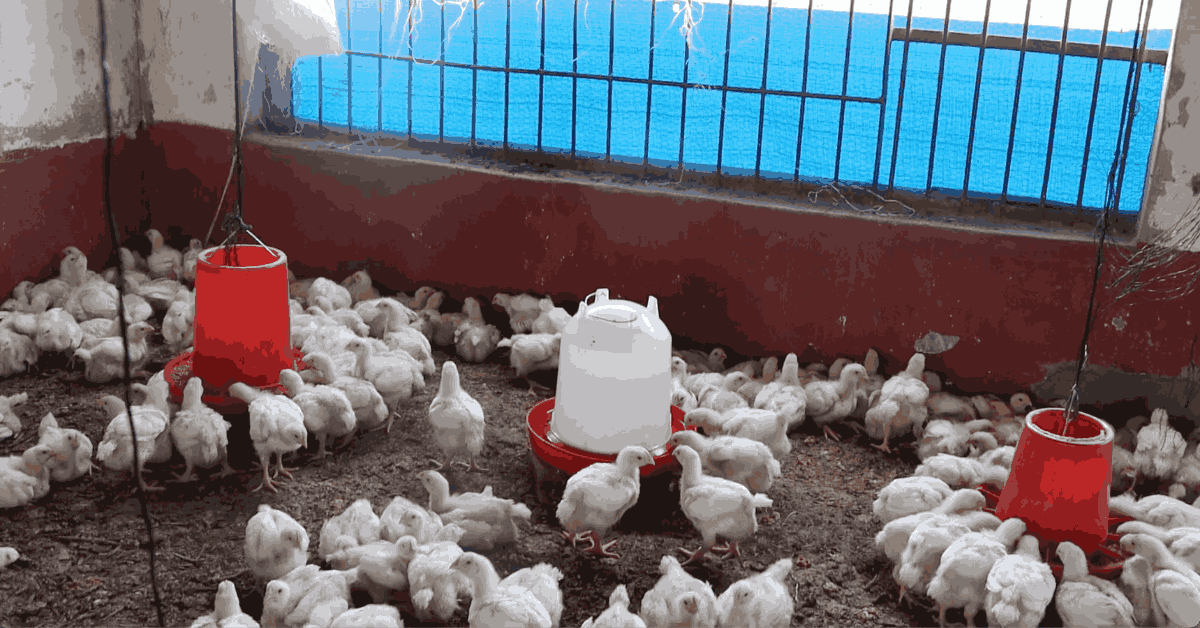
Broiler chicken farming in Zimbabwe is one of the most accessible and profitable agribusiness ventures for both small-scale and commercial farmers. With increasing demand for affordable protein, fast growth cycles, and relatively predictable returns, broiler production has become a cornerstone of Zimbabwe’s poultry industry.

Whether you are starting with a small flock in your backyard or scaling into a commercial operation, success in broiler farming depends on proper planning, nutrition, housing, disease control, and—most importantly—market access.

This detailed guide explores every aspect of broiler production, including feed formulation, costs, management practices, and how formalizing your business (through registration and tax compliance) can unlock higher-value markets.


Why Broiler Chicken Farming?

Broilers are specifically bred for meat production. Their key advantages include:

-Fast growth rate (ready for market in 5–6 weeks)

-High feed conversion efficiency

-Strong demand across all income levels

-Relatively low startup capital compared to other livestock


In Zimbabwe, broiler meat is widely consumed in homes, restaurants, fast-food outlets, and institutions, making it a reliable agribusiness opportunity. It is advisable to start the project in areas close to your markets. For example, if your target market is Harare, areas such as Domboshava, Manhenga , Mazoe or Goromonzi are ideal places to find land for your project. 


Understanding the Broiler Production Cycle

A typical broiler production cycle lasts 5 to 6 weeks, divided into three key feeding and growth phases:

  1. Starter Phase (0–2 weeks)
  2. Grower Phase (3–4 weeks)
  3. Finisher Phase (5–6 weeks)

Each stage requires a specific type of feed to meet the bird’s nutritional needs for optimal growth.

Company Registration & Updates , Tax Clearance Certificate & tax Filings , Vendor Number, and PRAZ Registration .  Call or WhatsApp Us on: +263777069078 | +263716196475 | info@companyregzim.co.zw 

Broiler Feed Formulation

Feed accounts for 65–75% of total production costs, making it the most critical factor in profitability. Many farmers reduce costs by mixing their own feed using locally available ingredients. This is a must follow guide to increase profit margins. 

Below are practical feed formulations for a 25kg batch at each stage:

Starter Feed (25kg)

This feed supports early growth, strong immunity, and skeletal development.

Maize: 12kg

Soya beans: 8.7kg

Fish meal: 2.5kg

Wheat bran: 1kg

Limestone: 375g

Bone meal: 125g

Vitamin and mineral premix: 125g

Salt: 125g


Key Notes: High protein content is essential at this stage. Ensure ingredients are finely ground for easy digestion. Clean water must always be available

Grower Feed (25kg)

This stage focuses on steady weight gain and muscle development.

Maize: 14kg

Soya beans: 7kg

Fish meal: 1.75kg

Wheat bran: 1.25kg

Limestone: 375g

Bone meal: 375g

Vitamin and mineral premix: 126g

Salt: 125g

Key Notes: Protein levels are slightly reduced. Energy levels increase to support growth. Monitor feed intake closely. 


Finisher Feed (25kg)

This phase maximizes weight gain and prepares birds for market.

Maize: 16.25kg

Soya beans: 5kg

Fish meal: 1.25kg

Wheat bran: 1.5kg

Limestone: 500g

Bone meal: 250g

Vitamin and mineral premix: 125g

Salt: 125g


Takeaways: Higher energy content. Lower protein compared to starter feed. Focus on achieving market weight efficiently

Housing Requirements for broiler chicken farming

Proper housing is essential for bird health and productivity.

Key Features of a Good Broiler House:

-Well-ventilated but draft-free

-Dry flooring with bedding (wood shavings)

-Protection from predators

-Adequate lighting

-Easy to clean and disinfect


Stocking Density:

Your broiler project must have 10–12 birds per square meter. Overcrowding leads to:

-Disease outbreaks

-Poor growth rates

-Increased mortality

Equipment Needed when starting a broiler project: 

-Feeders and drinkers

-Heat source (charcoal stove or gas brooders)

-Thermometer

-Lighting system

-Disinfectants


Brooding Management (First 2 Weeks)

The brooding phase is critical for survival and future performance. The quality of your broiler chickens are determined by good brooding practises. In short, brooding is a deal maker or deal breaker.

Temperature Guidelines:

Week 1: 32–34°C

Week 2: 28–30°C

Tips:

Preheat the house before chicks arrive. Provide glucose water or stress mix on arrival. Avoid cold stress—it causes high mortality

Feeding Program and Growth Targets

A well-managed broiler should reach:

Week 2: 500–700g

Week 4: 1.2–1.5kg

Week 6: 1.8–2.5kg

Feed consumption per bird over the cycle is approximately:3.5–4.5 kg total feed

Company Registration & Updates , Tax Clearance Certificate & tax Filings , Vendor Number, and PRAZ Registration .  Call or WhatsApp Us on: +263777069078 | +263716196475 | info@companyregzim.co.zw 

Health Management in broiler chicken farming

Disease control is essential to protect your investment. Common diseases found in broiler chickens include: Newcastle disease, Gumboro (Infectious Bursal Disease) and Coccidiosis

Preventive Measures:

-Vaccination program

-Clean water supply (you can get a borehole drilled at your farm.)

-Regular disinfection

-Restrict visitor access


Cost of Production in Broiler Chicken farming –  (Example for 100 Birds)

Day-Old Chicks: $0.80 – $1.20 per chick → ~$100

Feed Costs: Approx. 400kg feed total → ~$300–$400

Vaccines & Medication: → ~$50

Bedding & Utilities: → ~$50

Labour: → ~$100

Total Cost: → ~$600–$700 per 100 birds


Revenue and Profit Potential

Selling Price: $5 – $7 per bird (depending on weight and market)

Revenue: 100 birds × $6 = $600

Profit: Margins depend on feed efficiency and mortality rate. Usually, profits range between $0.60 to $0.90 per bird. 

A key thing to remember in broiler chicken farming in Zimbabwe or any other country is that scaling up significantly improves profitability due to economies of scale. Take for example, 2 farm workers can raise 2000 birds and the same number of workers can also raise 10 000 birds. This means, the more birds you have, the more cost effective it becomes. 

Where to get market for broiler chickens  in Zimbabwe

After having reared broiler chickens, the question most farmers will have is where to get market for their broiler chickens. Although this is a common dilemma, it is advisable to look for market well before starting your project. Have a contract and you will have peace of mind knowing that all your chickens will be purchased at a pre-determined price. However, broiler farmers can also sell to:

-Individual households (your friends, workmates, church or school colleagues). You can even have your own butchery or abbattoir. Check how Kalos meats is doing it. 

-Open markets (you can sell to middlemen also known as Makoronyera. The beauty is that they get all the chickens in bulky.)

-Butcheries (approach your local butcheries and strike a supply deal with them. )

-Restaurants and fast-food outlets (restauarants and fast food outlets are another ready market for broilers)

-Supermarkets (Although they require more documentation and may take long to pay you, supermarkets are another market for your broiler chickens)


The Importance of Securing a Market

One of the biggest mistakes farmers make is producing without a clear market.


Strategies:

Contract farming

-Supplying local shops

-Building relationships with bulk buyers

Consistency is key—buyers prefer reliable suppliers.


 Company Registration & Updates , Tax Clearance Certificate & tax Filings , Vendor Number, and PRAZ Registration .  Call or WhatsApp Us on: +263777069078 | +263716196475 | info@companyregzim.co.zw 


How to formally register a broiler Chicken farming project in Zimbabwe.  

To access high-value markets, operating informally is not enough. You need to have a formally registered business with a trail of how operations are done. 

Requirements to register a broiler farming business in Zimbabwe:

Registering a broiler chicken farming company requires several key requirements:

1. Five proposed Company names in order of priority.

2. Company objective: eg broiler farming.

3. ID cards for Company Directors, Shareholders or Secretaries

4. Physical Addresses for the Company Directors, Shareholders or Secretaries               

5. DOB for each Company Directors, Shareholders or Secretaries                                 

6. Company physical address

7. Company email address.

Nb: if you don’t have Company physical or email addresses,  we can use your personal addresses.

The company secretary must be at least 18 years old and a resident of Zimbabwe.

A budget of  $150 for a Private Limited company if you register the company with us.


Benefits of registering a broiler chicken farming company in Zimbabwe: 

Registering your poultry business allows you to do the following among others:

-Enter formal contracts

-Supply supermarkets and large institutions

-Build credibility

Tax Clearance Certificate

A tax clearance certificate is often required by:

-Supermarkets

-Government tenders

-Corporate buyers

Without it, you are limited to informal markets where prices are often lower.


Value Addition Opportunities in broiler farming business

To increase profits, consider:

Selling dressed chickens instead of live birds

Packaging and branding

Supplying cut portions (wings, thighs, breasts)

Value addition can significantly improve margins.


Challenges in Broiler Farming

While profitable, broiler farming has challenges. The challenges include but are not limited to:

  • Feed Costs – Feed is expensive and prices fluctuate.
  • Disease Outbreaks – Poor management can wipe out entire flocks.
  • Market Competition – Large producers dominate formal markets.
  • Power and Water Supply Issues – Essential for consistent production


Tips for Success in the Broiler farming business. 

  1. Start Small, Then Scale

Gain experience before expanding. Start with a small flock such as 2000 birds and gain experience before keeping 10 000+ birds. 

  1. Keep Records

Track every aspect of your project:

-Feed consumption

-Mortality rates

-Growth performance

-Sales and expenses (hire a book keeping consultant to assist with the book keeping of your business)

  1. Focus on Biosecurity

Prevention is cheaper than treatment.

  1. Use Quality Feed Ingredients

Poor nutrition leads to poor profits.

  1. Secure Your Market Early

Production without a buyer is risky.

Why Broiler Farming Remains a Top Agribusiness

Broiler farming stands out because:

-Quick returns (within 6 weeks)

-High demand for chicken meat

-Scalable business model

-Opportunities for vertical integration (hatchery → production → processing)

-With proper management, broiler farming can generate consistent income throughout the year.


Related business ideas to explore: 

How to start a cattle pen fattening business in Zimbabwe: https://companyregzim.co.zw/how-to-start-a-pen-fattening-business-in-zimbabwe/

Requirements to export agricultural products from Zimbabwe: https://companyregzim.co.zw/how-to-export-agricultural-products-from-zimbabwe/

Starting a coffee shop business in Zimbabwe – what you need to know: https://companyregzim.co.zw/how-to-start-a-coffee-shop-business-in-zimbabwe/

Final Thoughts

Broiler chicken farming in Zimbabwe is more than just raising chickens—it is a business that requires planning, discipline, and market awareness.

By mastering feed formulation, maintaining strict health standards, and formalizing your business through registration and tax compliance, you position yourself for long-term success.

The combination of fast turnover, strong demand, and scalable production makes broiler farming one of the most practical and profitable agricultural ventures in Zimbabwe today.


Chilli Farming in Zimbabwe

Chilli Farming

Chilli farming in Zimbabwe is emerging as one of the most profitable youth agribusiness opportunities in Zimbabwe.


Why Chilli Farming Is Being Ignored

Youth unemployment remains a major concern. Yet chilli farming in Zimbabwe continues to be overlooked. That’s surprising because the numbers don’t lie.

Many young people see agriculture as slow and low-paying. But chilli farming is different. It’s intensive, export-driven, and cash-flow oriented. Unlike maize or tobacco, chillies mature quickly and generate revenue within one season.

More importantly, the entry barrier is manageable. A hectare doesn’t require massive machinery. With drip irrigation and proper management, even small plots can produce commercial volumes.

Simply put, chilli farming in Zimbabwe isn’t just farming — it’s agribusiness.


Company Registration & Updates , Tax Registration and Updates , Vendor Number, PRAZ Registration – Call or WhatsApp +263777069078 | +263716196475

Yield Differences: Hybrids vs Standard Varieties

This is where most people get it wrong.

Standard chilli varieties yield 7–8 tonnes per hectare. That’s decent.

But hybrid varieties? They yield 21+ tonnes per hectare under proper management.

That’s nearly three times the output.

Hybrid seeds cost more upfront. However, they:

  • Produce uniform fruits
  • Resist disease better
  • Offer higher export quality
  • Provide consistent harvest cycles

If you’re serious about chilli farming in Zimbabwe, hybrids aren’t optional — they’re strategic.


Understanding the 5:1 Rule in chilli farming

Here’s a simple but powerful principle:

5kg fresh chilli = 1kg dry chilli

This 5:1 rule determines revenue planning.

For example:

  • 15 tonnes fresh = 3 tonnes dry
  • 10 tonnes fresh = 2 tonnes dry

If your contract is for dry chilli at $2.00/kg, you must calculate fresh output accordingly.

Understanding this conversion separates commercial farmers from hobby farmers.

Chilli farming capital Requirements Per Hectare 

Let’s talk numbers.

$1,500–$3,000 per hectare typically covers:

  • Hybrid seedlings
  • Fertilizer programs
  • Drip irrigation setup
  • Chemicals and pest control
  • Labor costs
  • Land preparation
  • Power and water usage

Yes — the $3,000 covers labor and operating expenses for the season.

Many people assume it excludes wages. It doesn’t. A well-structured budget accounts for:

  • Field workers
  • Irrigation management
  • Harvest labor
  • Drying supervision

With good planning, this amount is sufficient for one full production cycle.

Revenue Potential and Market Pricing

Now let’s examine income.

Dry Chilli Contracts

  • Contract price: $2.00/kg
  • 3 tonnes dry output = $6,000 gross revenue

Fresh Export Market for chilli farming

Exporting 15 tonnes fresh to markets such as Dubai or Europe can generate:

  • $1/kg average fresh price
  • 15 tonnes = $15,000+ gross revenue

Export standards require strict grading and post-harvest handling. However, the reward justifies the discipline.


Company Registration & Updates , Tax Registration and Updates , Vendor Number, PRAZ Registration – Call or WhatsApp +263777069078 | +263716196475

Profit Margins in Chilli Farming Explained

Let’s calculate realistically.

Item Amount
Gross Revenue (dry 3 tonnes) $6,000
Average Costs $2,500
Net Profit $3,500

Under export fresh model:

Item Amount
Gross Revenue $15,000
Average Costs $7,500 (larger scale ops)
Net Profit $7,500

That’s per hectare, per season.

Small land. High return. Smart farming.

Production Timeline

Time is money. So how long does chilli farming in Zimbabwe take?

Planting to Harvest: 60–125 Days

  • Seedling stage: 21–30 days
  • Transplanting phase
  • First harvest: 75 days after transplanting
  • Green chillies ready at 60–75 days
  • Continuous production: 4+ months
  • Some farms harvest up to 6 months

The beauty is this: income isn’t one-off. Plants keep producing.

That means consistent weekly cash flow.

From Transplanting to First Harvest

After transplanting, root establishment takes 2–3 weeks.

Flowering begins shortly after.

By day 75, first picking starts.

From there:

  • Harvest every 5–7 days
  • Maintain fertilization schedule
  • Monitor pests closely

Consistent harvesting encourages more fruiting.

Continuous Production Period

Chilli plants are generous if managed properly.

They produce continuously for four months or more.

With irrigation:

  • Off-season production becomes possible
  • Market prices increase during dry season
  • Export windows widen

Timing production strategically boosts profitability.

Labour and Operating Costs Breakdown

The $3,000 seasonal cost includes:

  • Permanent worker wages
  • Casual harvest labor
  • Fertilizer top dressing
  • Pesticide rotation
  • Irrigation power bills
  • Drying infrastructure setup

Efficient management prevents overspending.

Poor planning inflates costs. That’s why professional farm planning matters.

Local vs Export Markets

Local market:

  • Lower compliance standards
  • Immediate payment
  • Lower prices

Export market:

  • Strict grading
  • Higher volumes
  • Premium pricing

Chilli farming in Zimbabwe thrives because of export demand. International buyers value quality and consistent supply.

Contract farming reduces market risk significantly.

 7 Hectare Farm Transformation

Phase 1: Land Use Planning

We divided the land strategically:

  • 3ha chilli
  • 2ha rotation crops
  • 1ha infrastructure
  • 1ha water reserves

Soil mapping identified fertility zones.

Instead of guessing, we used data.

Phase 2: Water Surveying

Water is everything.

We conducted drone-based underground water surveys.

We:

  • Mapped underground streams
  • Identified water deposition zones
  • Pinpointed exact borehole drilling locations

This reduced drilling risk and saved thousands.

Phase 3: 8 Months of Hands-On Support

Support included:

  • Agronomy visits
  • Pest diagnostics
  • Fertilizer calibration
  • Market linkage assistance

Today, the 7ha farm is:

  • Fully utilized
  • Fully productive
  • Fully profitable

Size didn’t matter.

The plan did.

Risk Management in Chilli Farming

Every business has risks.

For chilli farming in Zimbabwe, key risks include:

  • Aphids and thrips
  • Viral diseases
  • Inconsistent irrigation
  • Market price fluctuations

Mitigation strategies:

  • Use certified hybrid seeds
  • Install drip irrigation
  • Rotate pesticides responsibly
  • Secure contracts before planting

Agriculture rewards preparation.

Why Small Land Is Enough

One hectare can produce serious income.

Unlike maize requiring 10+ hectares for scale, chilli farming in Zimbabwe allows intensity over acreage.

High density planting.
High yield hybrids.
Export pricing.

That’s the formula.

Company Registration & Updates , Tax Registration and Updates , Vendor Number, PRAZ Registration – Call or WhatsApp +263777069078 | +263716196475

Frequently Asked Questions about Chilli farming

1. How long does chilli farming take from planting to selling?

Between 60–125 days depending on variety. First harvest begins around 75 days after transplanting. Production continues for 4–6 months.

2. Does the $3,000 include labor costs?

Yes. It covers seedlings, fertilizer, drip irrigation, labor, chemicals, and operating costs including power.

3. Can I start with half a hectare?

Absolutely. Many successful farmers start small. Proper planning is more important than land size.

4. Is export market necessary?

Not mandatory, but it increases profitability. Contracts reduce risk and improve income predictability.

5. What is the biggest mistake beginners make?

Underestimating irrigation planning and skipping soil testing.

6. Is chilli farming seasonal?

Primarily yes, but irrigation enables extended or off-season production.

7. How profitable is chilli farming in Zimbabwe realistically?

Net profits range from $3,500 to $7,500 per hectare per season depending on yield and market model.

Conclusion

Chilli farming in Zimbabwe is not theory.

It’s numbers.
It’s planning.
It’s execution.

Hybrids yield 21+ tonnes per hectare.
The 5:1 rule governs dry conversion.
$1,500–$3,000 covers full seasonal costs.
Contracts can generate $6,000 to $15,000 gross.
Net profits can exceed $7,000 per hectare.

Youth unemployment is high.

But chilli farming? Still ignored.

Small land. High return. Smart farming.

And with drone-based underground water surveys, precision borehole drilling becomes a strategic advantage.

If you want income that makes sense, agriculture that moves fast, and a system built on data — this is it.

The inspiring rise of Shingai Mutasa and his business empire

Shingai Mutasa

The Inspiring Rise of Shingai Mutasa

Shingai Mutasa stands out as one of Zimbabwe’s most influential entrepreneurs. His journey from a modest beginning to building a diversified business empire reflects determination, strategic thinking, and bold leadership.

In this Shingai Mutasa biography, we explore how he built a powerful portfolio across industries such as telecommunications, risk advisory , financial services, hospitality, and real estate. His story isn’t just about wealth creation—it’s about vision, the ability to structure business systems, resilience, and long-term impact.

Shingai Mutasa - Zimbabwean Entrepreneur

Shingai Mutasa – Zimbabwean Entrepreneur

 Early Life and Background

Shingai Mutasa was born on 26 November 1958 in Zimbabwe. Growing up in a business-oriented family, he was exposed early to entrepreneurship. This early exposure played a significant role in shaping his mindset.

He didn’t just grow up watching business—he absorbed it. That foundation later became critical when he stepped into the corporate world.

Academic Journey and Influences

Shingai Mutasa pursued a Bachelor of Science in Economics at University College London. This academic background gave him a strong analytical framework, enabling him to understand global markets and economic systems.

While studying abroad, he developed a broader worldview. This exposure helped him identify opportunities that many local entrepreneurs might have overlooked.

Shingai Mutasa entry into business world

First Steps as a Commodity Broker

Like many successful entrepreneurs, Mutasa didn’t start at the top. He began as a commodity broker in his family business. This role taught him:

  • Market dynamics
  • Risk management
  • Negotiation skills
  • Financial discipline

These foundational skills became the backbone of his future ventures.

Founding Venture Finance

In 1992, Mutasa founded Venture Finance, a pivotal moment in his career. This company became the vehicle through which he executed one of his most strategic moves.

Strategic Business Vision

Mutasa didn’t just build businesses—he acquired and transformed them. His strategy was clear:

  • Identify undervalued assets
  • Restructure operations
  • Unlock hidden value

This approach positioned him as a serious player in Zimbabwe’s corporate sector. So it is clear how modern entrepreneurs of today can do business. Simply acquiring and transforming an already existing entity. 

Acquisition of TA Holdings

One of his most notable achievements was acquiring TA Holdings, a company listed on the Zimbabwe Stock Exchange.

Impact on Zimbabwe’s Corporate Landscape

This acquisition wasn’t just a business deal—it was a statement. It showed that local entrepreneurs could:

  • Compete at high levels
  • Take control of major corporations
  • Use systems to scale businesses
  • Drive transformation

Mutasa’s move inspired a new generation of Zimbabwean business leaders.

Creation of Masawara Group by Shingai Mutasa

Mutasa later founded Masawara, a diversified investment holding company. He simply transformed TA Holdings into Masawara Group. 

Expansion and Diversification

Masawara expanded into multiple sectors, including:

  • Telecommunications 
  • Insurance
  • Hospitality
  • Financial Services
  • Risk Advisory
  • Property
  • Health
  • Agrochemicals
  • Energy

The company was even listed on the Alternative Investment Market (AIM) of the London Stock Exchange—a rare achievement for a Zimbabwean business.

Key Investments and Portfolio Companies of Masawa Group.

Masawara’s portfolio is both diverse and strategic. It includes several major companies that play key roles in Zimbabwe’s economy.

Telecommunications and Technology

Owned by Masawara Group of Companies, Dandemutande has helped drive digital transformation and connectivity to corporates in Zimbabwe.

Hospitality 

Masawara Group of Companies also owns Cresta Lodges and Hotel as well as Shumba Car Hire. Both companies are giants in the hospitality industry with Cresta Lodges and Hotels operating in Botswana, South Africa and Zimbabwe. 

Financial Services

The financial services sector arm of Maswara Holdings has these six companies. With Shingirai Mutasa at the helm, it is no doubt he has polished his art in leading Masawara Group of companies into a viable holding company. 

Real Estate

One of Mutasa’s most visible contributions is the construction Joina City, one of Zimbabwe’s tallest buildings located in Harare.

Risk Advisory

Minerva, the risk advisory firm is one of the companies owned by Masawara Group. It is one of the preferred go to advisory firms when it comes to risk management, insurance, reinsurance and pensions.

Health Care

In the healthcare sector, Masawara Group of Companies owns CareNet Africa. The company provides healthcare solutions designed to make accessing medical care more efficient and effective for individuals and corporations.  

Energy

Masawara through its subsidiary Tatanga Energy addresses Africa’s growing energy deficit by developing efficient, affordable, and innovative power solutions across wind, solar, gas, and hydro sectors.

Agriculture

A subsidiary of the Masawara Group, Sable Chemical Industries has been Zimbabwe’s sole manufacturer of nitrogenous fertilizer since 1966.

Shingai Mutasa Entrepreneurial Mindset

Shingai Mutasa’s leadership style is defined by:

  • Strategic patience
  • Calculated risk-taking
  • Long-term vision

He doesn’t chase quick wins. Instead, he focuses on sustainable growth.

Contribution to Zimbabwe’s Economy

Mutasa’s impact goes beyond his companies.

Job Creation and Innovation

Through his ventures, he has:

  • Created thousands of jobs
  • Stimulated economic activity
  • Encouraged entrepreneurship

His businesses continue to support Zimbabwe’s economic growth.

Lessons for Aspiring Entrepreneurs

If you’re looking to follow in Mutasa’s footsteps, here are practical takeaways:

  1. Start small but think big
  2. Invest in knowledge and education
  3. Be patient with growth
  4. Diversify your investments
  5. Stay resilient during tough times
  6. Have systems in place. Goals are for those who care about winning once, systems are for those who want to win repeatably!

Success doesn’t happen overnight—but with consistency, it becomes inevitable.

For further reading: Business opportunities to explore in Zimbabwe

Businesses you can start with $1000 or less in Zimbabwe

Frequently Asked Questions about Shingai Mutasa

1. Who is Shingai Mutasa?

Shingai Mutasa is a Zimbabwean entrepreneur and CEO of Masawara Group, known for his investments across multiple industries.

2. What is Masawara?

Masawara is a diversified investment company with interests in telecommunications, insurance, hospitality, and energy.

3. What is Joina City?

Joina City is a major commercial building in Harare developed under Mutasa’s leadership.

4. How did Shingai Mutasa become successful?

He combined education, strategic acquisitions, and long-term investment thinking to build his empire.

5. What industries does he operate in?

Telecommunications, insurance, hospitality, real estate, and energy.

6. What can entrepreneurs learn from him?

Vision, patience, diversification, and resilience are key lessons.

Conclusion

The story of Shingai Mutasa is a powerful example of what’s possible with vision and discipline. From humble beginnings to leading a multi-sector empire, his journey is both inspiring and instructive.

Zimbabwe—and indeed Africa—needs more leaders like Shingai Mutasa. His legacy isn’t just in buildings or companies; it’s in the mindset he represents: bold, strategic, and future-focused.

For more insights into African entrepreneurship, you can explore global perspectives on business leadership via World Bank.


How to register a blueberry farming business in Zimbabwe?

Blueberry business in Zimbabwe

Starting a blueberry farming business in Zimbabwe requires registering the company with the appropriate government authorities to operate legally and gain access to financial services. This process involves selecting the business structure, reserving a unique company name, preparing necessary documents, submitting an application, and paying registration fees. Following these steps ensures the business can benefit from legal protection, tax compliance, and credibility with clients and suppliers.

Zimbabwe’s blueberry farming business shows promising opportunities, making it essential for entrepreneurs to formalize their businesses properly. Registration not only allows access to government tenders and funding but also helps navigate regulatory requirements unique to the agricultural industry. Understanding and completing the registration process efficiently is crucial to establishing a stable foundation for a blueberry enterprise.

Choosing the Right Company Structure

Selecting the appropriate company structure affects liability, taxes, ownership, and compliance requirements. Careful consideration is necessary to align the business goals with legal obligations in Zimbabwe.

Private Limited Company Options

A Private Limited Company (PLC) is the most common structure for small to medium-sized enterprises, including agricultural ventures like blueberry farming businesses. It limits the liability of shareholders to their shares and requires at least one shareholder and two directors. A PLC allows for 100% foreign ownership, which is beneficial for foreign investors.

Public Limited Company Criteria

A Public Limited Company (PLC) is suitable for larger ventures intending to raise capital through selling shares on the Zimbabwe Stock Exchange or Victoria Falls Exchange. It requires a minimum of seven shareholders and stricter compliance, including mandatory audits and disclosures to regulators and the public.

This company type allows shares to be freely traded on the Zimbabwe Stock Exchange. However, it involves increased regulatory oversight and more complex management. For a blueberry business considering broad market access and investor funding, this structure is viable but demands higher compliance effort.

Private Business Corporation

A Private Business Corporation (PBC) is designed for small businesses. It requires a minimum of one member with no upper limit but cannot have more than ten members without converting to another company type. Members have limited liability.

PBCs benefit from simplified administration compared to PLCs, fewer compliance burdens, and flexible profit distribution. However, they cannot raise public capital. For a small-scale blueberry operation, this structure allows easier setup and operation without extensive regulatory oversight.

For further reading: Difference between a PBC and a Private Limited Company. 

Non-Governmental Organization

A Non-Governmental Organization (NGO) is typically established for non-commercial, social, or charitable purposes. It is not suitable for commercial enterprises focused on profit, such as a blueberry business aimed at producing and selling fruit.

NGOs must register with the NGO board and comply with specific governance and reporting standards. They rely on donations, grants, or funding from non-profit activities. Using this structure for a commercial farming business is impractical and may conflict with regulatory definitions in Zimbabwe.

Blueberry business registration requirements in Zimbabwe

A blueberry farming business in Zimbabwe can best be registered as a Private Limited Company. Here are the requirements  to formally register your company with the  Registrar of Companies in Zimbabwe.

Company registration requirements:

1. Five proposed Company names in order of priority.

2. Company objective: eg mining or construction.

3. ID cards for Company Directors

4. Physical Addresses for the directors.                

5. DOB for each director.                                  

6. Company physical address

7. Company email address.

NB: if you don’t have Company physical or email addresses,  we can use your personal addresses.

Cost USD : $150 if you are registering via our website.

Duration: 7-14 working days

You can fill in the form by clicking on: https://companyregzim.co.zw/register-now/?v=31645929703e

Note: For company registration, the costs you will incur are yearly updating of annual returns. By annual returns, we mean that you must notify the Registrar of Companies about the company’s current contact details and the shareholding structure. Annual returns are paid from the company’s first anniversary. We charge USD $30 to submit your annual returns.

Company Registration & Updates , Tax Registration and Updates , Vendor Number, PRAZ Registration – Call or WhatsApp +263777069078 | +263716196475

Registering With the Zimbabwe Revenue Authority (ZIMRA)

Registering with ZIMRA is a mandatory step to operate a blueberry business legally in Zimbabwe. It ensures the business has a formal tax identity and complies with the country’s fiscal requirements.

Obtaining a Zimra TIN Number

Every blueberry business must register with ZIMRA to obtain a Tax Payer Identification Number (TIN). This number uniquely identifies the business for all tax-related activities. Registration can be completed online through ZIMRA’s Self Service Portal (SSP) by creating an account, selecting the business type, and submitting all required documents. To finalize the registration, the business must link a bank account to the ZIMRA Single Account for tax payments.

Complying With Tax Obligations

Once registered, the blueberry business must adhere to tax obligations, including filing income tax (also known as QPDs), Value Added Tax, and possibly presumptive taxes depending on the business scale.

Provisional tax payments are required quarterly, with specific due dates: 25th March (10%), 25th June (25%), 25th September (30%), and 20th December (35%). These payments are based on estimated annual tax and must be adjusted quarterly.

VAT registration is mandatory if the business’s annual taxable turnover exceeds US$25,000. VAT returns and payments must be submitted online by the 25th of the month following the tax period.

Finally, the business must submit annual tax returns by 30th April each year and keep detailed records for at least six years to comply with ZIMRA regulations.

Industry-Specific Licenses and Post-Registration Steps

Starting a blueberry business in Zimbabwe involves securing specific permits and fulfilling regulatory requirements to operate legally. Compliance with agricultural regulations, social security contributions, and financial management are crucial after company registration.

Applying for Agricultural Permits

Blueberry farming requires obtaining agricultural permits from the Ministry of Agriculture. This includes licenses related to land use, crop production, and environmental compliance. The permits ensure the business meets safety, quality, and sustainability standards.

Farmers must submit an application detailing land location, farming practices, and projected outputs. Environmental impact assessments are required, especially for irrigation and pesticide use.

Permits are typically renewed annually and must be kept current to avoid fines or business disruption. Failure to obtain proper agricultural licensing can result in legal penalties or shutdown of operations.

Company Registration & Updates , Tax Registration and Updates , Vendor Number, PRAZ Registration – Call or WhatsApp +263777069078 | +263716196475

Registering With NSSA

The National Social Security Authority (NSSA) registration is mandatory for all businesses with employees in Zimbabwe. This ensures workers receive social security benefits such as pensions, injury compensation, and unemployment support.

The blueberry business must register its workforce with NSSA within 30 days of hiring. This involves submitting employee details and contributions calculated as a percentage of total wages.

Non-compliance with NSSA registration can lead to penalties and restrict access to government-backed benefits or contracts. Regular contributions and updates to employee records are required to maintain good standing.

Opening a Business Bank Account

Opening a dedicated business bank account is essential for managing the financial activities of a blueberry farm. It separates personal and business finances, facilitating clear bookkeeping and tax compliance.

Banks require company registration documents, tax clearance certificates, and identification of authorized signatories. Many banks also ask for a business plan or proof of operating permits. The best banks to open a corporate business bank account are: FBC Bank, NMB, BancABC and CABS.

A business account enables access to loans, credit facilities, and mobile payment options like Ecocash. Maintaining transparent financial records through the account simplifies audits and supports smoother growth.

Conclusion

The Zimbabwean agriculture sector is growing, with the horticulture sector being one of the sectors yielding higher returns. This guide having given you what is required to formally register your blueberry business in Zimbabwe with the relevant authorities like the Registrar of Companies, the Zimbabwe Revenue Authority (ZIMRA) and the National Social Security Authority (NSSA) , it is time to formalise your company and start reaping more benefits of being formalised.

How to change company directors in Zimbabwe?

Change company directors

It is not everytime in Zimbabwe when things go your way! There may come a time when you have to add or remove a company director. This change in company directors can be neccessitated by: a voluntary resignation, death,  incapacitation of the director or a change in the business landscape. To change company directors mean either adding a new director or removing an existing one.

In Zimbabwe, the change of company directors process is governed by the Companies and Other Business Entities Act [Chapter 24:31], which replaced the old Companies Act in 2020. Under the new Act, the form used for this process has changed: the formerly well-known CR14 form was replaced with the CR6 form.

When to Change Company Directors

A change in company directors can happen in any of the below forms:

  • New Appointment: Adding a new person to the board.
  • Resignation: A director voluntarily leaves their post.
  • Removal: Shareholders vote to remove a director (usually requiring a special resolution).
  • Change of Details: If an existing director changes their residential address or legal name.
  • Death or Disqualification: If a director passes away or becomes legally ineligible (e.g., bankruptcy or criminal conviction).

You are legally mandated to notify the Registrar of Companies if any of the above happens. Most importantly, you must file the change with the Registrar of Companies within 21 days of the change occurring. Failure to do so can result in late filing penalties.

Company Registration & Updates [Change of Directors / Shareholders], Tax Registration and Updates , Vendor Number, PRAZ Registration – Call or WhatsApp +263777069078 | +263716196475

How to change company Directors?

Whenever there is going to be a change in company directors, you must follow the following processes:

1. Internal Authorisation

  • Board Meeting: This is the first step you must carry out when doing a change of directors in an organisation. You have to hold a meeting where the resignation is accepted or the new appointment is proposed.
  • Resolution: Pass a formal resolution. For appointments, a simple board resolution usually suffices (unless the Articles of Association state otherwise). For removals, a Special Resolution from shareholders is typically required.
  • Letter of Consent/Resignation: * New Director: Must sign a letter consenting to act as a director.
  • Outgoing Director: Should provide a signed resignation letter.

Sample letters for change of company directors

Below are two sample letters to draft when effecting a change of directors for a company in Zimbabwe:

Template 1: Director’s Resignation Letter

This should be printed on plain paper or the director’s personal letterhead, signed, and kept in the company’s minute book.

To: The Board of Directors [Company Name] [Company Registered Address]

Date: [Insert Date]

RE: RESIGNATION FROM THE BOARD OF DIRECTORS

I, [Full Name of Director], holder of ID Number [ID Number], hereby tender my resignation as a Director of [Company Name] effective from [Date of Resignation].

My resignation is due to [optional: personal reasons / other commitments]. I confirm that I have no claims against the company for loss of office, unpaid fees, or otherwise.

I wish the company continued success in its future endeavors.

Yours Faithfully,

[Signature] [Full Name]

Template 2: Board Resolution for New Appointment

This should be printed on the Company Letterhead and signed by the Chairperson and/or the Secretary.

EXTRACT OF THE MINUTES OF A MEETING OF THE BOARD OF DIRECTORS OF [COMPANY NAME] HELD AT [LOCATION] ON [DATE]

IT WAS RESOLVED:

  1. That [Full Name of New Director], holder of ID Number [ID Number], be and is hereby appointed as a Director of the Company with effect from [Date].

  2. That the Company Secretary be and is hereby authorized to file the necessary Form CR6 with the Registrar of Companies to effect this change.

  3. [Optional] That the new director be added as an authorized signatory to the company’s accounts held at [Bank Name].

Certified as a true record of the proceedings:

[Signature] Chairperson/Company Secretary

2. Documents required for new directors

To file the change of directors, you will need the following information for the new director(s):

  • Full names and any former names.
  • National ID number (or Passport number for non-residents).
  • Nationality.
  • Residential address.
  • Date of appointment/resignation.

Company Registration & Updates [Change of Directors / Shareholders], Tax Registration and Updates , Vendor Number, PRAZ Registration – Call or WhatsApp +263777069078 | +263716196475

3. Filing the CR6 Form (Formerly CR14)

  • Prepare the Form CR6 (List of Directors and Secretaries).
  • Submit the form to the Registrar of Companies Online.
  • Note: The Registry often requires that your Annual Returns are up to date before they will accept any new filings for director changes.


Sample change of directors document

Sample change of directors document


4. Post-Filing Requirements

  • ZIMRA Update: You must notify the Zimbabwe Revenue Authority (ZIMRA) of the change, especially if the director is also the Public Officer of the company.
  • Bank Notification: Most banks require a “certified” copy of the new CR6 and a fresh board resolution to update the bank account signatories.

Key Requirements to Remember

  • Minimum Directors: A Private Limited Company (PLC) must have at least two directors.
  • Residency: At least one director must be ordinarily resident in Zimbabwe.
  • Corporate Directors: Under the new Act, a company cannot be a director; only natural persons are permitted.