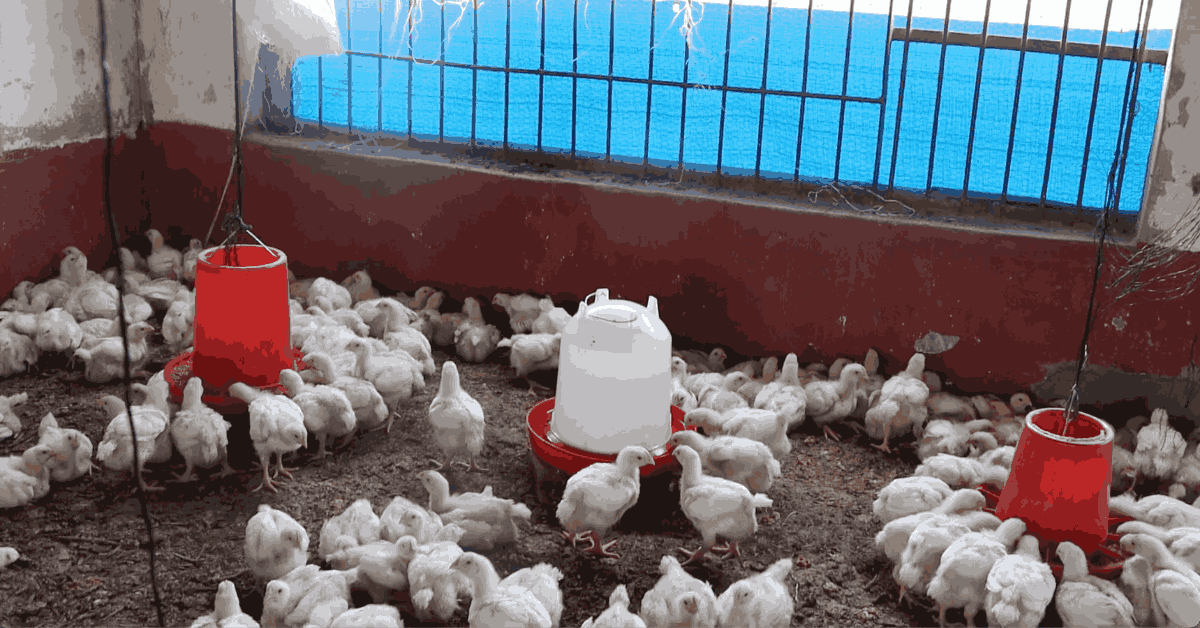
Broiler chicken farming in Zimbabwe is one of the most accessible and profitable agribusiness ventures for both small-scale and commercial farmers. With increasing demand for affordable protein, fast growth cycles, and relatively predictable returns, broiler production has become a cornerstone of Zimbabwe’s poultry industry.
Whether you are starting with a small flock in your backyard or scaling into a commercial operation, success in broiler farming depends on proper planning, nutrition, housing, disease control, and—most importantly—market access.
This detailed guide explores every aspect of broiler production, including feed formulation, costs, management practices, and how formalizing your business (through registration and tax compliance) can unlock higher-value markets.
Why Broiler Chicken Farming?
Broilers are specifically bred for meat production. Their key advantages include:
-Fast growth rate (ready for market in 5–6 weeks)
-High feed conversion efficiency
-Strong demand across all income levels
-Relatively low startup capital compared to other livestock
In Zimbabwe, broiler meat is widely consumed in homes, restaurants, fast-food outlets, and institutions, making it a reliable agribusiness opportunity. It is advisable to start the project in areas close to your markets. For example, if your target market is Harare, areas such as Domboshava, Manhenga , Mazoe or Goromonzi are ideal places to find land for your project.
Understanding the Broiler Production Cycle
A typical broiler production cycle lasts 5 to 6 weeks, divided into three key feeding and growth phases:
- Starter Phase (0–2 weeks)
- Grower Phase (3–4 weeks)
- Finisher Phase (5–6 weeks)
Each stage requires a specific type of feed to meet the bird’s nutritional needs for optimal growth.
Company Registration & Updates , Tax Clearance Certificate & tax Filings , Vendor Number, and PRAZ Registration . Call or WhatsApp Us on: +263777069078 | +263716196475 | info@companyregzim.co.zw
Broiler Feed Formulation
Feed accounts for 65–75% of total production costs, making it the most critical factor in profitability. Many farmers reduce costs by mixing their own feed using locally available ingredients. This is a must follow guide to increase profit margins.
Below are practical feed formulations for a 25kg batch at each stage:
Starter Feed (25kg)
This feed supports early growth, strong immunity, and skeletal development.
Maize: 12kg
Soya beans: 8.7kg
Fish meal: 2.5kg
Wheat bran: 1kg
Limestone: 375g
Bone meal: 125g
Vitamin and mineral premix: 125g
Salt: 125g
Key Notes: High protein content is essential at this stage. Ensure ingredients are finely ground for easy digestion. Clean water must always be available
Grower Feed (25kg)
This stage focuses on steady weight gain and muscle development.
Maize: 14kg
Soya beans: 7kg
Fish meal: 1.75kg
Wheat bran: 1.25kg
Limestone: 375g
Bone meal: 375g
Vitamin and mineral premix: 126g
Salt: 125g
Key Notes: Protein levels are slightly reduced. Energy levels increase to support growth. Monitor feed intake closely.
Finisher Feed (25kg)
This phase maximizes weight gain and prepares birds for market.
Maize: 16.25kg
Soya beans: 5kg
Fish meal: 1.25kg
Wheat bran: 1.5kg
Limestone: 500g
Bone meal: 250g
Vitamin and mineral premix: 125g
Salt: 125g
Takeaways: Higher energy content. Lower protein compared to starter feed. Focus on achieving market weight efficiently
Housing Requirements for broiler chicken farming
Proper housing is essential for bird health and productivity.
Key Features of a Good Broiler House:
-Well-ventilated but draft-free
-Dry flooring with bedding (wood shavings)
-Protection from predators
-Adequate lighting
-Easy to clean and disinfect
Stocking Density:
Your broiler project must have 10–12 birds per square meter. Overcrowding leads to:
-Disease outbreaks
-Poor growth rates
-Increased mortality
Equipment Needed when starting a broiler project:
-Feeders and drinkers
-Heat source (charcoal stove or gas brooders)
-Thermometer
-Lighting system
-Disinfectants
Brooding Management (First 2 Weeks)
The brooding phase is critical for survival and future performance. The quality of your broiler chickens are determined by good brooding practises. In short, brooding is a deal maker or deal breaker.
Temperature Guidelines:
Week 1: 32–34°C
Week 2: 28–30°C
Tips:
Preheat the house before chicks arrive. Provide glucose water or stress mix on arrival. Avoid cold stress—it causes high mortality
Feeding Program and Growth Targets
A well-managed broiler should reach:
Week 2: 500–700g
Week 4: 1.2–1.5kg
Week 6: 1.8–2.5kg
Feed consumption per bird over the cycle is approximately:3.5–4.5 kg total feed
Company Registration & Updates , Tax Clearance Certificate & tax Filings , Vendor Number, and PRAZ Registration . Call or WhatsApp Us on: +263777069078 | +263716196475 | info@companyregzim.co.zw
Health Management in broiler chicken farming
Disease control is essential to protect your investment. Common diseases found in broiler chickens include: Newcastle disease, Gumboro (Infectious Bursal Disease) and Coccidiosis
Preventive Measures:
-Vaccination program
-Clean water supply (you can get a borehole drilled at your farm.)
-Regular disinfection
-Restrict visitor access
Cost of Production in Broiler Chicken farming – (Example for 100 Birds)
Day-Old Chicks: $0.80 – $1.20 per chick → ~$100
Feed Costs: Approx. 400kg feed total → ~$300–$400
Vaccines & Medication: → ~$50
Bedding & Utilities: → ~$50
Labour: → ~$100
Total Cost: → ~$600–$700 per 100 birds
Revenue and Profit Potential
Selling Price: $5 – $7 per bird (depending on weight and market)
Revenue: 100 birds × $6 = $600
Profit: Margins depend on feed efficiency and mortality rate. Usually, profits range between $0.60 to $0.90 per bird.
A key thing to remember in broiler chicken farming in Zimbabwe or any other country is that scaling up significantly improves profitability due to economies of scale. Take for example, 2 farm workers can raise 2000 birds and the same number of workers can also raise 10 000 birds. This means, the more birds you have, the more cost effective it becomes.
Where to get market for broiler chickens in Zimbabwe
After having reared broiler chickens, the question most farmers will have is where to get market for their broiler chickens. Although this is a common dilemma, it is advisable to look for market well before starting your project. Have a contract and you will have peace of mind knowing that all your chickens will be purchased at a pre-determined price. However, broiler farmers can also sell to:
-Individual households (your friends, workmates, church or school colleagues). You can even have your own butchery or abbattoir. Check how Kalos meats is doing it.
-Open markets (you can sell to middlemen also known as Makoronyera. The beauty is that they get all the chickens in bulky.)
-Butcheries (approach your local butcheries and strike a supply deal with them. )
-Restaurants and fast-food outlets (restauarants and fast food outlets are another ready market for broilers)
-Supermarkets (Although they require more documentation and may take long to pay you, supermarkets are another market for your broiler chickens)
The Importance of Securing a Market
One of the biggest mistakes farmers make is producing without a clear market.
Strategies:
-Supplying local shops
-Building relationships with bulk buyers
Consistency is key—buyers prefer reliable suppliers.
Company Registration & Updates , Tax Clearance Certificate & tax Filings , Vendor Number, and PRAZ Registration . Call or WhatsApp Us on: +263777069078 | +263716196475 | info@companyregzim.co.zw
How to formally register a broiler Chicken farming project in Zimbabwe.
To access high-value markets, operating informally is not enough. You need to have a formally registered business with a trail of how operations are done.
Requirements to register a broiler farming business in Zimbabwe:
Registering a broiler chicken farming company requires several key requirements:
1. Five proposed Company names in order of priority.
2. Company objective: eg broiler farming.
3. ID cards for Company Directors, Shareholders or Secretaries
4. Physical Addresses for the Company Directors, Shareholders or Secretaries.
5. DOB for each Company Directors, Shareholders or Secretaries.
6. Company physical address
7. Company email address.
Nb: if you don’t have Company physical or email addresses, we can use your personal addresses.
The company secretary must be at least 18 years old and a resident of Zimbabwe.
A budget of $150 for a Private Limited company if you register the company with us.
Benefits of registering a broiler chicken farming company in Zimbabwe:
Registering your poultry business allows you to do the following among others:
-Enter formal contracts
-Supply supermarkets and large institutions
-Build credibility
Tax Clearance Certificate
A tax clearance certificate is often required by:
-Supermarkets
-Government tenders
-Corporate buyers
Without it, you are limited to informal markets where prices are often lower.
Value Addition Opportunities in broiler farming business
To increase profits, consider:
Selling dressed chickens instead of live birds
Packaging and branding
Supplying cut portions (wings, thighs, breasts)
Value addition can significantly improve margins.
Challenges in Broiler Farming
While profitable, broiler farming has challenges. The challenges include but are not limited to:
- Feed Costs – Feed is expensive and prices fluctuate.
- Disease Outbreaks – Poor management can wipe out entire flocks.
- Market Competition – Large producers dominate formal markets.
- Power and Water Supply Issues – Essential for consistent production
Tips for Success in the Broiler farming business.
- Start Small, Then Scale
Gain experience before expanding. Start with a small flock such as 2000 birds and gain experience before keeping 10 000+ birds.
- Keep Records
Track every aspect of your project:
-Feed consumption
-Mortality rates
-Growth performance
-Sales and expenses (hire a book keeping consultant to assist with the book keeping of your business)
- Focus on Biosecurity
Prevention is cheaper than treatment.
- Use Quality Feed Ingredients
Poor nutrition leads to poor profits.
- Secure Your Market Early
Production without a buyer is risky.
Why Broiler Farming Remains a Top Agribusiness
Broiler farming stands out because:
-Quick returns (within 6 weeks)
-High demand for chicken meat
-Scalable business model
-Opportunities for vertical integration (hatchery → production → processing)
-With proper management, broiler farming can generate consistent income throughout the year.
Related business ideas to explore:
How to start a cattle pen fattening business in Zimbabwe: https://companyregzim.co.zw/how-to-start-a-pen-fattening-business-in-zimbabwe/
Requirements to export agricultural products from Zimbabwe: https://companyregzim.co.zw/how-to-export-agricultural-products-from-zimbabwe/
Starting a coffee shop business in Zimbabwe – what you need to know: https://companyregzim.co.zw/how-to-start-a-coffee-shop-business-in-zimbabwe/
Final Thoughts
Broiler chicken farming in Zimbabwe is more than just raising chickens—it is a business that requires planning, discipline, and market awareness.
By mastering feed formulation, maintaining strict health standards, and formalizing your business through registration and tax compliance, you position yourself for long-term success.
The combination of fast turnover, strong demand, and scalable production makes broiler farming one of the most practical and profitable agricultural ventures in Zimbabwe today.