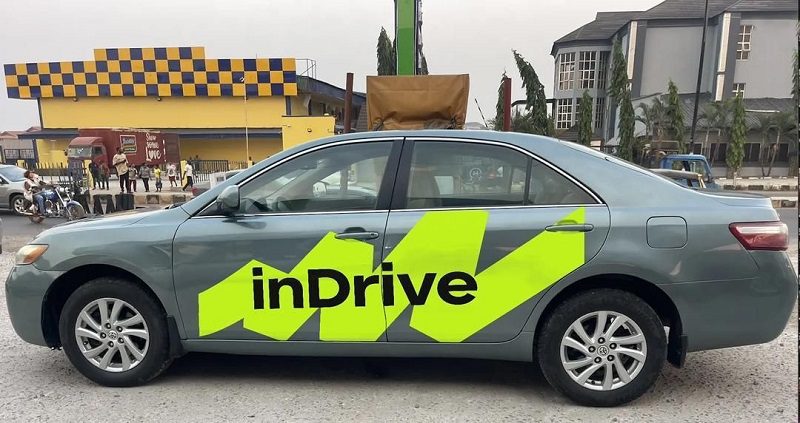
Zimbabwe’s proposed e-hailing regulations for 2026 could change how inDrive, Bolt and other e-hailing services operate. The draft law introduces a set of sweeping changes across the e-hailing sector including platform accreditation, driver permits, vehicle standards, passenger verification and stronger safety and tax-compliance controls.
For inDrive drivers, vehicle owners and entrepreneurs, the critical thing is to be prepared to formalise their businesses ad operate in accordance with the law. In this guide , we explain the proposed rules and the business records worth organising before the framework is finalised.
Zimbabwe e-hailing regulations for Indrive, Bolt etc – 2026: key proposals
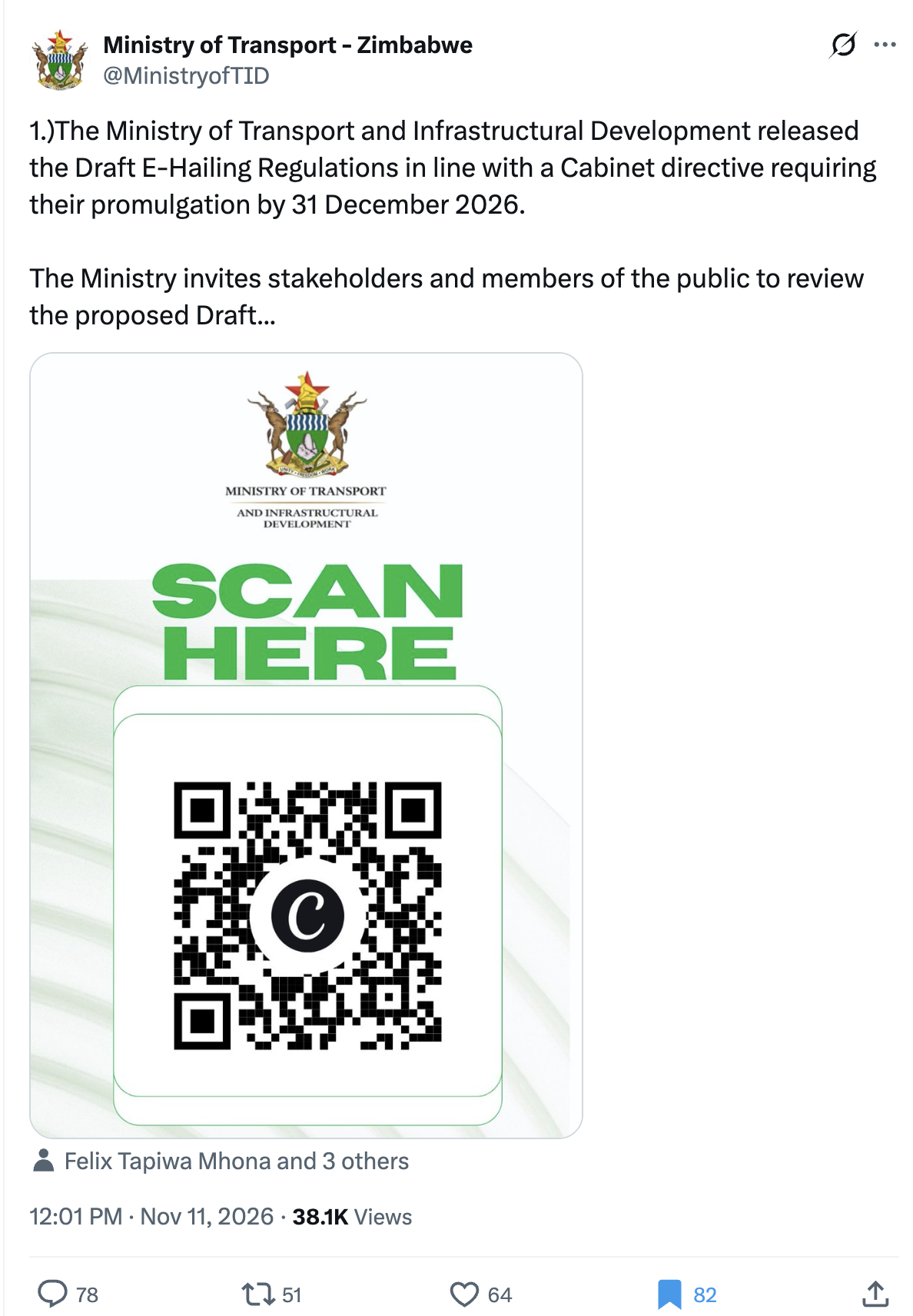
The proposal document with the e-hailing regulations was widely shared across social media including in The Herald. Below are the key proposed regulations.
| Participant | Main proposed requirements |
|---|---|
| Platform providers | Government accreditation, a Zimbabwe office, local company registration and representation for foreign providers, and accreditation valid for three years. |
| Drivers | Minimum age of 21, an appropriate driving license held continuously for at least five years, defensive driving and medical fitness certificates, Zimbabwean citizenship and a separate e-hailing permit. |
| Passengers | Full name and a verified mobile number; identity or passport verification for cash trips or trips beginning during the proposed 9pm–5am period; no personal registration for under-18s. |
| Vehicle operators | An operator’s license endorsed for e-hailing, compliant vehicles, appropriate insurance, identification discs and valid tax clearance. |
Platforms would also provide emergency alerts, live trip tracking and a safety response centre staffed around the clock.
Indrive laws announcement
What would inDrive, Bolt and other platforms need?
Platform providers would need accreditation before making their services available in Zimbabwe. Foreign companies would need registration as foreign companies and a Zimbabwe-incorporated local representative with a physical office. The representative would share responsibility for the provider’s regulatory obligations.
Applications would include company registration and ownership records, ZIMRA registration and tax clearance, a data-controller license issued by POTRAZ, an independent information-security assessment, complaints procedures, fare methodology and contractual terms. Accreditation would last three years, with renewal applications submitted at least 90 days before expiry.
Registering a business would be one part of preparation. Company incorporation would not replace platform accreditation, vehicle licensing or driver permits.
Proposed e-hailing (inDrive/ Bolt) driver requirements in Zimbabwe
Section 15 of the draft sets out the following proposed eligibility criteria:
- Be at least 21 years old.
- Hold an appropriate driving license continuously for at least five years, together with any required public-service driving authorisation.
- Have a valid defensive driving certificate issued by the Traffic Safety Council of Zimbabwe.
- Produce a medical fitness certificate issued within the preceding 12 months.
- Be a Zimbabwean citizen under the draft’s citizenship provision.
- Obtain a personal, non-transferable e-hailing driver’s permit, proposed to remain valid for two years.
The citizenship provision and some cross-references are unfinished in the supplied copy. Drivers should therefore confirm the final eligibility wording before relying on it.
Drivers would use their own registered accounts, accept platform-booked passengers, verify each trip and keep tracking active. The draft also prohibits discriminatory cancellations, driving under the influence and charging more than the platform fare.
Vehicle and operator requirements – ehailing
The vehicle owner or operator would need an operator’s license endorsed for e-hailing. This is separate from the driver’s personal permit, even when the same person owns and drives the vehicle.
Vehicles would need current registration and licensing, a certificate of fitness, functioning seat belts, third-party and passenger liability insurance, a windscreen identification disc and satellite-based tracking, including through the driver’s device.
The draft sets a proposed age limit of 10 years at first endorsement for e-hailing use. It leaves the minimum passenger-insurance amount blank. Operators should verify the final specifications before buying a vehicle or changing insurance cover.
Where the owner and driver are different people, a written agreement would set out the vehicle-use terms. Operators would also maintain driver records and notify relevant authorities and platforms of specified changes and incidents.

InDrive City Ride
Passenger registration, identity checks and children
Passengers would register using their full name and a verified mobile number registered in their own name. National identity or passport details would also be required for cash trips, or trips beginning during the proposed 9pm–5am window.
Under-18s could not create their own passenger accounts. However, they could travel on a trip booked by a registered adult who takes responsibility for conduct and payment. The draft does not impose a blanket ban on children travelling.
Passengers would need to pay the displayed fare, provide truthful registration details, avoid damaging vehicles and follow lawful safety directions.
Safety features and protection of personal information
The draft would require trip verification codes, emergency buttons for drivers and passengers, live-location sharing, continuous tracking and alerts for unexplained route changes or prolonged stops. Platforms would operate a Zimbabwe-based safety response centre staffed 24 hours a day.
Other safeguards include driver facial verification, masked telephone numbers, encrypted information, complaint reporting and automatic deactivation when required documents expire. Trip records would generally be retained for at least six years.
Law-enforcement access would be subject to specified court-authorised or urgent emergency procedures. These provisions should not be interpreted as unrestricted access to passengers’ personal information.
ZIMRA tax clearance, receipts and the proposed ZINARA charge
Platforms would verify operators’ tax clearance, maintain tax registration, issue electronic receipts and submit monthly returns. Fiscalised receipts would be required where the platform or vehicle operator is VAT registered. The draft would also require electronic payment options while recording cash trips.
A proposed road user charge would apply to each completed trip. Platforms would collect it on behalf of operators and remit it to ZINARA for the Road Fund. The supplied draft does not specify the final rate, so no fixed amount should be assumed.
The draft expressly states that it does not create a new tax. Tax liabilities arise under the relevant tax legislation. If your records need attention, explore our tax clearance services in Zimbabwe.
Fares, commissions and penalties
Platforms would display estimated or agreed fares before booking and explain surge pricing. The supplied draft proposes a 15% limit on certain increases above estimates, a surge multiplier of two and an 18% commission ceiling.
Non-compliance could lead to fines, driver or vehicle deactivation, accreditation or permit suspension, and vehicle detention. The draft also provides notice, representation and appeal procedures. Its transition windows contain provisional wording; drivers should not treat suggested dates as an automatic exemption from existing legal obligations.
Practical preparation for drivers and transport businesses
- Identify your role: platform provider, vehicle operator, driver, or more than one. Each has different proposed obligations.
- Organise company, ownership, identity, driving and vehicle records. Check expiry dates and consistency of names and registration details.
- Review or register for tax purposes with a qualified adviser. Keep clear records of fares, platform deductions, maintenance and other business expenses.
- Check insurance, vehicle condition and driver certificates. Obtain current professional guidance before making major purchases based on draft requirements.
- Prepare written owner-driver agreements and practical incident-reporting procedures.
- Budget for compliance using confirmed quotations. Leave proposed permit fees and road charges unpriced until final amounts are published.
- Follow the Ministry’s consultation announcements and verify the final gazetted instrument before treating any proposal as a new enforceable requirement.
Frequently asked questions
Will an inDrive or Bolt driver need a company?
The draft requires company registration for platform-provider applicants such as IndDrive, Bolt etc. It does not say every individual driver must incorporate a company. Drivers and vehicle operators have separate proposed licensing and tax obligations.
Would five years of driving be enough to qualify?
The wording requires an appropriate driving license held continuously for at least five years. Meeting that condition alone would not replace the other proposed driver requirements.
Can passengers still pay cash?
The draft anticipates cash payments, with additional passenger identity verification and trip-recording requirements. It would also require platforms to offer electronic payment options.
Does company registration authorise me to operate an e-hailing platform?
No. Incorporation establishes the business entity. The proposed framework separately requires platform accreditation and relevant transport and driver approvals.
What does the US$35 monthly taxi tax mean?
The attachment refers to presumptive tax of US$35 per car per month. ZIMRA Public Notice 51 of 2025 lists that amount for taxicabs carrying no more than seven passengers. This is an existing published tax rate, separate from the proposed per-trip ZINARA road user charge, whose amount is not set in the supplied draft.
Car owners: register your transport company with CompanyRegZim
Own a car used for inDrive, Bolt or another ride-hailing service? Come through to CompanyRegZim and let us help you register your company as you formalise your transport business. Whether you operate one vehicle or plan to build a fleet, company registration can give your business a distinct identity and support organised contracts, business records and future growth.
Start your company-registration enquiry with CompanyRegZim. Tell us about your vehicle business and ownership plans so we can discuss the registration process and suitable options. You can also explore our company registration services and tax-clearance support.
Registering a company is a business-structuring choice for car owners; the supplied draft does not require every individual driver to incorporate. Incorporation also does not replace transport licences, vehicle endorsements, driver permits or platform accreditation.
Prepare your business records with CompanyRegZim
Planning an e-hailing platform or formalising a transport business? Send an enquiry about your business-registration needs. We will help you set it up, formalise and grow it.
This guide explains proposals for general information. Check the final gazetted regulations and obtain advice for your circumstances before making licensing or tax decisions.