How to Start a Phone Accessories Business in Zimbabwe With Just $100
Starting a small business in Zimbabwe does not always require thousands of dollars in capital. In fact, some of the most practical business opportunities can be started with relatively small amounts of money if you choose the right products, source them at competitive prices and understand your target market.
One example is the phone accessories business.
Almost every adult in Zimbabwe uses a mobile phone, and smartphones have become an important part of everyday life. Whether people use their phones for communication, social media, mobile banking, business, entertainment or work, they also regularly need accessories.
Chargers get damaged. Charging cables stop working. Screen protectors crack. Phone cases wear out. Earphones get lost. Power banks need replacing. As a result, there is a continuous market for affordable and useful phone accessories.
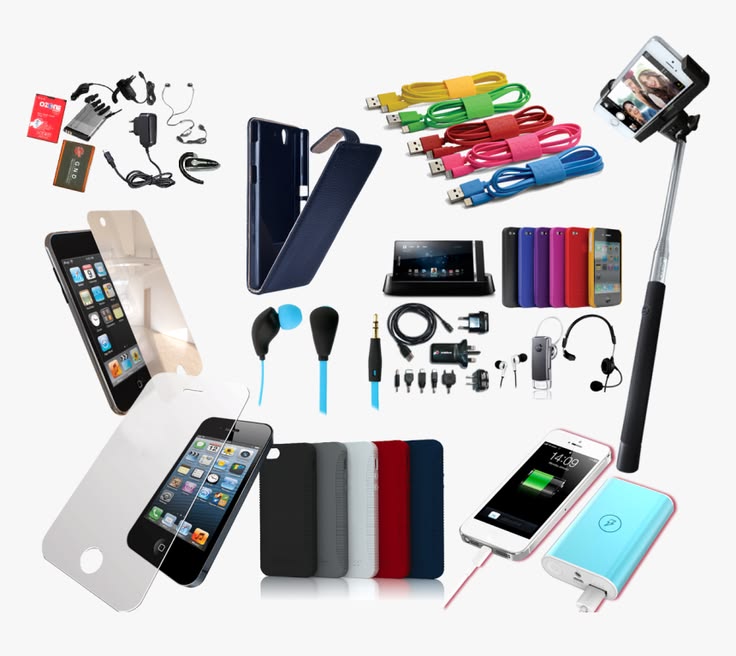
Cell phone accessories
This creates an interesting opportunity for entrepreneurs who want to start a small importation and resale business in Zimbabwe.
The good news is that you do not necessarily need a physical shop to get started. With a small amount of capital, you can import a limited quantity of fast-moving products, sell through WhatsApp, Facebook, Instagram, TikTok, marketplaces and your personal network, and gradually reinvest your profits into additional stock.
In this guide, we explore how you could structure a small phone accessories business with approximately US$100, using phone charging cables and 20W wall chargers as an example.
Why phone accessories can be a good business in Zimbabwe
The biggest advantage of selling phone accessories is that they are consumable and replaceable products.
Unlike some products that customers purchase once and keep for years, accessories can require regular replacement. A charging cable may break, a charger may stop working, a phone case may become damaged or a customer may simply want a new accessory.
Furthermore, accessories are relatively small and lightweight compared with many other products. This makes them potentially attractive for small-scale importers because you can bring in a significant number of units without requiring a large shipment.
Another advantage is that you can start small.
Instead of renting a shop immediately, an entrepreneur can begin by selling from home, through WhatsApp Status, social media pages, workplace networks, friends, family and referrals. Once demand becomes predictable, the business can expand into a kiosk, shop or dedicated online store.
Most importantly, starting small allows you to test the market before committing significant capital.
Can you really start a phone accessories business with $100?
Yes, but there is an important distinction.
US$100 should be viewed as a small test budget rather than a guarantee of a particular profit.
Your actual results will depend on the products you purchase, supplier prices, exchange rates, freight charges, taxes and duties where applicable, transaction fees, product quality, selling prices, damaged stock, marketing costs and the speed at which you sell your inventory.
For this example, let us consider a US$100 budget.
Example starting budget
Total available budget: US$100
Estimated stock budget: approximately US$66
Estimated international shipping allocation: approximately US$34
The original calculation used approximately US$58.65 for stock in order to keep the shipment within an estimated 2kg limit.
With careful sourcing, the example shipment could contain approximately:
29 fast-charging cables
Estimated purchase price: from approximately US$0.60 each
Estimated weight: approximately 30g each
25 × 20W wall plug chargers
Estimated purchase price: approximately US$1.65 each
Estimated weight: approximately 45g each
Estimated combined package weight: approximately 1.99kg
The objective is simple: maximise the amount of sellable stock that can fit within the selected shipping weight.
However, shipping calculations should always be confirmed with your freight forwarder before placing an order because actual charges can differ.
Understanding the potential selling price of phone accessories
Importing is only half of the business.
The real opportunity comes from buying at a competitive price and selling at a price that customers are willing to pay.
For illustration, suppose the products are eventually sold at approximately:
Fast-charging cables: US$5 each
20W wall chargers: US$10 each
Using those illustrative retail prices:
29 cables × US$5 = US$145
25 wall chargers × US$10 = US$250
Estimated total sales revenue = US$395
That is why small accessories can be attractive. The difference between the sourcing price and the potential retail price can be substantial.
However, revenue is not the same as profit.
This distinction is extremely important for anyone starting an importation business.
Revenue versus profit of cellphone accessories business
If your stock generates approximately US$395 in sales, you cannot simply subtract the original product purchase price and call the remaining amount your net profit.
You also need to consider expenses such as:
International freight
Local delivery
Supplier-to-warehouse charges
Payment and transaction fees
Taxes and duties, where applicable
Packaging
Marketing
Mobile data
Local transport
Damaged or defective products
Discounts
Returns and replacements
Marketplace or platform fees
Your own time
For example, if your total landed cost and operating expenses eventually amount to US$100 or more, the actual amount left after selling the stock will be considerably lower than the headline sales figure.
Therefore, the right question is not simply, “How much can I sell this stock for?”
The better question is:
“How much does each product cost me after all expenses, and how much can I realistically sell it for?”
That is the number that determines whether the business makes sense.
How to calculate your true profit
A simple formula can help:
Net profit = Total sales revenue − Total business costs
Your total business costs should include the purchase price, shipping and other expenses associated with getting the product into the hands of your customer.
For example:
Product purchase cost: US$58.65
International freight: approximately US$34
Potential sales revenue: approximately US$395
This would give an initial gross margin calculation before other operating costs.
However, the remaining amount should not automatically be described as your net profit because other expenses may still apply.
This is why successful importers track every dollar spent.
Where can you buy phone accessories from China?
China is one of the world’s largest manufacturing and sourcing markets for mobile phone accessories.
For Zimbabwean entrepreneurs, several online platforms can be explored depending on experience, product requirements, payment options and supplier preferences.
1688
1688 is widely used as a Chinese domestic wholesale marketplace and is known for competitive factory and wholesale pricing.
For entrepreneurs who have access to a reliable purchasing agent or freight-forwarding arrangement in China, 1688 can be an interesting sourcing option.
The major attraction is price. However, the platform is primarily designed for the Chinese market, so beginners may find communication, payment and navigation more complicated.
Alibaba
Alibaba can be more accessible to entrepreneurs who are new to international sourcing.
The platform connects buyers with manufacturers and wholesalers and generally provides more English-language support than Chinese domestic marketplaces.
It can therefore be useful for beginners who want to communicate directly with suppliers, compare quotations and negotiate minimum order quantities.
When sourcing from Alibaba, however, do not automatically choose the supplier offering the lowest price.
Supplier verification, product quality, reviews, order quantities, shipping arrangements and payment protection should all be considered.
How to choose the right phone accessories to import
One of the biggest mistakes new importers make is buying products simply because they are cheap.
Cheap stock is not necessarily profitable stock.
The product must also have demand.
Before placing an order, consider:
What phone brands are popular among your customers?
What accessories are people already asking for?
What products are frequently replaced?
What products have a reasonable markup?
How much competition exists in your area?
How much can your target customer realistically afford?
Can the product survive transportation?
Is the product quality acceptable?
Can you sell the product quickly?
For example, charging cables may have a large potential customer base because they are frequently lost or damaged. Chargers may also be attractive because customers often need replacements.
However, product quality matters.
A cable that stops working after two weeks can result in complaints, refunds and loss of customer trust. Therefore, buying the cheapest possible product is not always the smartest strategy.
Start with fast-moving products
When your capital is limited, avoid spreading your money across too many different products.
Instead, consider starting with a small selection of products and learning what sells.
For example, a beginner could test:
Fast-charging cables
Wall chargers
Screen protectors
Silicone phone cases
Phone pouches
Earphones
Phone holders
Watch bands
Hair accessories
Sunglasses
Small electronic accessories
Once you identify your best-selling products, you can allocate more capital to them.
The objective is to build a repeatable buying-and-selling cycle.
Buy stock → sell stock → recover capital → reinvest → increase stock → increase sales.
That cycle is more important than making a large profit from one shipment.
How to sell phone accessories in Zimbabwe
You do not need a physical shop to start.
In fact, if your starting capital is only US$100, renting a shop could consume a significant portion of your available capital.
Instead, consider starting with low-cost sales channels.
WhatsApp can be one of your most useful sales channels.
Take clear photographs of your products, include prices and specifications, and post them regularly on your WhatsApp Status.
Do not simply post, “Chargers available.”
Tell customers what they are buying.
For example:
20W fast charger available.
Ideal for compatible smartphones.
US$10.
Delivery available at an additional fee.
Message to order.
The clearer the offer, the easier it becomes for customers to make a decision.
Facebook Marketplace and local Facebook communities can also help you reach potential customers.
Post clear product photographs, prices, location and delivery information.
Instagram and TikTok
Short-form video can make ordinary products much more interesting.
Instead of simply showing a charging cable, create a short video demonstrating its features, packaging and compatibility.
You can also create educational content around topics such as:
How to identify a good charging cable
Why cheap chargers can be problematic
How to protect your phone screen
How to choose the right charger
Common mistakes people make when buying phone accessories
This turns your business from simply being a seller into a source of useful information.
Sell where the customers are!
Think beyond the traditional electronics shop.
Potential customers can include:
Students
Office workers
Small businesses
Taxi operators
Drivers
Travellers
Content creators
Online sellers
Shop owners
University students
Young professionals
People who frequently replace phones or accessories
The key is to identify a specific customer group and understand what they need.
How to price your phone accessories
Pricing is one of the most important decisions you will make.
Do not simply copy another seller’s price.
First calculate your landed cost.
For example:
Purchase price + international freight + applicable taxes/duties + local transport + other costs = landed cost.
Then add your desired margin.
You should also research what customers are already paying in your target market.
If similar products are selling for US$8 and your landed cost is US$6, selling at US$12 may be difficult unless you offer something extra such as better quality, convenience, delivery or warranty.
On the other hand, if you can source a good-quality product for US$3 and the market comfortably accepts US$8, you may have a healthier margin.
The goal is not necessarily to be the cheapest seller.
The goal is to offer a product that customers believe provides good value.
The importance of product quality
Phone accessories are particularly sensitive to quality.
A customer may forgive a cheap pair of sunglasses that feels slightly different from expected.
They are less likely to forgive a charger that damages a phone, overheats or stops working shortly after purchase.
Therefore, quality control should be part of your sourcing strategy.
Before placing a large order:
Order samples where practical.
Check product reviews.
Ask suppliers about specifications.
Confirm compatibility.
Test charging cables.
Check charger output specifications.
Inspect packaging.
Ask about defective products and replacement policies.
Do not assume that two products with the same photograph have the same quality.
The importance of shipping weight
Shipping is another critical part of small-scale importing.
A product can appear extremely cheap until shipping is added.
This is why lightweight products can be attractive to small importers.
However, freight companies may calculate charges using either actual weight or volumetric weight, depending on the shipping arrangement.
In simple terms:
Chargeable weight can be based on whichever is higher between actual weight and volumetric weight.
This means a large but lightweight package can sometimes cost more to ship than expected.
For this reason, packaging matters.
Where appropriate, you can ask your supplier or purchasing agent whether unnecessary outer packaging can be removed or reduced.
However, do not remove packaging that protects the product or is necessary for resale.
What if you have less than $100?
You do not necessarily need to abandon the idea.
If your available capital is below US$100, group buying can be one option to explore.
Group buying allows several people to combine orders or share shipping costs, potentially making international sourcing more accessible to people with smaller budgets.
Another option is to start with locally sourced stock.
You can purchase a small quantity from an existing wholesaler, test your ability to sell, and then use the proceeds to fund your first importation.
The important thing is to start with a manageable risk.
You do not need to import a huge shipment to prove that you can sell.
What other products can you import with a small budget?
Phone accessories are only one opportunity.
Depending on sourcing prices, shipping costs and local demand, other lightweight products worth researching include:
Jewellery
Silicone phone cases
Screen protectors
Eyelashes
Tweezers
Hair accessories
Bonnets
Sunglasses
Watch bands
Small fashion accessories
Beauty accessories
The principle remains the same:
Find a product with demand.
Source it competitively.
Calculate the complete landed cost.
Determine the realistic selling price.
Test the market.
Reinvest your profits.
Do not buy simply because something is cheap.
The biggest mistake new importers make
The biggest mistake is often focusing on the buying price instead of the complete business model.
Someone may see a product selling for US$1 in China and assume that selling it for US$5 in Zimbabwe automatically creates US$4 profit.
It does not.
There may be shipping, taxes, transaction fees, local transport, damaged stock, marketing and other costs.
Furthermore, the product may not sell quickly.
Stock sitting in a box is not profit.
Cash flow is therefore extremely important.
A product that gives you a smaller margin but sells within a few days can sometimes be more useful than a product with a large theoretical margin that takes six months to sell.
Think like a business owner, not just a buyer.
Your first goal should be to prove demand.
Your second goal should be to recover your capital.
Your third goal should be to reinvest.
Your fourth goal should be to scale.
Do not wait for the perfect time to start
There is rarely a perfect time to start a business.
You can spend months researching products, suppliers and shipping options without ever making your first sale.
Research is important, but action is what creates real-world information.
Starting with US$100 does not mean you have built a large business.
It means you have created a small experiment.
You are testing:
Can I source this product?
Can I import it at a reasonable cost?
Can I sell it?
Who buys it?
How quickly does it sell?
What price will customers accept?
What quality level do customers expect?
Which product should I reorder?
Once you answer those questions, you have information that is far more valuable than simply reading about entrepreneurship online.
Importation is a business, not a shortcut to guaranteed money
It is important to have realistic expectations.
Importing products from China can create attractive opportunities, but it is not guaranteed income.
You can lose money if you purchase the wrong products, underestimate shipping costs, fail to account for taxes and duties, receive poor-quality products or cannot sell the stock.
You should therefore treat every shipment as a business investment.
Keep records of:
Product cost
Shipping cost
Taxes and duties where applicable
Local transport
Marketing expenditure
Selling price
Units sold
Units remaining
Customer returns
Damaged stock
Gross profit
Net profit
This information will help you make better purchasing decisions with every subsequent order.
Grow and formalise the business
Start small. Learn quickly. Reinvest intelligently. Once you start making money, formally register your company in Zimbabwe. Open a corporate bank account and start filing your ZIMRA returns.
Know what you are buying.
Know your costs.
Know your customer.
Know your selling price.
Know your expected margin.
Final thoughts
A US$100 starting budget will not magically create a successful business. However, it can provide enough capital to test a small product opportunity if the money is allocated carefully. Phone accessories are particularly interesting because they are relatively small, frequently needed and can be sold through multiple channels. Take note that the real opportunity is not simply buying a charger for US$1.65 and selling it for US$10. The real opportunity is developing a repeatable system for sourcing, importing, marketing, selling and reinvesting.
Start small.
Test the market.
Track every expense.
Protect your capital.
Focus on quality.
Listen to your customers.
Then reinvest into the products that actually sell.
Every successful business starts somewhere. Sometimes, that starting point is not a warehouse full of stock. Sometimes, it is simply a small box of products and the decision to stop waiting for the “right time”.
Important disclaimer
The prices and calculations used in this article are illustrative estimates based on the sourcing assumptions provided and should not be interpreted as guaranteed prices, shipping rates or profits.
Actual costs can vary depending on the sourcing platform, supplier negotiations, product grade and quality, order quantity, exchange rates, payment and transaction charges, package dimensions, actual or volumetric weight, freight provider, customs requirements, taxes and duties where applicable, local delivery costs and other expenses.
Shipping charges should always be confirmed with your freight forwarder before purchasing.
Furthermore, the potential selling prices mentioned in this article are examples rather than guaranteed Zimbabwean retail prices. Selling prices vary by location, product quality, brand, competition, customer segment and market conditions.
The purpose of this article is to provide a practical framework for evaluating a small importation business opportunity, not to promise a specific financial return.
Need help starting your business?
If you need assistance with company registration and updates, tax clearance certificates and tax filings, vendor registration, PRAZ registration or other business compliance services in Zimbabwe, you can contact the team for guidance.
Call or WhatsApp: +263 777 069 078 | +263 716 196 475 Email:info@companyregzim.co.zw