Starting a coffee shop business in Zimbabwe involves identifying a demand for everyday items like coffee, tea, and snacks and providing a clear value to your customers. The key to success is offering a quality product combined with a convenient and inviting atmosphere that meets local preferences. Understanding your market and preparing to meet regulatory requirements are essential steps to get your business off the ground.
Market Research and Opportunity Assessment
Before opening a coffee shop in Zimbabwe, you must understand the specific demands of your market. This involves knowing who your customers are, the competition you face, current consumption habits, and choosing the most strategic location for your business.
Identifying Target Customers in Zimbabwe
Your primary customers will likely include urban working professionals, students, and middle-income households who consume coffee and tea regularly. Zimbabweans often combine these drinks with snacks, so consider preferences for local flavours.
Demographics such as age, income, and lifestyle influence buying decisions. Young adults tend to favour specialty coffee and café experiences, while older consumers might prefer traditional brews.
Conduct surveys or informal interviews locally to gauge preferences. This helps tailor your menu and marketing. Remember, convenience and affordability are key factors in customer choice within this market.
Analyzing Local Competition
Evaluate existing coffee shops in your area. Note their pricing, menu variety, customer service, and marketing approaches.
List direct competitors and their strengths and weaknesses. For example:
| Competitor Name |
Pricing |
Offerings |
Strengths |
Weaknesses |
| Café A |
Medium |
Coffee, snacks |
Strong brand, location |
Limited menu variety |
| Shop B |
Low |
Coffee only |
Affordable pricing |
Poor ambiance |
This analysis reveals gaps you can fill, such as introducing unique beverages, better ambiance, or loyalty programs.
Evaluating Coffee Consumption Trends
Coffee consumption in Zimbabwe is growing, especially in urban centers like Harare and Bulawayo. Many consumers favor a mix of local and international coffee styles.
Tea remains popular and often competes with coffee for customer attention. Offering both can increase your appeal.
Monitor seasonal patterns and economic factors affecting disposable income, which influence sales volume. Keeping updated with these trends helps you adapt your offerings and pricing accordingly.
Selecting the Best Location
Location impacts foot traffic and sales volume directly. Prioritize high-visibility areas near offices, universities, or shopping centers like Highlands Park or gated communities like Aspindale Park or Arlington with steady pedestrian flow.Consider accessibility, parking availability, and safety. A spot inside a busy commercial district might command higher rent but attract more customers. All these are key success factors for your offee business.
Company Registration
Starting a coffee shop in Zimbabwe requires careful preparation in planning your business and meeting legal standards. You will need to map out your business model, choose a legal structure, registering for tax with the Zimbabwe Revenue Authority (ZIMRA) , getting an operating license from your local council and comply with government regulations to operate legally.
Developing a Coffee Shop Business Plan
Your business plan should include a clear description of your coffee shop’s concept, target market, and location. Specify the types of coffee and snacks you will offer and how you will price them competitively. Outline your marketing strategy for attracting customers in your chosen area.
Financial projections are essential. Estimate your start-up costs, ongoing expenses, and expected revenue. Include details about equipment, staff salaries, rent, utilities, and initial inventory. Define short-term and long-term goals. This plan will guide your decisions and help secure funding if needed.
Legal Requirements and Permits in Zimbabwe
Before opening, you must obtain the necessary permits and licenses from government agencies. First is registering your company as a Private Limited company or as a Private Business Corporation (PBC). Once the company is registered, the next crucial step is registering for tax purposes with the Zimbabwe Revenue Authority (ZIMRA). Stay compliant with the Value Added Tax (VAT) system if your turnover exceeds the threshold of $2000 per month in sales. Make use of accounting systems like Zoho books or Odoo to capture any business transaction as the Zimbabwe Revenue Authority (ZIMRA) requires you to have records ready for any inspections or audits.
After registering your company with the Registrar of Companies and with the Zimbabwe Revenue Authority (ZIMRA) , you must as well register with your local city council for a busines operating license.
Check on food handling certifications for you and your staff. Failure to meet these legal requirements can result in fines or closure.These steps ensure your coffee shop operates legally from day one.
Company Registration , Tax Clearance Certificates , Vendor Number, PRAZ Registration – Call or WhatsApp +263777069078 | +263716196475 | info@companyregzim.co.zw
Financing Your Coffee Shop
Starting a coffee shop in Zimbabwe requires clear understanding of your financial needs and options. You must assess the initial expenditures, identify viable funding sources, and create a detailed budget to manage your resources effectively.
Estimating Startup Costs
To begin, list all essential expenses like equipment, rent, renovations, inventory, and licenses. Equipment such as coffee machines and grinders can be costly, often accounting for 30-40% of initial costs. Rent varies widely by location, but prime spots generally demand higher fees.
Factor in staff salaries and initial marketing costs. Don’t overlook permits and utility setup fees. Keep a buffer for unexpected expenses, usually 10-15% above your estimated costs.
Use a simple table to track your estimates:
| Expense Category |
Estimated Cost (USD) |
| Equipment |
1,500 |
| Rent (3 months) |
900 |
| Renovations |
700 |
| Inventory |
400 |
| Staff Salaries |
600 |
| Marketing |
200 |
| Permits/Utilities |
150 |
| Contingency (15%) |
600 |
This framework helps you understand the minimum funds required to launch.
Funding Sources in Zimbabwe
In Zimbabwe, funding your coffee shop can come from several places. Personal savings and family support are common starting points. Many entrepreneurs also explore bank loans, but these require a solid business plan and good credit history.
Microfinance institutions offer smaller loans and may have more flexible terms. Crowdfunding is an emerging option if you have a compelling story or community support. Investors or partnerships can provide capital but expect shared control or profit.
Compare terms, interest rates, and repayment conditions before committing. A mix of sources often works best to balance risk and accessibility.
Financial Planning and Budgeting
Create a monthly budget that separates fixed and variable expenses. Fixed costs include rent and salaries, while variable costs cover inventory and utilities. This clarity helps you monitor cash flow and adjust spending when needed.
Maintain separate bank accounts for business and personal finances to track income and expenses accurately. Use financial softwares like Zoho books or Odoo to record transactions and generate reports.
Forecast revenue conservatively, especially in the first year. Plan for slow seasons and factor in reinvestment for growth and equipment maintenance.
Regularly review your budget against actual performance to spot discrepancies early. This discipline improves decision-making and helps you secure future funding if needed. A coffee shop business may go along with other related businesses like having an Ecocash , Innbucks or OneMoney agent line.
Company Registration , Tax Clearance Certificates , Vendor Number, PRAZ Registration – Call or WhatsApp +263777069078 | +263716196475 | info@companyregzim.co.zw
Sourcing Equipment and Supplies
Securing the right ingredients and tools is essential to run a smooth coffee shop operation. You must identify dependable suppliers for your coffee beans, select equipment that suits your scale and menu, and consider sourcing options that balance quality, cost, and sustainability.
Selecting Reliable Coffee Suppliers
Your coffee beans define your product’s quality, so partner with suppliers who deliver consistency and freshness. Look for suppliers offering beans with traceable origins, preferably specializing in Zimbabwe or nearby regions. Request samples before committing.
Also, consider the supplier’s delivery reliability and payment terms. Establish clear agreements on quantities and schedules to avoid shortages. Cultivating good relationships with specialty roasters or local coffee farmers can provide you with unique blends and competitive pricing.
Ensure suppliers comply with any import or food safety regulations in Zimbabwe to avoid legal obstacles.
Choosing Equipment for a Coffee Shop
Start with essentials: a commercial espresso machine, grinders, brewers, and drip coffee makers. The quality and capacity of your equipment depend on expected customer volume.
Other necessary items include refrigerators, blenders, stoves, and sinks for hygiene. Invest in sturdy furnishings like chairs and tables, plus fixtures such as lighting and service counters. Prioritize equipment that is energy-efficient and easy to maintain; service and parts availability locally should influence your choices.
Create a checklist and budget before purchasing. Consider brands with established support networks in Zimbabwe to reduce downtime.
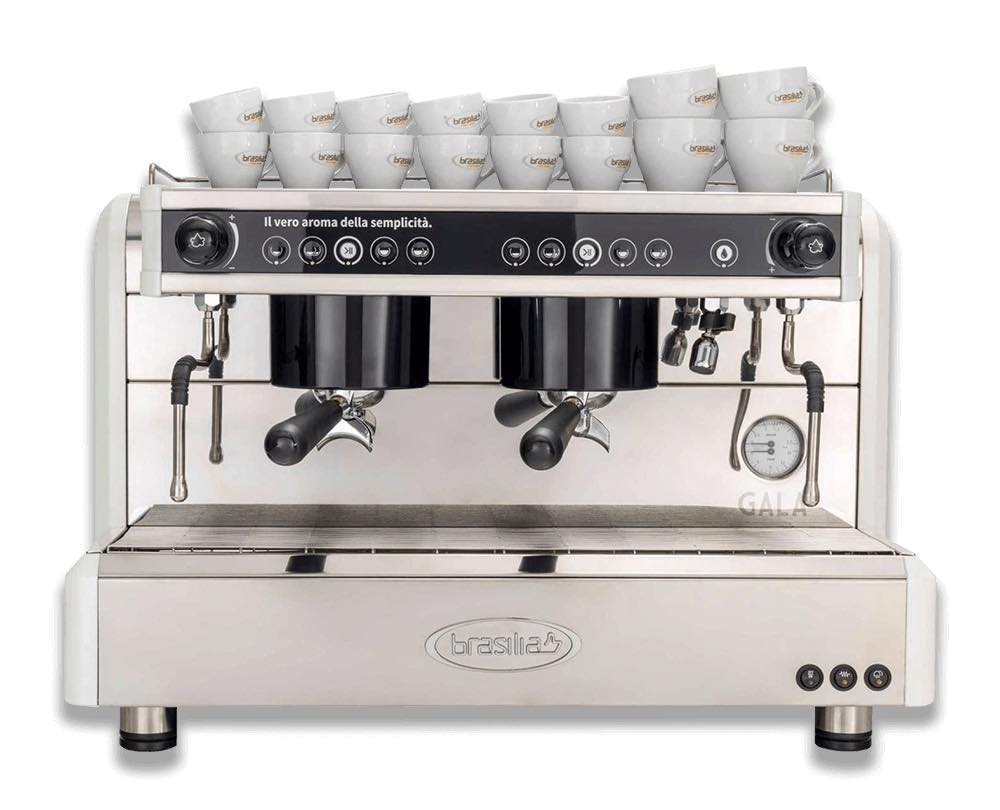
Coffee shop machine
Sustainable and Local Sourcing Options
Sourcing locally whenever possible reduces costs and supports Zimbabwean producers. Look for local suppliers of milk, sugar, and baked goods to keep your supply chain short and fresh.
Implement sustainable practices by choosing suppliers that use eco-friendly farming methods or packaging. Reusable or compostable cups and minimal plastic usage can enhance your shop’s appeal to environmentally conscious customers.
Explore partnerships with community farmers or cooperatives. This not only lowers expenses but also builds goodwill and differentiates your brand in the market.
Menu Development and Pricing
Developing your coffee shop menu requires careful selection of items that appeal to your target customers while considering cost efficiency. Pricing must balance affordability with profitability. You also need to include beverages that resonate with local tastes alongside unique specialty options.
Creating a Unique Menu
Your menu should reflect a mix of familiar and distinctive choices. Focus on quality coffee drinks and related snacks that fit local preferences. Include staple offerings like espresso, cappuccino, and tea, but add a few signature items that set your shop apart.
Use locally sourced ingredients where possible to improve freshness and reduce costs. Consider adding light snacks such as pastries, sandwiches, or traditional Zimbabwean treats. Keep the menu concise to maintain efficiency in preparation and inventory management.
Setting Competitive Prices
Pricing must cover costs and generate a reasonable profit margin, typically between 60-70%. Calculate the cost of ingredients, labor, rent, and utilities before setting menu prices. Take note of competitors’ pricing to remain competitive but avoid underpricing that erodes profit.
You can use tiered pricing to offer basic, premium, and specialty items at different price points. This approach attracts a broader customer base and maximizes revenue. Adjust prices gradually based on market response and operational costs.
Offering Local and Specialty Beverages
Include popular local beverages such as traditional Zimbabwean teas to connect with customers. Introducing specialty drinks like flavored lattes or cold brews can attract niche markets and differentiate your brand.
Offer seasonal or limited-time beverages to create interest and encourage repeat visits. Keep an eye on global coffee trends but tailor offerings to local tastes and ingredient availability to maintain authenticity and appeal.
Hiring and Training Staff
To build an effective team for your coffee shop, focus on clearly defining roles, using targeted recruitment methods, and providing thorough customer service training. These elements will ensure your staff can deliver quality service and maintain smooth daily operations.
Staff Roles and Responsibilities
Define specific roles such as baristas, cashiers, and supervisors. Baristas should master coffee preparation and equipment maintenance. Cashiers handle transactions and basic customer interaction. Supervisors oversee daily operations, manage schedules, and resolve issues.
Assign clear tasks to avoid confusion. For example, baristas focus on drink quality and hygiene, while supervisors handle inventory and staff coordination. This clarity improves efficiency and accountability in your coffee shop.
Recruitment Strategies
Look for candidates with relevant experience or a strong interest in coffee culture. Use local job boards, social media, and word-of-mouth to find talent. Interviews should assess both skills and attitude toward customer service.
Consider offering internships or trial shifts to evaluate candidates practically. Focus on soft skills like communication, punctuality, and reliability, which are crucial for a busy coffee environment.
Customer Service Training
Train your team in greeting customers warmly, understanding menu items, and handling complaints calmly. Role-playing scenarios help staff practice responses to various situations.
Incorporate basic product knowledge and upselling techniques. Consistent training on cleanliness, efficiency, and teamwork will enhance the customer experience and encourage repeat business.
Company Registration , Tax Clearance Certificates , Vendor Number, PRAZ Registration – Call or WhatsApp +263777069078 | +263716196475 | info@companyregzim.co.zw
Marketing Strategies for Coffee Shops
To grow your coffee shop in Zimbabwe, focus on creating a distinctive identity, leveraging online channels, and connecting with your local community. These elements will help attract customers and build loyalty in a competitive market.
Branding Your Coffee Shop
Your brand should clearly reflect what makes your coffee shop unique. Start by defining your Unique Selling Proposition (USP)—this could be specialty Zimbabwean coffee blends, sustainable sourcing, or a cozy atmosphere.
Design a memorable logo and consistent colour scheme that appeals to your target customers. Use signage and packaging that tell your story.
Be consistent across all touchpoints. This includes your shop’s interior design, online presence, and marketing materials. Consistent branding builds trust and helps customers recognize your business quickly.
Social Media Promotion
Social media is a cost-effective way to reach a broad audience. Create active profiles on platforms popular in Zimbabwe, like Facebook, Instagram, and WhatsApp.
Share photos and videos of your coffee, events, and behind-the-scenes moments. Use local hashtags and geo-tags to increase visibility.
Engage followers by running promotions, contests, or loyalty rewards exclusive to social media users. Respond quickly to comments and messages to build rapport.
Consider partnering with local influencers for wider reach. A well-maintained social presence drives foot traffic and strengthens customer relationships.
Community Engagement Initiatives
Embedding your coffee shop within the local community helps build loyal customers. Host events like coffee tastings or live music nights that reflect local culture.
Collaborate with nearby businesses for cross-promotion opportunities. Sponsor local initiatives or charities to boost your reputation and demonstrate commitment.
You can also create a customer loyalty program that rewards frequent visitors, encouraging repeat business.
Stay involved in community conversations to adjust your offers and service based on customer needs and preferences. This creates a meaningful connection beyond just selling coffee.
Operational Management
Managing your coffee shop daily requires efficient workflows, precise control over stock, and adherence to local health standards. These components help ensure smooth service, minimize waste, and keep customers safe.
Daily Operations and Workflow
You should design a clear workflow starting from opening to closing. Assign staff specific roles such as barista, cashier, and cleaner to avoid task overlap.
Establish routines including prepping coffee machines, grinding beans fresh each day, and regular equipment checks. Track peak hours and adjust staff shifts accordingly to maintain service speed.
Use a point-of-sale system to record transactions for accuracy and convenience. Keep communication channels open between front and back of house to resolve issues quickly.
Inventory Management
Track your stock of coffee beans, milk, sugar, and snacks accurately to prevent shortages or overbuying. Use a simple inventory system where you record usage daily and reorder based on minimum thresholds.
Plan orders with local or international suppliers to avoid delays. Store ingredients in appropriate conditions; for instance, coffee beans need airtight containers away from heat and moisture.
Monitor expiry dates especially for perishables like milk and baked goods. Regularly review sales data to identify fast-moving and slow-selling products and adjust purchasing accordingly.
Health and Safety Compliance
You must comply with Zimbabwe’s health regulations by securing necessary permits before operation. Train your staff on hygiene practices such as handwashing and proper food handling.
Maintain clean surfaces, equipment, and restrooms. Dispose of waste regularly to prevent pest infestations. The layout should allow safe movement and avoid contamination risks.
Regularly inspect and service electrical appliances to prevent hazards. Keep records of health inspections and any corrective actions taken to demonstrate compliance when required.
Scaling and Expanding Your Business
Growing your coffee shop in Zimbabwe requires strategic planning and careful execution. You need to evaluate which opportunities will bring sustainable growth, consider franchising carefully, and innovate with new products or services that meet your customers’ evolving needs and local preferences.
Assessing Growth Opportunities
Start by analyzing your current market position and operational capacity. Look for untapped customer segments, such as offices, universities, or shopping centers nearby. Use sales data and customer feedback to identify what drives demand and where you can scale efficiently.
Evaluate your financial readiness by reviewing cash flow, profit margins, and potential investment sources. Consider how expanding your space or opening a new outlet will impact your staff, supply chain, and customer service. Avoid expanding too fast, which can strain resources and reduce quality.
Franchising in Zimbabwe
Franchising can accelerate growth, but you must establish a solid, replicable business model first. Develop clear Standard Operating Procedures (SOPs) covering everything from quality control to customer service.
Legal requirements for franchising in Zimbabwe include registering your franchise, protecting your brand, and ensuring compliance with local business laws. Evaluate potential franchisees carefully to maintain your brand reputation and operational consistency. Training and ongoing support are crucial for franchise success.
Introducing New Products and Services
Diversify your offerings based on customer preferences and trends. You might add locally sourced snacks, seasonal drinks, or healthier menu options. Sustainability-focused items can attract environmentally conscious customers.
Consider introducing services like online ordering, delivery, or loyalty programs. Use customer data to tailor promotions and improve your marketing. Introducing new products or services gradually allows you to measure impact and adjust without overwhelming your operations.