Archives 2025

Innbucks agent line requirements + commissions

Innbucks Agent Line Requirements + Commissions Explained: What You Need to Know

Becoming an InnBucks agent requires meeting specific criteria that ensure the safety and efficiency of transactions. Agents need to have a secure system ready to integrate with InnBucks’ platform and must register through the official application process. This setup allows them to handle cash in, cash out, and other financial services reliably.

Innbucks agents earn commissions of 0.05% for deposit and 0.05% for cash withdrawals as well.  InnBucks is steadily gaining ground, with its footprints being seen on all Chicken Inn outlets. They also maintain strong security standards to protect both agents and customers, making this an attractive opportunity for those seeking to grow their business through financial services.

Innbucks agents

Innbucks agents

Key Takeways

  • Agents must register  join the InnBucks network.
  • Commissions are paid cash deposits and withdrawals.

Overview of Innbucks Agent Line

Innbucks agents serve as key points for financial services distribution within Zimbabwe. They help expand Innbucks’ reach while providing convenient access to fintech solutions for many people. Agents must meet specific requirements and follow clear roles to support the network effectively.

What Is an Innbucks Agent?

An Innbucks agent is a registered business or individual authorized to conduct financial transactions on behalf of Innbucks. They handle services like cash deposits and withdrawals on the Innbucks platform. It is one of the businesses that we recommend you to start if you have limited capital. 

To become an Innbucks agent, one needs  the following:

Below are the requirements of becoming an InnBucks registered agent/having a company account:
-Possession of a Valid Business Licence-
-Certificate of Incorporation
-CR14/CR6
-CR6/CR5
-CR11
-Memorandum and Articles of Association
-Tax Clearance
-Board Resolution Letters
-Passport Photos, ID Copies, Proof of residence
-Operating Licence
-Operating at a permanent Business premise and a Valid Lease Agreement
If you meet the requirements, kindly send an email to merchants@innbucks.co.zw

Get in touch with us for company registration and Tax Clearance  services. WhatsApp or call us on +263716196475 | info@companyregzim.co.zw 

Role of Innbucks Agent in the Zimbabwean Fintech Ecosystem

Innbucks agents act as the physical link between digital financial services and customers. They provide access in areas where banks or ATMs might be scarce. This role is vital for promoting financial inclusion in Zimbabwe.

Agents earn commissions by facilitating cash in and cash out. This incentivizes them to maintain high service levels. They also help build customer trust in Innbucks by offering in-person support.

By operating under strict RBZ rules, agents help uphold the security and reliability of fintech operations. More information on becoming an agent can be found on the InnBucks agent requirements page.

Requirements to Become an Innbucks Agent

Becoming an Innbucks agent involves meeting specific criteria, submitting required documents, and following regulations set by authorities. These steps ensure agents operate legally and effectively. Agents must understand the standards to start offering services like cash in and cash out.

Eligibility Criteria

An applicant must be at least 18 years old to qualify as an Innbucks agent. They should have a valid form of identification, such as a national ID or passport, to prove their identity. Agents are expected to have a fixed business location or an established point of contact where services will be offered.

Documentation Needed

For one to register as an Innbucks agent, below are the requirements of becoming an InnBucks registered agent
-Possession of a Valid Business Licence- obtainable from your nearest local authority.
-Certificate of Incorporation
-CR14/CR6
-CR6/CR5
-CR11
-Memorandum and Articles of Association
-Tax Clearance
-Board Resolution Letters
-Passport Photos, ID Copies, Proof of residence
-Operating Licence
-Operating at a permanent Business premise and a Valid Lease Agreement
If you meet the requirements, kindly send an email to merchants@innbucks.co.zw

Frequently Asked Questions

Agents must meet specific qualifications and follow clear steps to join the InnBucks network. Earnings depend on the type and volume of transactions handled. Several rules apply to cross-border transfers and service offerings.

How much commission can an InnBucks agent earn on transactions?

Agents earn commissions on deposits of 0.05% and withdrawals of 0.05% . The final sum someone can make per month now depends on the volumes of transactions an agent does.

Are there any transaction limits for InnBucks agent when sending money to Zimbabwe?

Yes, limits exist to comply with regulatory rules. These limits depend on the transaction method and customer account type. Agents must ensure transfers do not exceed set thresholds.

Can InnBucks agent provide mobile money loan services?

InnBucks agents primarily handle deposits, withdrawals, and payments. Loan services are typically managed by the bank or its partners, not directly by agents.

What are the steps to collect money through an InnBucks agent?

The recipient must provide valid identification and transaction details. The agent verifies the information before releasing funds. Agents follow strict protocols to ensure secure and accurate payment delivery.

More details about becoming an agent are available on the InnBucks Agents page.

Can I make money as an Innbucks Agent?

This is one of the commonly asked questions we get from our customers. The amout of money you can make is determined mainly by your transaction volumes, your costs in providing the service and if you any other business you may be doing besides being an Innbucks agent.

Other businesses to pursue besides being an Innbucks agent:

Starting a tuckshop

Being an Ecocash agent

EcoCash Agent: your comprehensive guide to having an agent line

Ecocash Agent kiosk

Are you a Zimbabwean entrepreneur looking to diversify your income streams and play a vital role in your community’s financial ecosystem? Becoming an EcoCash agent offers a compelling opportunity. EcoCash, Zimbabwe’s leading mobile money platform, connects millions of users, and agents are crucial for facilitating transactions.

Disclaimer: The content within this guide is intended solely for general informational purposes. While we strive for accuracy, we encourage you to reach out directly to the brands or companies featured for any specific inquiries, up-to-date information, or personalized assistance.

But what exactly are the requirements for an EcoCash agent line? Many aspiring agents find themselves asking this very question. This blog post will break down everything you need to know, from documentation to float requirements, ensuring you’re well-prepared for your application.

Why Become an EcoCash Agent?

Before diving into the specifics, let’s quickly touch on the benefits. As an EcoCash agent, you become a central point for cash-in, cash-out, bill payments, and other mobile money services. This not only generates commissions for your business but also drives foot traffic to your premises, potentially boosting sales of other goods or services. It’s a win-win for both your business and the community you serve, especially in areas where traditional banking services might be limited. Being an Ecocash agent is one of the businesses you can start with low capital. 

Ecocash Agent kiosk

Ecocash Agent kiosk

The Essential Requirements for an EcoCash Agent Line: A Checklist

To ensure a smooth application process, gather the following documents and fulfill these conditions. Please note that all copies of documents must be certified by a commissioner of oaths.

I. Business & Legal Documentation:

  1. Certified Certificate of Incorporation/Registration Certificate/Trust Deed: This is crucial proof of your business’s legal existence. Whether you’re a private limited company, a trust, or a registered sole proprietor, you’ll need the official registration document.
  2. Company Summary (for Companies): If you’re a registered company, the Company Summary document, which lists the company’s directors and secretaries, is a mandatory requirement.
  3. Certified Trading License: Proof that your business is legally permitted to operate and conduct commercial activities in your locality. This is often issued by your local city council or relevant authority (e.g., Harare City Council, Bulawayo City Council).
  4. Certified Proof of Address for Business Premises: A utility bill (ZESA, ZINWA), council rates bill, or lease agreement in the company’s name, dated within the last three months, showing the physical address of your business location.

Get in touch for company registration services. WhatsApp or call us on +263716196475 | info@companyregzim.co.zw 

II. Director/Executive/Trustee & Personal Documentation:

  1. Certified IDs of at least 2 Directors/Executives/Trustees: Clear, certified copies of national identity documents for the key individuals overseeing the business.
  2. Passport Photos of at least two Directors/Executives/Trustees: Recent, clear passport-sized photographs.
  3. Proof of Address of at least two Directors/Executives/Trustees: Similar to the business premises proof, utility bills or bank statements (not the company’s main one) for the residential addresses of the directors/executives.

III. Financial & Operational Requirements:

  1. 1st page of the company Bank statement showing name: This demonstrates your business’s active banking relationship and official company name. Ensure the account name matches your registered business name.
  2. Tax Clearance Certificate: Issued by the Zimbabwe Revenue Authority (ZIMRA), this proves your business is compliant with tax obligations.

Get in touch with us for Tax Clearance registration services: +263716196475 | info@companyregzim.co.zw 

Tax Clearance Certificate

Tax Clearance Certificate

 3. Letterhead Instruction Authorizing Creation of the Account: A formal letter on your company letterhead, clearly instructing EcoCash to open an agent account, and signed by authorized signatories.

IV. EcoCash Specific Forms & Float:

  1. Franchise Agreement + Mandate + Indemnity Form, Beneficial Ownership Form (Provided by EcoCash): These are critical legal documents provided directly by EcoCash. You will receive these during the application process and will need to complete and submit them. They outline the terms of your agency, your responsibilities, and the legal framework of your partnership with EcoCash.
  2. Float Required: This is the initial capital you need to start transacting. It ensures you have sufficient funds (both cash and e-value) to facilitate customer transactions.
    • Urban Agents: USD$1000 (comprising USD$500 cash and USD$500 e-float)
    • Rural Agents: USD$500 (comprising USD$250 cash and USD$250 e-float)
    • Remember: This float allows you to facilitate cash-in and cash-out services effectively. Having adequate float is crucial for good customer service and maximizing your earnings

Requirements to be an Ecocash agent in a nutshell

Here is a final checklist for the requirements to be an Ecocash agent:

1. Passport photos of at least two Directors/Executives/Trustees

2. Certified proof of address for business premises

3. Certified trading license

4. Certificate of Incorporation/Registration Certificate/Trust Deed

5. Certified IDs of at least 2 Directors/Executives/Trustees

6. Company profile for registered companies

7. Certified CR14

8. Proof of address of at least two directors/Executives/Trustees

9. Letterhead instruction authorizing creation of the account.

10. 1st page of the company Bank statement showing name

11. Tax clearance certificate

12. Memorandum of Association

13. Franchise Agreement + Mandate + Indemnity Form, Beneficial Ownership form (Provided by

EcoCash)

14. Float required:

Urban USD$1000 ($500 cash, $500 e-float)

Rural USD$500 ($250 cash, $250 e-float)

Next Steps After Gathering Your Documents

Once you have meticulously gathered all these requirements for an EcoCash agent line, your next step is to approach your nearest Econet shop, since Ecocash is an affiliate of Econet. They will guide you through the submission process and any additional steps required.

Becoming an EcoCash agent is a fantastic opportunity to contribute to financial inclusion in Zimbabwe while growing your business. By carefully preparing all the necessary documents and understanding the float requirements, you’ll be well on your way to becoming a key player in the country’s vibrant mobile money landscape.

Businesses you can start with $1000 in Zimbabwe

Are you an aspiring entrepreneur in Zimbabwe, eager to start your own business but limited by capital? The good news is that you don’t need a massive investment to turn your business dreams into reality! While the idea of launching a successful venture with a tight budget might seem daunting, Zimbabwe’s dynamic economy actually offers a surprising array of opportunities for resourceful individuals.

This blog post is your ultimate guide to discovering profitable  businesses you can start with $1000 in  Zimbabwe. We’ll explore innovative ideas, practical tips, and key considerations to help you navigate the local market, maximize your limited funds, and lay the foundation for a thriving enterprise. Get ready to transform your ambition into a tangible business success story!

Disclaimer: The content within this guide is intended solely for general informational purposes. While we strive for accuracy, we encourage you to reach out directly to the brands or companies featured for any specific inquiries, up-to-date information, or personalized assistance.

1.Ecocash/OneMoney/Innbucks agent

Ecocash Agent kiosk

Startup Cost: $500–$1,000 Potential Monthly Profit: $200–$600

With a mobile penetration rate of 96% (Potraz 2023), becoming an Ecocash or OneMoney agent is one of the most lucrative businesses in Zimbabwe. Almost every Zimbabwean with an Econet line is registered on Ecocash, making this a recession-proof venture. 

How to Start:

To begin, register as an agent with mobile money services like EcoCash, OneMoney, or Innbucks.  This allows you to faciliate registrations of  users on EcoCash, OneMoney, or Innbucks. These agents make money through facilitating cash in or out and they receive a commission. The commission rates differ with service provider to service provider.  For example, with Innbucks, for deposits the commission is 0.05% and for withdrawals it is 0.05%. OneMoney gives a commission rate of 1.5% and Ecocash gives a commission of 1.2%.  Here is a simple Math-

Assumptions:

-You do Ecocash transactions of at least $2000 per day = $24 per day by 30 days = $720 per month

-You do OneMoney transactions of at least $500 per day = $7.50 per day = $225 per month.

-You process Innbucks transactions of $500 per day which is $0.25 = $7.50 per month.

In total, you will get $952 in commissions.

 As a registered agent, it will make more sense if you register as an airtime dealer as well. Once you become a registered airtime dealer, you can purchase at discounted rates, typically offering an 8–12% profit margin. You can sell through WhatsApp groups, Facebook Marketplace, or set up a small roadside stall. Additionally, partnering with tuck shops can help expand your distribution network. If funds permit, you can start your own tuckshop using this guide. 

Pro Tip: Target high-traffic areas like Mbare bus terminus or Mbare Siyaso  markets to maximize sales.

An important point to note is that to be a registered Ecocash or Innbucks agent, you must have a registered company and a Tax Clearance certificate. 

Get in touch with us for all your Company Registration and Tax Clearance certificate. Call or WhatsApp us: +263716196475 | +263777069078

Remember to check our guides to become these agents. 

2. Home-Based Catering and Food Business

Local catering business


Startup Cost: $600–$900 Potential Monthly Profit: $300–$800

The demand for homemade food is increasing, particularly among students and working professionals. A home-based catering business allows you to start small and scale up as you build a loyal customer base.

Best-Selling Products:

Homemade peanut butter (supplied to supermarkets and local shops)

Baked goods like cakes, muffins, and scones (popular in offices and schools)

Pre-packaged meals for busy professionals

How to Start:

Obtain a food handling certificate from your local City Health Department.  Use WhatsApp  and Facebook to market your products. Start by selling to friends, family, and nearby businesses, then grow through word-of-mouth referrals.

Example: A home-based baker in Harare may approximately $500/month supplying muffins to local offices or high rise buildings.

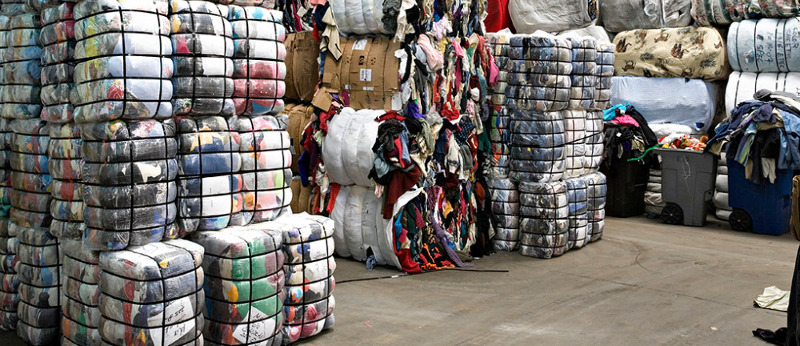
3. Second-hand Clothing (Mabhero) Business

Start-up Cost: $800–$1,000 Potential Monthly Profit: $400–$1,000

Zimbabwe imports over $50 million worth of second-hand clothing annually (ZIMSTAT). The demand for affordable, quality clothing remains high, especially in urban and peri-urban areas.                                                                                                                                                                                          How to Start:

You can source second-hand clothing bales from South Africa (Beitbridge) or local suppliers. Selling at flea markets like Mbare and Gulf Complex or through Facebook Marketplace can generate significant profits. Focus on school uniforms, workwear, and trendy fashion to maximize sales.

Pro Tip: Attend wholesale clothing auctions in Harare to get the best deals.

GetResponse AI Course Creator

4. Solar Products Reselling

Startup Cost: $700–$1,000 Potential Monthly Profit: $300–$700

With frequent power cuts in Zimbabwe, solar products are in high demand, particularly in rural and high-density suburbs.

Best-Selling Products:

Portable solar lights ($15–$30)

Solar phone chargers (popular in off-grid areas)

Small solar panels for TVs and radios

How to Start:

Import solar products from Alibaba or buy locally from suppliers like T&C Gas Accessories. Market through WhatsApp groups and local community networks to reach potential buyers. Better yet, hire a Digital Marketing Agency like City Cloud to help you build your online shop and manage your social media accounts. 

Profit Margin: 30–50% per unit.

The fastest way to grow your business will be offering your solar products to the civil servants on credit via SSB or to start participating in government tenders. To make this possible, you will need a registered company, Tax Clearance certificate among other crucial documents. 

For assistance with Company Registration and Tax Clearance Certificate, call or WhatsApp Us: +263716196475 | +263777069078

5. Freelance Digital Services

Startup Cost: $200–$500 (laptop + internet) Potential Monthly Profit: $300–$1,500

The digital economy is booming in Zimbabwe, with businesses increasingly relying on freelancers for services like graphic design, social media management, and content writing.

Top Services in Demand:

✔ Graphic Design (logos, flyers, business cards)

 ✔ Social Media Management (for SMEs) 

✔ Content Writing (blogs, product descriptions)

How to Start:

Learn skills through platforms like YouTube, Alison, or Udemy and join Zimbabwe Freelancers Group on Facebook for job opportunities.

Should you have multiple clients, see how you can accurately bill them by using billing tools like Zoho Books or Odoo. 

6. Poultry Farming (Roadrunner Chickens)

Startup Cost: $800–1,000 | Potential Monthly Profit: $400–900

Detailed Costs for 100-Day-Old Chicks:

Item

Cost (USD)

100 day-old chicks

$200–300

Feed (6 weeks)

150–200

Vaccines/Medications

$50

Brooder (heating/light)

$100

Total

$500–650

Suppliers:

Chicks: Irvine’s Zimbabwe 

Feed: National Foods 

7. Phone and Laptop Repairs

Startup Cost: $900–$1,000 Potential Monthly Profit: $500–$1,200

With over 14 million mobile users in Zimbabwe (POTRAZ), phone repairs are always in demand.

How to Start:

Learn repair techniques through YouTube tutorials (e.g., “iPad Rehab“), purchase tools and spare parts from AliExpress or local suppliers such as Gulf Complex in Harare, and upsell accessories like phone cases and screen protectors.

8. Homemade Cleaning Products

Startup Cost: $600–$800 Potential Monthly Profit: $300–$700

Affordable cleaning products are always in demand, especially for households, schools, and clinics.

Best-Selling Products:

✔ Liquid soap (cost: $0.50, sells for $2)

✔ Disinfectants (high demand post-COVID)

How to Start:

Buy raw materials from duty-free shops and supply them to institutions and supermarkets.

Example: A Harare woman earns $600/month selling homemade detergent.

Turn leads into sales with free email marketing tools (en)

9.Blogging and Affiliate Marketing

Startup Cost: $100–$300 (domain + hosting) Potential Monthly Profit: $200–$5,000 (long-term)

Blogging and affiliate marketing offer long-term income potential, especially in lucrative niches like business ideas and product reviews.

How to Start:

  1. Purchase a domain name– Secure your domain through https://citycloud.host/billing/register.php . Check out this video guide for step-by-step instructions. 

Set up your website– Use WordPress for an easy, professional setup.

  1. Optimize with SEO– Grow traffic by targeting the right keywords and creating quality content.
  2. Monetize your blog– Earn through Google Ads and affiliate links from brands like Deriv, Alison Courses or Get Response.

10. Mobile Car Wash

Startup Cost: $800–$1,000 Potential Monthly Profit: $400–$900

A mobile car wash is an excellent venture for high-density suburbs where traditional car wash services are limited.

How to Start:

  1. Invest in quality equipment– Get pressure washers and eco-friendly cleaning solutions for efficient and safe cleaning. You can find hover vacuums and other car cleaning tools at a very cheap price on  Mutare Mart website. 
  2. Market your services– Promote through WhatsApp car owner groups for direct outreach.
  3. Offer competitive pricing– Create package deals to attract customers and build loyalty.

In conclusion, those are our top picks for the businesses you can start with less than a $1000 in Zimbabwe. Pick one that you are interested in, get started now and correct your mistakes as you go by. We will close this write up by quoting the words of David and Stephanie from their book Build a Business, Not a Job – 

“The final action step is to simply get started—now—today. The time will never be just right. Any delay just costs you momentum. So just jump in and get started. You don’t need a perfect start; you just need to get moving. You’ll figure out refinements and learn lessons along the way. But you need to get started now.”

Finkel, David; Harkness, Stephanie. Build a Business, Not a Job: Grow Your Business & Get Your Life Back (p. 195). (Function). Kindle Edition.

How to apply and win tenders in Zimbabwe this 2026

01


INTRODUCTION

How to apply and win tenders in Zimbabwe this 2024

Here is a step to step guide on how to apply and win tenders in Zimbabwe this 2024. This is what they will not teach you in college or any school of business. To apply and win tenders, just make sure: you have a registered company, a valid Tax Clearance Certificate, PRAZ certificate, NSSA certificate, a vendor number, a detailed company profile, signed recommendation letters and follow the few other tricks that we’ll layout in this guide. Applying and winning tenders is as easy as copy and paste.

What is a tender?

In the first place, you may wanna know what a tender is? In simple terms, a tender is a formal request by a certain company to get a specific supplier to carry out a specific task or deliver certain goods , at a stated place and within a specific time frame. Please take the word specific time frame religiously! Most companies do not win tenders simply because they do not state their delivery period. Go through this document so you can learn how to apply and win tenders in Zimbabwe.

How much can I get from a tender?

By no doubt, a tender means big money! Whilst there is no specific amount of how much you can earn from winning a tender, be guided accordingly by these minimum thresholds:

(i) Goods- USD 10 000 or equivalent at bank rate.

(ii) Services – USD 5 000 or equivalent at bank rate.

(iii) Works (such as renovations, construction) USD 20 000 or equivalent at bank rate.

This is in accordance with the Procurement Regulatory Authority of Zimbabwe (PRAZ). The amount you can get if you apply and win a tender differs. Some tenders may give you upto USD 100m. At some point, you can win a tender for supplying say stationery or toiletries for the whole year. Imagine supplying toiletries to Zimbabwe Electrical Supply Authority (ZESA) or supplying stationery to NetOne. Winning a tender means big money!

Where to get tenders?

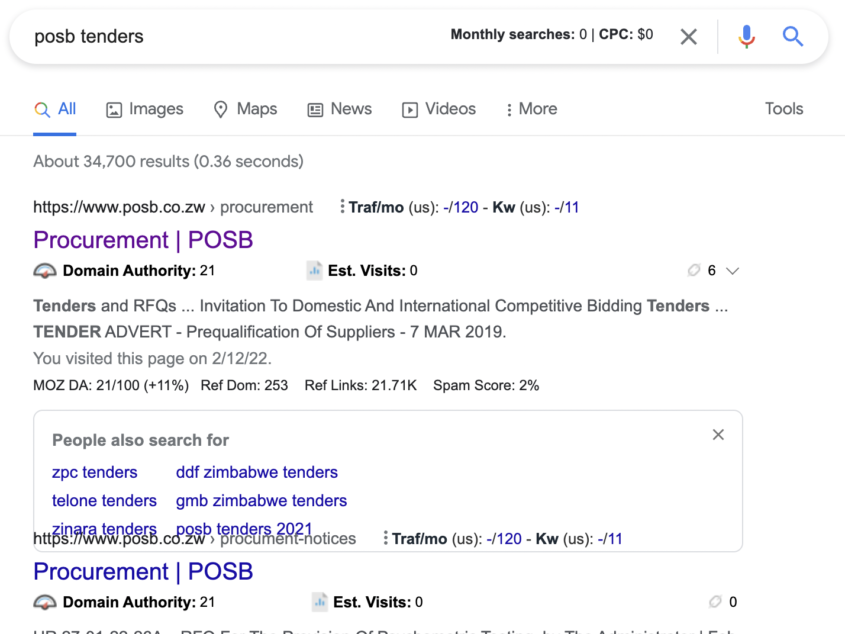
Approximately, hundreds and hundreds of tenders are being flighted on the local press. Most of them are flighted in the Sunday Mail, Thursday Herald or Financial Gazette. Those willing to apply for government tenders, you can check the Government Gazette as well. Due to technological advancements, you can also get tenders from corporate websites, other tender-listing websites like: www.tendernoticeboard.co.zw or https://tendertube.co.zw/ etc. To check tenders on a company website, just type the name of the company + tenders. Example: Zinara Tenders or POSB tenders. Other companies are just putting a very short advert in the press and share a link to their website for full details.

POSB Tenders

02


STEPS TO WIN A TENDER

What are the steps in applying for a Tender?

To apply and win tenders, you have to:

(i) thoroughly read the tender and see if it’s applicable to your line of speciality. Some tenders maybe marked as domestic tenders and that means the tender is open to the residents of that specific region only. For example, Buhera Rural District council can flight a domestic tender that is limited to Manicaland Province companies only.

(ii) check if the tender is still valid and whether you can or cannot meet the delivery period. If you come across a tender with a tight deadline that you cannot meet, you better leave it. We however advise you to try all the possible means to increase your workforce, capital or any other economic resource in the short run so you can deliver.

03


INTRODUCTION

Documents required to apply and win tenders.

Here is a list of the documents that will be required when applying for a tender in 2024. Note that this list shares the common documents that are requested. At some point in time, there may be extra documents required or some documents we have listed below may not be required.

1. Company registration documents

These documents are a prerequisite when applying for a tender. They include Certificate of Incorporation, CR 5, CR 6, Memorandum and Articles of Association. Companies that were registered before February 2020 may show CR 6 and CR 14 instead of CR 5 and CR 6 respectively. Of you do not have Company Registration documents, please get in touch with us :+263716196475 | +263777069078. Check more about why you must register a company here… We advise you to make sure that all shareholders and directors’ details are upto date. Should you need any changes to your company registration documents, please get in touch as well.

2.Tax Clearance Certificate

This is another prerequisite when applying for tenders. A tax clearance certificate shows that you are paying your taxes to the government. If you don’t have a Tax Clearance Certificate, it means you will lose 30% of your earnings as Withholding tax by the government. Example, you wanna sign a deal of 100 000 but you do not have a Tax Clearance Certificate, it means you’ll lose $30 000. In most instances, you’ll lose the deal entirely of you do not have a tax clearance certificate. If you do not have a tax clearance certificate, please get in touch with us so we can process one for you. Remember to check our document on how to obtain a Tax Clearance Certificate in Zimbabwe…

3.Business bank account

This is where your funds will be deposited once you win the tender. At no point in time will a tender be awarded to a company without a bank account. Check out how you can open a corporate bank account in Zimbabwe here. Make sure you type the correct account number and branch codes when applying for a tender. Mistakes are costly. Do things right at the first time.

4. PRAZ Registration.

The Procurement Regulatory Authority of Zimbabwe (PRAZ) is the arm of the government that governs how tenders are flighted, selection process etc. When applying for government tenders, PRAZ Registration is a prerequisite. Register for PRAZ here…

5. Vendor Number

If you want to apply and win tenders from the government, you are obliged to have a vendor number. You maybe wondering what a vendor number is? It’s a unique code, usually 5-digits that you’re assigned by the Ministry of Treasury. It’s use of for you to get paid by the Ministry of Finance whenever you have supplied something to the ministry. We covered the vendor number application process on this blog.

6. Detailed company profile.

A detailed company profile helps you stand out from the crowd! Make sure you keep your Company profile updated to reflect the requirements of the specific tender.There is no one size fits all in business. What must be included in the company profile: Company name, physical address, phone numbers, email address, list if products and services on offer, key projects you have done, details of key personnel and their qualifications, payment details (bank account, branch code etc). Make sure you document whatever is necessary as per tender requirements. The art of winning tenders is by following instructions like you’re carrying arm orders. In case your company profile is not updated, get in touch with City Cloud Private Limited. They’re the best web and graphic designing agency we have dealt with so far.

7. Trade references.

From our experience, to apply and win tenders, you must have trade references that are signed and stamped. Trade references serve the purpose of making sure you have supplied the same items before. They help you become more authentic and increase your chances of winning the tender. Make sure the contacts on your trade references are reachable.

8.NSSA Certificate:

A NSSA Clearance Certificate is a certificate issued by the National Social Security Authority [NSSA] to registered employers liable for NSSA contributions, under any of the Acts administered by the National Social Security Authority. The certificate is issued upon request from employers whose contribution accounts are up-to-date or has made alternative debt settlement arrangement with NSSA.

 What are the benefits of NSSA Clearance Certificate?

NSSA Clearance Certificate is required when bidding for tenders.

It acts as an assurance that, the trading partner’s employees are adequately covered by social security schemes as enshrined under Section 12 of the Accident Prevention & Workers’ Compensation Scheme SI 68 of 1990.

A NSSA Clearance Certificate is a pre-requisite when applying for licences issued by local authorities.

Business counterparts have confidence in doing business with companies who are compliant to statutory obligations

What is required to obtain a NSSA Clearance Certificate?

The Employer’s account must be up-to-date in terms of contributions & premiums.

Employers with outstanding legacy debt, must make alternative debt settlement arrangement, approved by NSSA.

The Employer must furnish all statutory returns particularly P4 return or make satisfactory arrangements with NSSA for the furnishing of such returns.

Contact our team if you need assistance with NSSA Certificate: +263716196475 | +263777069078

9.Bid Security

It is also known as a bid bond. This is a refundable fee that you pay as a security. This is done to avoid suppliers who win tenders and fail to deliver.The bid security shall be payable through the below options:

First Option…………. A certified bank cheque; or

Second Option………A bank guarantee from a commercial bank;

Third Option…………A cash deposit to the Procurement Regulatory Authority of Zimbabwe (PRAZ) – If the third option is chosen, bidders must also submit proof of payment of non-refundable Bid Bond Establishment fees in terms of the section 90 part IV of the S. I 5 of 2018. The amount payable to PRAZ as non- refundable cash bid bond establishment differs. Any bid not accompanied by a Bid Security where this is a requirement of bidding, will be rejected by

the Procuring Entity as non-responsive.

10.Declaration of corrupt practises.

Most companies now require you to declare that you have not been involved in any corrupt activities and you’ll not even do so. A sample of a declaration of corrupt activities takes this form:

We at [your company name] do hereby declare that we do not egage in any corrupt activities.

Signed: [Company secretary or any other signatory]

Please note that most companies take the declaration of corrupt activities seriously and failure to declare that you’re corrupt means automatic disqualification. Make it a habit to include this even if it’s not mandatory.

The Government of Zimbabwe requires that Procuring Entities, as well as Bidders and Contractors,

observe the highest standard of ethics during the procurement and execution of contracts. In pursuit

of this policy: the Procuring Entity will reject a recommendation for award if it determines that the Bidder

recommended for award has, directly or through an agent, engaged in corrupt, fraudulent,

collusive or coercive practices in competing for the Contract or been declared ineligible to be

awarded a procurement contract under section 99 of the Act;the Authority may under section 72 (6) of the Act impose the sanctions under section 74 (1) of the Regulations; and any conflict of interest on the part of the Bidder must be declared.

Tender application checklist

Inorder to apply and win tenders, have a checklist so you will not ommit important items. Here is a checklist you can ammend to fit yours:

  1. Company Registration documents.
  2. Tax Clearance Certificate.
  3. PRAZ Registration
  4. NSSA Registration
  5. Vendor Number
  6. Check if you have FULLY signed the Bid Submission Sheet.
  7. Check if you have attached Proof of Payment for a Bid Security Fee.
  8. State bid validity and delivery period.
  9. Recommendation Letters.
  10. Any proof of being a member of a certain professional body.
  11. Detailed Company Profile.
  12. Declaration of corrupt practises.
  13. Business bank account.

Tenders are an opportunity for your company to showcase itself and to demonstrate that you have what it takes to be considered as a potential supplier. It is not easy to win a tender. However, with proper preparation, you can increase your chances of winning.

One of the main reasons why companies lose tenders is that they do not always meet the requirements set out by the client. To make sure that you get shortlisted for the next round, it is important that you understand what the client is looking for. This will help you to complete your proposal in a way that addresses the client’s needs and demonstrates how your company can meet their requirements.

This guide has given you all the steps of writing a successful tender application in 2024 and give you practical tips on how to write a winning proposal.We wish you all the best in your business.

Our contact details: +263716196475 |+263777069078 | info@companyregzim.co.zw

Registering a Company in Zimbabwe – Updated 2025 guide

Registering a Company in Zimbabwe is quite an easy task. In this guide, we give you the easy to follow steps in registering a company in Zimbabwe, the documents you will obtain, how to be in compliance with the Tax Laws and any other documentation needed.

Introduction

Welcome to our comprehensive guide on registering a company in Zimbabwe. If you’re planning to start a business in this vibrant country, it’s crucial to understand the necessary steps and requirements involved in the registration process. This article serves as your ultimate checklist, ensuring that you don’t miss a thing when registering a company in Zimbabwe in 2024.

Choosing a Business Structure

Before proceeding with the registration process, it’s essential to determine the most suitable business structure for your venture. Zimbabwe offers various options, including sole proprietorships, partnerships, private limited companies, and public limited companies. Each structure has its own advantages and considerations, so it’s important to carefully assess your business goals, liability concerns, and growth plans before making a decision.

Reserved Company Name

Once you have decided on a business structure, the next step is to reserve a unique name for your company. The Companies and Other Business Entities Act of Zimbabwe stipulates that the proposed name must not be identical or similar to an existing company’s name. Check our detailed guide on Company name search in Zimbabwe. 

Registering a Company In Zimbabwe – The process.

Registering a company in Zimbabwe can seem like a daunting task, but it doesn’t have to be. The process can be broken down into a few simple steps. Firstly, the company name must be approved by the Registrar of Companies. Once the name is approved, the company’s memorandum and articles of association must be prepared and submitted to the Registrar.


Company Registration Prices in Zimbabwe

Company Registration Prices in Zimbabwe

Memorandum and Articles of Association

Drafting the Memorandum and Articles of Association is a crucial aspect of the registration process. The Memorandum outlines the company’s objectives, while the Articles of Association define its internal regulations and procedures. Seek professional assistance to ensure these documents are accurately prepared and comply with the legal requirements in Zimbabwe.

Share Capital and Shareholders

Determining the share capital and shareholders of your company is an important step. Share capital refers to the total value of shares issued by the company, while shareholders are individuals or entities who hold these shares. Consider the ownership structure, voting rights, and distribution of dividends when allocating shares to shareholders. It’s crucial to maintain detailed records of shareholders and their respective holdings.

Appointment of Directors and Company Secretary

In Zimbabwe, companies are required to have at least one director and a company secretary. Directors are responsible for managing the company’s affairs and making strategic decisions, while the company secretary ensures compliance with statutory obligations and handles administrative tasks. Ensure that the appointed individuals meet the eligibility criteria set by the Companies and Other Business Entities Act.

Tax Registration and Licensing

To operate legally in Zimbabwe, your company must register for tax purposes and obtain the necessary licenses and permits. Familiarize yourself with the tax laws and regulations to ensure compliance and avoid any potential penalties. It’s advisable to engage a qualified tax consultant who can guide you through the process and help you optimize your tax obligations. Let us help you manage your tax affairs. Contact us: +263716196475 | +263777069078

Employment Regulations

If your company plans to hire employees, it’s important to understand the employment regulations in Zimbabwe. Familiarize yourself with labour laws, minimum wage requirements, and employee benefits to ensure a smooth and compliant hiring process. Establish proper employment contracts and maintain accurate records of employee information.

Intellectual Property Protection

Protecting your intellectual property is crucial for the long-term success of your business. Registering trademarks, patents, and copyrights can safeguard your unique ideas, inventions, and creative works from unauthorized use. Consult with intellectual property professionals to navigate the registration process and ensure comprehensive protection for your assets.

Compliance and Reporting

Once your company is registered, you must adhere to ongoing compliance and reporting requirements. This includes filing annual returns, maintaining updated registers, and submitting financial statements to the relevant authorities. Failure to comply with these obligations can result in penalties or even the deregistration of your company. It’s wise to engage a consultant who manages your secretarial work : filing annual returns, maintaining updated registers, and submitting financial statements to the relevant authorities. Let us help you with all company secretarial work. Ring us on: +263716196475 | +263777069078

Conclusion

Congratulations! You’ve now familiarized yourself with the ultimate checklist for registering a company in Zimbabwe in 2024. By following these steps and ensuring compliance with the legal and regulatory frameworks, you’ll be on your way to establishing a successful business in this dynamic country. Remember, seeking professional advice and assistance throughout the registration process can significantly contribute to the smooth operation of your company.