Running a company in Zimbabwe means more than just staying profitable — it also involves staying compliant. Every registered company or Private Business Corporation (PBC) must submit annual returns to the Companies and Intellectual Property Office of Zimbabwe (CIPZ). This legal obligation ensures that company records remain up to date with the Registrar of Companies.
Let’s break down everything you need to know about annual returns — from what they are and how much they cost, to how to file them online through the CIPZ e-Registry system.
What Are Annual Returns in Zimbabwe?
An annual return in Zimbabwe is a yearly statement that all registered companies submit to the Registrar of Companies to confirm that their registered details are accurate and upto date.
A company annual return includes the following information:
Company name and company number
Directors’ details
Registered office address
Share capital and shareholders’ details
Nature of business and operational status
According to the Companies and Other Business Entities Act [Chapter 24:32], all registered entities — including Private Limited Companies (Pvt Ltd) and Private Business Corporations (PBCs) — are required to file annual returns every year after registration.
Why Are Annual Returns Important?
Annual returns aren’t just bureaucratic paperwork. They serve vital functions:
✅ Keep the company in good legal standing.
✅ Provide transparency for potential investors and partners.
✅ Help the Registrar of Companies maintain an accurate business registry
✅ Avoid deregistration or penalties due to non-compliance
What happens if you don’t file company annual returns?
If you do not file company annual returns on time , the following will happen:
⚠️ Late fees and penalties
⚠️ Deregistration from the Companies Register
⚠️ Loss of legal protection under corporate law
⚠️ Difficulty in obtaining contracts or tenders
Once a company is removed from the register, it must go through a restoration process — which will be lengthy and expensive.
What Is Filing Annual Returns?
Filing annual returns means submitting a yearly update of your company’s details to the CIPZ. This ensures your entity’s records remain valid and compliant with national business laws.
Required Documents for Company Annual Returns
You’ll typically need:
Certificate of Incorporation (CR 5)
Latest CR 6 or CR 14 (directors and addresses)
Share allotment forms (CR 2 or CR 11)
National IDs of directors/shareholders
Proof of payment of filing fee
What Is an Example of an Annual Return?
An annual return typically summarizes a company’s core registration data and confirms that it hasn’t changed.
Example from a Private Limited Company
Company Name: TechPro Solutions Pvt Ltd Company Number: 2020/123456 Directors:
The process and purpose are the same, but the structure of ownership and documentation differs slightly. Please note that all companies that were registered on or before April 2024 must first update all pending annual returns before doing the re-registration process.
How Much Are Company Annual Returns in Zimbabwe?
💰 Annual Return Fees in Zimbabwe — 2025 Update
The cost of filing annual returns depends on your entity type and the year of operation. The fees also vary with the consultant or accountant you will be dealing with. If you are doing your annual returns via us, we charge USD $30 per year per every pending annual return.
When Are Company Annual Returns Due?
Companies must file within 12 months of incorporation and every year thereafter.
For example:
If your company was registered on 15 July 2024, your first annual return is due by 15 July 2025.
A grace period of 30 days is allowed, after which penalties apply.
Common Mistakes When Filing Company Annual Returns
Avoid these frequent errors:
❌ Submitting outdated CR forms
❌ Failing to update director or shareholder details
❌ Missing signatures or incomplete information
❌ Late payments without proof
Benefits of Staying Compliant
Compliance isn’t just a legal duty — it’s a strategic business move:
✅ Builds investor confidence
✅ Keeps your company active and legitimate
✅ Avoids unnecessary penalties
✅ Enhances reputation when bidding for tenders
FAQs About Company Annual Returns
1. What is an annual return in simple terms?
It’s a yearly confirmation that your company’s details remain accurate and up to date with the Registrar.
2. When should I file my first annual return?
Within 12 months from the date your company was incorporated.
You’ll incur late fees and risk deregistration after prolonged non-compliance.
5. Can a company be restored after deregistration?
Yes, but the restoration process is costly and time-consuming.
6. Where can I confirm my company’s filing status?
Log into your CIPZ accountor contact their offices for verification.
Conclusion
Filing Company Annual Returns in Zimbabwe is not only a legal requirement — it’s a hallmark of responsible business practice. By keeping your company’s information up to date, you maintain compliance, transparency, and credibility. Whether you’re managing a Pvt Ltd or PBC, always file on time, pay your dues, and stay ahead of regulations to avoid unnecessary penalties.
Exporting fresh produce from Zimbabwe is most farmers’ aspiration. It however involves several critical steps that every farmer or exporter must follow to meet legal and international standards.In this guide, we explore how to export fresh produce from Zimbabwe and the documentation required. By registering with all the relevant authorities you not only avoid the risk of not being able to formally export, but you also risk being penalised for not following set guidelines.
Key Takeways
Registration and permits with government authorities are essential to start the export process.
Meeting health and financial compliance rules is necessary for legal and smooth shipments.
Market certifications and quality control influence access to global buyers and trade opportunities.
Understanding Agricultural produce export regulations
Exporting fresh produce from Zimbabwe involves strict rules and controls. These rules cover laws, organizations, and the need to meet standards. Exporters must know the key laws and authorities involved. They also must understand why following these rules is critical to succeed in markets abroad.
Overview of Zimbabwean export laws – how to export agricultural products from Zimbabwe?
For the farmers wondering how to export fresh produce from Zimbabwe, the Zimbabwean export laws regulate the sale and shipment of fresh produce to protect quality and safety. These laws require exporters to follow specific steps like registering with authorities like the Agriculture Marketing Authority (AMA) and getting permits before exporting.
The laws also enforce compliance with international standards. This helps Zimbabwe compete fairly in global markets. Exporters must meet testing, certification, and paperwork requirements under these laws. Failure to comply can result in fines, shipment delays, or banned exports.
The laws are designed to support farmers and exporters while protecting consumers. Exporters should stay updated because rules can change to meet new trade agreements or international standards.
Key Regulatory Authorities
Several government bodies oversee the export process. The first and most important step is having a registered company. Not only is company registration mandatory when doing business but it unlocks a myriad of benefits that includes bit not limited to access to tenders , unlocking loan facilities and more importantly, its a pre-requirement when you want to export.
The Ministry of Lands, Agriculture, Water and Rural Resettlement (MoLAWRR) issues export permits and sets agricultural policies. Exporters apply at their office in Ngungunyana building, Borrowdale Road.
The Plant Quarantine Services provides phytosanitary certificates. These confirm the produce is pest-free and safe for export.
The Zimbabwe Revenue Authority (ZIMRA)handles customs and import/export duties. They issue the Bill of Entry, a crucial document for export clearance.
Each authority ensures specific legal and safety standards are met before fresh produce leaves the country.
Purpose of Compliance
Compliance with export regulations ensures produce meets safety, quality, and legal standards demanded by foreign markets. Certifications like GLOBALG.A.P. and SMETA prove adherence to good agricultural practices and social responsibility.
Mandatory Minimum Residue Level (MRL) testing verifies produce is free from harmful pesticide residues. This protects consumer health and maintains the reputation of Zimbabwean exports.
Following rules limits the risk of shipment rejections, financial loss, or damage to business reputation. It also allows exporters to access bigger, more profitable markets like the EU and UK.
Staying compliant helps Zimbabwean farmers and exporters grow their business and earn foreign currency through trusted trade.
Company Registration
The first and most useful step on how to export export agricultural products from Zimbabwe is by having a registered company. In Zimbabwe, the cost of registering a company ranges between $150 to $350 for a Private Limited Company depending on whether you have used a consultant, law firm or accountant. The importance of registering a company can not be over-emphasized.
Company registration requirements:
To register a company in Zimbabwe, here are the key requirements:
1. Five proposed Company names in order of priority.
2. Company objective: eg mining or construction.
3. ID cards for Company Directors
4. Physical Addresses for the directors.
5. DOB for each director.
6. Company physical address
7. Company email address.
Nb: if you don’t have Company physical or email addresses, we can use your personal addresses.
Cost USD $150
Duration: 7 working days
Call or WhatsApp us: +263716196475 | +263777069078You can fill in the following form to submit your requirements and later on make a payment in cash or via transfer at our offices: https://companyregzim.co.zw/register-now/?v=31645929703e
Tax Clearance certificate
Once a company is registered, you must then move to get a tax clearance certificate.
The requirements for obtaining a tax clearance in Zimbabwe are as follows:
1.Copies of company papers.
2.Copies of directors’ IDs.
3.Physical address for the directors
4.Directors’ email addresses and phone numbers.
5.The name of the bank that you would like to open an account with.
Cost : USD 80 for new registrations
Duration: 1 working days
Note: For Tax clearance, the costs you incur are on a quarterly basis that is submitting Quarterly payments to Zimra. ZIMRA QPDs refer to Zimbabwe Revenue Authority Quarterly Payment Dates.
Registering With the Agricultural Marketing Authority (AMA)
Registering with the AMA is a key starting point for anyone looking to export agricultural products from Zimbabwe. This step involves meeting specific requirements, gaining access to benefits, and overcoming common challenges that many exporters face.
Registration Requirements
To register with the AMA, the applicant must provide proof of identity and business details. This includes a valid national ID or passport and a business registration certificate if applicable.
Applicants must also submit documents showing ownership or lease of agricultural land or facilities. Proof of production capacity or farming operations is necessary.
There is usually an annual registration fee to complete the process. Registration typically occurs at the AMA office in Harare, and applicants must fill out forms accurately to avoid delays.
Benefits of AMA Registration
Registration grants legal recognition as a producer or dealer in agricultural products. It allows access to market information and export advisory services offered by the AMA.
Registered exporters are eligible to apply for export permits and phytosanitary certificates, necessary for international trade.
AMA registration also connects farmers to programs aimed at improving quality standards and farming practices. Being registered may increase trust with buyers and facilitate smoother export transactions.
Common Registration Challenges
Many applicants face delays due to incomplete or inaccurate documentation. Failure to provide proper land ownership proof or business licenses is a frequent issue.
Some farmers find the annual fees burdensome, especially small-scale producers with limited income.
Confusion about the exact forms and supporting documents can slow the process. Limited staff at AMA offices may cause longer wait times for registration approval.
Navigating these challenges requires careful preparation and understanding of AMA requirements before applying.
Company Registration , Tax Clearance Certificates , Vendor Number, PRAZ Registration – Call or WhatsApp +263777069078 | +263716196475 | info@companyregzim.co.zw
Applying for an Export Permit With MoLAWRR
Obtaining an export permit involves several specific steps and requires precise documentation. Applicants must follow the detailed process carefully and submit all necessary papers to avoid delays.
First, he or she completes and submits the official export permit application form. This form asks for details about the fresh produce, quantities, and destination markets.
Next, the application undergoes review to confirm compliance with agricultural regulations. This includes checking if the produce meets health and safety standards.
If the application is approved, MoLAWRR issues the export permit. The applicant should keep multiple copies for customs and other export procedures.
The permit must be obtained before exporting any fresh produce, as it serves as formal government permission.
Essential Documents Needed
Exporters need several documents to support the export permit application. These documents prove the legitimacy and quality of the produce.
Key documents include:
Proof of registration with the Agriculture Marketing Authority (AMA)
Detailed export permit application form
Farm or business registration papers
Quality certification like GLOBALG.A.P. or equivalent where applicable
Any phytosanitary reports or inspection certificates
All documents must be current and correctly filled out. Incomplete or outdated documents can cause rejections or delays.
Contact Information for MoLAWRR
Exporters can reach MoLAWRR for application help or inquiries at the main office in Harare.
It is recommended to call ahead for specific office hours or appointment bookings to avoid long waits.
Phytosanitary Certification and Plant Quarantine
Phytosanitary certification ensures that fresh produce meets the plant health standards of importing countries. Plant quarantine services inspect and verify that products are free from pests and diseases. Meeting health and safety standards is essential to gain market access and comply with international trade rules.
Obtaining a Phytosanitary Certificate
Exporters must apply for a phytosanitary certificate through Plant Quarantine Services. This certificate confirms the produce has been inspected and is free from quarantine pests. The process includes a physical inspection of the plants or produce and sometimes laboratory testing.
The certificate shows compliance with the importing country’s phytosanitary regulations. Without it, shipments can be delayed or rejected at borders. The application must be made before export, and fees are usually required. Proper documentation helps avoid complications in customs clearance.
Company Registration , Tax Clearance Certificates , Vendor Number, PRAZ Registration – Call or WhatsApp +263777069078 | +263716196475 | info@companyregzim.co.zw
How Plant Quarantine Services Operate
Plant Quarantine Services inspect export items at various stages, often directly on farms, in packing houses, or at the point of export. Inspectors check for pests, diseases, and overall plant health. They may also supervise treatments like fumigation if needed.
Their role is to prevent the spread of harmful pests and protect local agriculture and trade partners. When necessary, they issue certification only if products meet strict health requirements. Regular training and updated protocols help maintain the quality and reliability of inspections.
Health and Safety Standards for Export
Exported produce must meet international health standards such as GLOBALG.A.P. and SMETA. These certifications relate to good agricultural practices, worker safety, and environmental sustainability. Testing for Maximum Residue Levels (MRL) of pesticides is mandatory.
Producers and exporters must document compliance clearly to maintain market access. Meeting these standards reduces the risk of product rejections or recalls. Compliance not only protects consumer health but also supports Zimbabwe’s reputation as a reliable produce exporter.
Fulfilling Exchange Control Requirements
Exporters of fresh produce must follow strict procedures to meet Zimbabwe’s exchange control rules. These rules ensure that foreign currency earnings are properly managed and reported.
Completing the CD1 Form
The CD1 form is an official document required for all export transactions. It must be filled out at a commercial bank licensed to handle foreign currency. This form records details about the export, including value, buyer information, and payment terms.
The form helps the Reserve Bank of Zimbabwe track foreign currency inflows. It is important to complete it accurately to avoid delays or fines. The exporter must submit proof of the export transaction, such as a commercial invoice, along with the form.
Working With Commercial Banks
Commercial banks play a key role in exchange control compliance. They act as intermediaries between the exporter and the Reserve Bank of Zimbabwe.
Exporters submit the CD1 form and related export documents to their bank. The bank reviews these documents for accuracy and validates the export details. Once approved, the bank forwards the paperwork to the Reserve Bank.
Banks also assist exporters with foreign currency accounts and payments. Timely communication with the bank helps ensure all exchange control requirements are met without holdups.
Company Registration , Tax Clearance Certificates , Vendor Number, PRAZ Registration – Call or WhatsApp +263777069078 | +263716196475 | info@companyregzim.co.zw
Role of the Reserve Bank of Zimbabwe
The Reserve Bank of Zimbabwe (RBZ) oversees the country’s exchange control framework. It sets policies to regulate how foreign currency earned through exports is handled.
RBZ requires exporters to declare exports using the CD1 form. It monitors compliance to prevent illegal foreign currency dealings. The bank also approves foreign exchange transactions and issues guidelines for exporters and banks.
Adhering to RBZ’s rules is essential. Failure to comply can result in penalties, blocked export payments, or restrictions on future transactions.
Customs Clearance and Bill of Entry With ZIMRA
Exporters must complete several key steps with ZIMRA for customs clearance. The Bill of Entry is a critical document submitted electronically through the ASYCUDA World system. This process requires specific supporting paperwork and must be done properly to avoid delays.
Processing Your Bill of Entry
The Bill of Entry (Form 21) is lodged online using the ASYCUDA World platform. Only registered importers or clearing agents can submit this form. The form must include all necessary documents such as commercial invoices, packing lists, and export permits.
No duties are charged on exports, but clearance fees apply. The bill must be accurate and complete because ZIMRA uses it to verify export details and allow goods to leave the country. Any mistakes can cause hold-ups or additional inspections.
ZIMRA Locations and Procedures
Most exporters process their Bill of Entry at ZIMRA offices like Kurima House in Harare. Registered clearing agents usually handle this step. Electronic submission speeds up the process, and physical paperwork is minimized.
Exporters must track notifications from ZIMRA after submission. If further inspections or documents are requested, these must be handled quickly to keep the export on schedule. The use of ASYCUDA helps manage timing and transparency in customs clearance.
Market Certification and Quality Standards
Exporters of fresh produce from Zimbabwe must meet key certification and testing requirements before entering international markets. These standards ensure product safety, environmental responsibility, and ethical business practices. Meeting these requirements helps build trust with buyers and avoids shipment delays or rejections.
GLOBALG.A.P. Certification Process
GLOBALG.A.P. is a widely recognized standard for good agricultural practices. It focuses on food safety, environmental sustainability, and worker health. To get certified, farmers must follow strict guidelines covering soil management, pest control, and record keeping.
The process begins with a self-assessment, followed by an inspection from an accredited third-party auditor. The auditor checks compliance with the GLOBALG.A.P. checklist and inspects fields and facilities. If the farm meets requirements, it receives the certification, valid for one year.
This certification helps Zimbabwean exporters access demanding markets, especially in Europe. It shows that produce was grown safely and responsibly. Regular audits maintain certification and ensure continuous compliance.
Company Registration , Tax Clearance Certificates , Vendor Number, PRAZ Registration – Call or WhatsApp +263777069078 | +263716196475 | info@companyregzim.co.zw
SMETA Compliance Overview
SMETA (Sedex Members Ethical Trade Audit) focuses on ethical business practices. It examines labor rights, health and safety, environmental impact, and business integrity. This audit is important for exporters because many buyers require proof of ethical standards.
The process includes an on-site assessment by a qualified auditor. They review worker conditions, contracts, wages, and health measures. Workplace safety protocols and environmental impacts are also checked.
SMETA reports help exporters demonstrate social responsibility and transparency. This builds buyer confidence and can improve market access. Maintaining SMETA compliance requires ongoing attention to ethical practices.
MRL Testing Requirements
MRL (Maximum Residue Levels) testing measures pesticide residue on fresh produce. Exporters must ensure their products meet the pesticide limits set by importing countries to avoid rejection.
Testing is done at accredited labs before shipment. It involves sampling the produce and analyzing it for harmful chemical residues. If residue levels exceed limits, the shipment may be denied entry or destroyed.
MRL testing protects consumer health and supports compliance with international food safety rules. Exporters need to keep detailed records of pesticide use and apply only approved substances within safe levels.
Logistics and Shipping Considerations
Exporting fresh produce requires careful planning of transport routes and proper handling to keep products fresh and meet export standards. Attention to timing, customs rules, and packaging will reduce risks and delays during shipping.
Selecting Export Routes
Choosing the right export route is key to maintaining produce quality. Sea freight is common for large shipments, but it takes longer. Air freight is faster and better for highly perishable goods but costs more.
Exporters should consider transit times, customs checkpoints, and weather conditions. Routes with fewer stops and smooth customs processes reduce spoilage risk. Working with experienced freight forwarders helps navigate regulations and schedule shipments efficiently.
Timing shipments to avoid peak seasons or holidays can prevent delays. Using well-established ports like Beira or Durban offers reliable infrastructure. Proper route selection balances cost, speed, and product condition.
Handling and Packaging Best Practices
Fresh produce must be handled gently to avoid damage. Use clean, ventilated containers designed for specific fruits or vegetables. Packaging should control humidity and temperature to slow spoilage.
Use pallets to keep goods off the ground and protect from contamination. Label packages clearly with product details, weight, and handling instructions. This helps customs and transport personnel manage the cargo properly.
Cold chain management is critical. Refrigerated containers or trucks should maintain the correct temperature from packing to delivery. Proper hygiene and pest control prevent contamination during loading and transit.
Company Registration , Tax Clearance Certificates , Vendor Number, PRAZ Registration – Call or WhatsApp +263777069078 | +263716196475 | info@companyregzim.co.zw
Common Challenges in Exporting Fresh Produce From Zimbabwe
Exporting fresh produce from Zimbabwe involves strict paperwork and meeting high standards. Exporters must handle complex government regulations and satisfy demanding international market rules.
Navigating the Documentation Process
The paperwork required for exporting fresh produce can be difficult to manage. Exporters need to register with the Agriculture Marketing Authority and apply for various permits like the export permit from the Ministry of Lands, Agriculture, Water, and Rural Resettlement.
They must also obtain a Phytosanitary certificate from Plant Quarantine Services to prove the produce is pest-free.
Completing the CD1 form for foreign exchange control with the Reserve Bank is another necessary step. Import and export declarations must be lodged with the Zimbabwe Revenue Authority (ZIMRA) before shipment.
Any delays or errors in this documentation can cause shipments to be held or rejected, leading to loss of income and trust.
Dealing With International Market Demands
Exporters must meet strict quality and safety standards set by buyers abroad. This includes obtaining certifications like GLOBALG.A.P. and SMETA, which focus on good agricultural practices and ethical sourcing.
Testing for Maximum Residue Levels (MRL) of pesticides is mandatory to comply with international food safety rules.
Failure to meet these standards can result in rejected shipments or fines. Adapting to ever-changing buyer requirements and ensuring consistent product quality can be a major challenge for Zimbabwean exporters.
Goat breeding business in Zimbabwe requires careful planning and knowledge of the local market. Success depends on selecting the right breeds, understanding feeding and care needs, and creating a clear business plan tailored to the region. Goats are popular in Zimbabwe because they are easy to raise unlike cattle. Goats also provide products like meat, milk, and fiber that are in demand.
A good goat breeding business focuses on strong health management and choosing superior animals for breeding. Moreover, knowing the best practices for nutrition, disease prevention, and selecting productive goats helps maximize profits. Farmers should also consider location and infrastructure to support their operations effectively.
Marketing and managing finances play a big role in turning a goat farming hobby into a steady income. By researching local buyers and setting realistic goals, farmers can build a sustainable business that grows over time.
Key Takeaways
Choosing healthy breeds and managing nutrition are key to profitability.
Planning and good health practices help boost breeding success.
Understanding the market and finances supports business growth.
Market Research
Starting a goat breeding business requires clear knowledge of the market and strong planning. Understanding who will buy the products, who the competitors are, and setting clear goals will improve chances of success. Budgeting carefully is also important to keep costs under control. In Zimbabwe, goat products such as goat meat is a special dish. From restaurants to hotels, goat meat is served at a premium price ranging from $7 to $10 per kilogramme. Goat meat is popular in rural and urban areas, especially for traditional events. However, market demand may change by season or region. Urban centres often need more goats for meat, while rural areas may focus on breeding stock. Checking local markets, butchers, and livestock auctions helps estimate demand. Also, monitoring prices gives clues about supply and demand balance.
Register your Goat Breeding Business. Get in touch with us for: Company Registration , Tax Clearance Certificates , Vendor Number, PRAZ Registration – Call or WhatsApp +263777069078 | +263716196475
Identifying Target Customers
Target customers differ based on the product focus. For meat production, butchers, restaurants, and individual buyers are key. For breeding stock, farmers and traders are the main buyers. Check for businesses running tenders for the supply of meat or goat meat. Apply for the tenders and you can make good money!
Understanding the needs of each customer type is important. Meat buyers want healthy animals with good weight. Breeders look for strong genetics and pure breeds. Farmers who raise goats for milk need breeds known for milk production.
A clear target group helps focus marketing and sales efforts on the right buyers.
Analyzing Competition
Competitors include other goat breeders, livestock traders, and commercial farms. Identifying competitors in the area helps in understanding pricing and quality standards.
It is important to study what competitors offer and their strengths or weaknesses. For example, some may focus on high-quality breeds while others offer lower prices.
Knowing competitor prices and services lets a farmer decide how to position the business. Offering better goat health, pure breeds, or delivery services can create an advantage.
Setting Business Goals and Budget
Setting specific goals guides the business operation. A goal could be to sell a certain number of goats or to expand breeding stock quality over time. Goals must be realistic and measurable.
Come up with a budget cover initial purchases like goats, housing, and feed. It must also include costs for labour, veterinary care, and company registration / marketing of the business.
Using a table to plan the budget helps track costs and expected income:
Expense Type
Estimated Cost (USD $)
Notes
Goats (Initial)
1750
1 male, 4 females
Housing & Fencing
3000
Secure shelter and pens
Feed & Supplements
250
Monthly average cost
Veterinary Care
100
Vaccinations and treatments
Company Registration & Marketing
1000
Advertising and transport
Planning this way ensures resources are used carefully to support growth.
Choosing the Right Goat Breeds
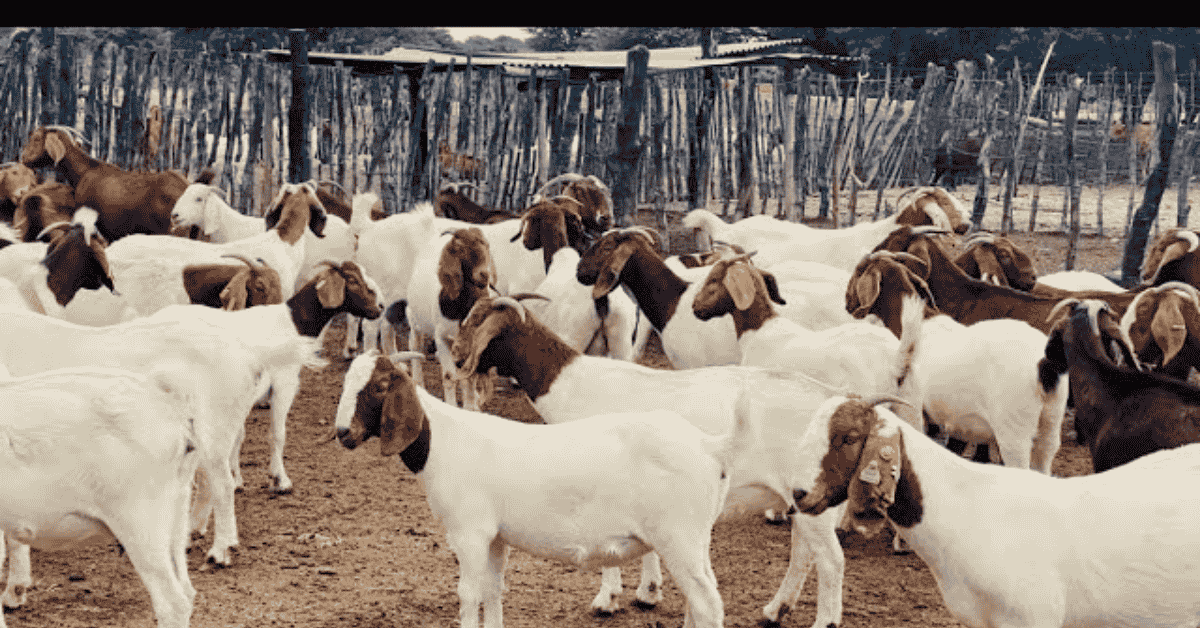
Deciding on the right breeds for a goat breeding business in Zimbabwe depends on matching the breeds to farming goals, climate, and market demands. Knowing where to find good stock and understanding breed traits is essential to build a healthy, productive herd. Common farms to buy goats in Zimbabwe include but are not limited to: Zvikomborero farm [Boer and Kalahari Goats], Woodlands farm [Boer Goats] or finding sellers from local listings. It’s also recommended to join associations withing the goat breeding space in Zimbawe.
Register your Goat Breeding Business. Get in touch with us for: Company Registration , Tax Clearance Certificates , Vendor Number, PRAZ Registration – Call or WhatsApp +263777069078 | +263716196475
Selecting Profitable Breeds for Zimbabwe
In Zimbabwe, farmers often choose breeds based on meat or milk production and how well the goats handle local conditions.
Boer goats are popular for meat due to their fast growth and good carcass quality.
Mashona goats are hardy and well-adapted for meat farming in Zimbabwe’s climate.
Saanen goats are the top choice for milk production because of their steady milk yield.
Matebele and Kalahari goats are known for surviving in drier areas and are useful when water is limited.
Choosing breeds adapted to the environment reduces risks and increases profitability.
Sourcing Quality Breeding Stock
Obtaining healthy breeding stock is key for a strong start. Farmers should look for animals with good health, confirmed pedigree, and strong physical traits like good body structure and sound legs.
Buy from reputable breeders or trusted farms.
Avoid animals with signs of disease or poor growth.
Inspect health history, vaccination records, and reproductive history if possible.
Starting with quality stock helps improve herd genetics and reduces the risk of costly health problems later.
Understanding Breed Characteristics
Each breed has unique habits and needs. Farmers must consider factors such as diet, disease resistance, and reproductive ability.
Meat breeds like Boer grow fast and convert feed efficiently.
Dairy breeds like Saanen need balanced nutrition for high milk output.
Hardier local breeds resist common diseases and survive on rough grazing.
Understanding these traits helps farmers manage feeding, shelter, and health care correctly. It also guides marketing strategies for meat, milk, or breeding stock sales.
Location and Infrastructure
A good goat breeding business depends on careful choices for farm location and proper setup. Factors like climate, space, safety, and easy access to water and feed play a big role in farm success. Infrastructure must support animal health and efficient farm work.
Choosing a Suitable Farm Site
The farm site should have well-drained land to prevent waterlogging and reduce disease risks. It is important to choose a site with natural shelter from strong winds or extreme heat. Goats may do well in areas like Chivhu , Muzarabani or some parts of Buhera in Zimbabwe.
Accessibility is key—easy access to roads helps with transporting animals and supplies. Proximity to markets and veterinary services should also be considered. On the other hand, the closer you are to urban markets, the more costly the land becomes.
The soil should support pasture growth, and water sources must be nearby. Avoid areas prone to flooding or with poor drainage. A flat or gently sloping area makes building and farm work simpler.
Designing Housing and Fencing
Goats need safe, dry, and well-ventilated housing to protect them from rain, sun, and predators. Housing should be easy to clean and provide enough space per animal.
Strong fencing is essential to keep goats safe and prevent escapes. Use sturdy materials like wire mesh or wooden posts.
Separate pens may be needed for different groups such as kids, breeding males, and sick animals. Good fencing also helps control breeding and manage grazing areas.
Water and Feeding Facilities
Fresh, clean water must be available at all times. Water troughs should be placed where goats can easily drink and kept clean to avoid contamination.
Feeding areas should protect feed from rain and pests. Feeding systems can be designed for easy access to hay, concentrates, and minerals.
A well-organized feeding setup reduces waste and helps keep goats healthy and productive. Water and feed facilities should be checked regularly to ensure they work properly.
Register your Goat Breeding Business. Get in touch with us for: Company Registration , Tax Clearance Certificates , Vendor Number, PRAZ Registration – Call or WhatsApp +263777069078 | +263716196475
Feeding and Nutrition Management
Good feeding and nutrition management is key to raising healthy goats that grow well and breed successfully. Proper feeding supports weight gain, milk production, and overall health. It also lowers risks of disease and improves farm productivity.
Developing a Balanced Feeding Plan
A balanced feeding plan mixes forage with concentrates. Goats mainly eat grasses and browse, which provide fiber and essential nutrients. For better growth, added grains or commercial feeds supply energy and protein.
The plan should change with the goat’s age and purpose. Young kids need more protein for growth. Breeding does require enough energy and minerals. Fresh water must always be available.
Feeding schedules must be consistent. Feed goats twice a day and adjust amounts based on their weight and health. Monitoring body condition helps avoid overfeeding or underfeeding.
Supplementing Local Feed Resources
Using local feed reduces costs and supports sustainability. Typical local feeds in Zimbabwe include maize stover, crop residues, and natural pastures. These feeds need supplementation since they lack some nutrients.
Adding protein-rich supplements like commercial pellets or legume hay improves nutrition. Minerals and salt licks are important to prevent deficiencies.
Farmers should store supplements properly to avoid spoilage and waste. Regularly checking feed quality ensures goats get enough nutrients and stay healthy.
Nutritional Needs for Growth and Breeding
Growing kids require high protein and energy for muscle and bone development. Feed with 16-18% crude protein is ideal during growth stages.
Breeding goats need more energy and minerals to support pregnancy and milk production. Calcium and phosphorus are vital for does carrying kids.
Poor nutrition can cause low birth weights, weak kids, and reproductive problems. Balanced feeding during breeding seasons improves kidding rates and overall herd performance.
Goat breeding Strategies and Genetics
Success in goat breeding requires careful planning around mating, detailed record keeping, and constant improvement of herd genetics. Efficient strategies ensure better productivity, healthier animals, and higher profits.
Best Practices for Mating and Selection
Selecting the right goats for mating is crucial. Farmers should choose animals with strong health, good size, and desirable traits like high milk yield or quality meat. Avoid breeding goats with genetic defects or poor productivity.
Mating should take place during optimal seasons to increase fertility rates. Controlled breeding methods such as planned natural mating or artificial insemination help manage the herd better.
Rotating bucks between groups prevents inbreeding and maintains genetic diversity. Regular health checks before mating reduce the risk of passing diseases to offspring.
Register your Goat Breeding Business. Get in touch with us for: Company Registration , Tax Clearance Certificates , Vendor Number, PRAZ Registration – Call or WhatsApp +263777069078 | +263716196475
Record Keeping for Goat Breeding
Accurate records are essential to track goat lineage, mating dates, births, and health history. A simple logbook or digital system can include details like:
Parentage
Birth weights
Growth rates
Reproductive performance
This data helps farmers identify the best breeders and avoid weaknesses. It also supports calculating breeding intervals and planning future matings.
Well-kept records improve decision-making and allow farmers to monitor progress over time. Consistency in record keeping makes it easier to spot trends and enhance herd quality. Looking for a custom software solution? Get in touch with the City Cloud team. They specialize in creating custom applications, such as a record-keeping app for goat businesses.
Health Management in goat breeding
Good health management is essential to keep goats productive and reduce losses. Proper care helps prevent common diseases and ensures healthy growth. Regular treatments and strict farm practices support a strong herd.
Routine Vaccination and Deworming
Vaccination is critical in protecting goats from harmful diseases like anthrax, pneumonia, and goat pox. Farmers should follow a vaccination schedule set by local veterinary services. Timing matters—most vaccines require boosters to build immunity.
Deworming should be done every 6 to 8 weeks, depending on parasite risk. Rotating dewormers helps avoid resistance. Regular fecal checks guide treatment needs. Clean and dry housing reduces parasite spread, lowering the need for frequent treatments.
Common Diseases in Goat breeding
Goats in Zimbabwe often face diseases such as:
Pneumonia: caused by bacteria or viruses, leading to coughing and breathing issues.
Enterotoxemia: a deadly condition linked to sudden diet changes.
Goat pox: results in skin lesions and lowers growth.
Internal parasites: worms cause weakness and poor weight gain.
Prompt diagnosis and treatment are vital. Unchecked, diseases can spread quickly and cause high mortality.
Biosecurity Measures
Biosecurity protects the herd by limiting exposure to pathogens. Key steps include:
Quarantining new goats for 2-3 weeks.
Disinfecting equipment and footwear.
Controlling visitors’ access to the farm.
Proper waste disposal to prevent contamination.
Keeping the environment clean and dry also reduces disease risks. Effective biosecurity saves costs by lowering disease outbreaks.
Legal and Regulatory Considerations for Goat Breeding
Starting a goat breeding business in Zimbabwe requires following specific laws and rules. These ensure the business runs smoothly, the animals are healthy, and operations follow national standards. It is important to handle the paperwork properly and meet health and safety requirements.
Registration helps with opening bank accounts and filing taxes. It also provides legal protection and builds trust with customers and suppliers. Additionally, registering with the Zimbabwe Small and Medium Enterprises (SME) authority can provide access to support programs and funding.
Register your Goat Breeding Business. Get in touch with us for: Company Registration , Tax Clearance Certificates , Vendor Number, PRAZ Registration – Call or WhatsApp +263777069078 | +263716196475
Complying With Livestock Regulations
Zimbabwe has specific laws to protect animals and ensure safe farming. The breeder must follow regulations on animal welfare, including housing, feeding, and treatment. Proper record-keeping of births, sales, and health status is required.
Veterinary inspections may occur to prevent disease spread. The breeder must follow guidelines on vaccination, quarantine, and animal transport. The adherence to these regulations protects goat health and ensures the business is legally compliant.
Goat Breeding Marketing and Sales Strategies
To succeed in goat breeding in Zimbabwe, careful planning and clear communication with buyers are essential. Standing out in the market through strong branding and understanding customer needs will help increase sales and build trust.
Creating Effective Marketing Plans
A good marketing plan starts with knowing the local market demand for goats, whether for breeding, meat, or milk. The breeder should analyze competitors and identify target buyers such as farmers, butchers, or traders. Setting clear sales goals and timelines helps guide actions.
The plan should also outline the channels to reach customers. Using social media, local markets, and agricultural fairs can increase visibility. Pricing strategies must reflect costs and local purchasing power. Tracking results and adjusting the plan regularly improves success.
Building goat breeding buyer relationships
Strong buyer relationships depend on trust and consistent communication. The breeder should provide accurate information about goat breeds, health, and breeding history. Delivering high-quality animals on time reinforces reliability.
Offering after-sale support, like advice on goat care, can deepen loyalty. Regular follow-ups through calls or visits keep buyers engaged. Creating a network of satisfied customers who recommend the breeder helps expand the market.
Goat breeding branding and product differentiation
Branding helps the breeder’s goats stand out in a crowded market. This includes using a clear farm name, logos, and quality certificates if available. Highlighting unique traits of the goats, such as disease resistance or fast growth, adds value.
Packaging or presenting goats in a professional way, even for breeding stock sales, builds a positive image. Differentiating products by focusing on specific breeds or specialized services targets niche buyers, increasing profitability.
Billion-dollar business ideas can sometimes come as serious frustrations. In mere words, a business idea may sometimes come flanked in thorns. Billion dollar industries have emerged out of human frustration. Should you have something that’s frustrating you, check how you can come up with a business idea out of that frustration.
We’ve all been there. Stuck in the rain, unable to hail a taxi. Frustrated by complicated software. Annoyed by products that simply don’t meet our needs. But what if those moments of irritation weren’t just fleeting annoyances, but rather sparks of brilliant business ideas?
This is the powerful lesson we can learn from a fascinating series highlighting 10 business ideas that were a result of huma frustration but later turned into billion dollar businesses. These stories remind us that some of the most successful businesses weren’t born out of thin air, but from identifying and solving everyday problems – often the very ones we ourselves experience. Let’s dive into these inspiring examples:
The Rainy Paris Taxi Problem: The Birth of Uber
Imagine being stuck in the romantic city of Paris, the rain pouring down, desperately trying to find a taxi that never seems to arrive. This was the exact frustration experienced by two individuals (Travis Kalanick and Garrett Camp) who decided to take matters into their own hands. Their action? To build a revolutionary app that allowed people to request a ride directly from their phones. Today, Uberis a global giant, valued at over $150 billion, transforming transportation in countless cities worldwide. It’s a testament to how solving a simple, yet widespread, inconvenience can lead to monumental success.
You may not have to build another Uber in your country. However, find ways of tapping into the already existing taxi business of your city or country. In Zimbabwe, there is no Uber at the time of this publication. InDrive has taken the market with storm and it is promising to stay. Tap into the InDrivevalue chain by offering services like starting a driving school to train drivers who would like to operate InDrive taxis, car servicing, selling of spare parts or oils or even setting up your own garage. On the otherhand, you may start a competing business like what Tap n Go did. Transport business is still a lucrative business in Zimbabwe and most local entrepreneurs are making it in the kombi business.
Company Registration , Tax Clearance Certificates , Vendor Number, PRAZ Regsitration – Call or WhatsApp +263777069078 | +263716196475
Saving safely from “Detty December”: the rise of PiggyVest
The end of the year often brings with it a season of celebration and, for many, significant spending. In Nigeria, the term “Detty December” encapsulates this period of vibrant social activity. One woman experienced the common frustration of seeing her hard-earned savings vanish during this time. Her solution? PiggyVest, a digital savings app designed to help users save and even lock their funds securely. This innovative approach to financial discipline resonated deeply, and PiggyVest now boasts over 5 million users, highlighting the power of addressing cultural spending habits with a tech-driven solution.
Business ideas of developing a saving mobile application in Zimbabwe are still not yet pursued. That’s a good gap for mobile app developers. You can develop and sell the application or code to local banks or mobile money transfers. It will also be a good idea to just develop the mobile app as part of your portfolio [if you would like to grow your portfolio]. Register your company, apply for tax clearance certificate, a vendor number and start bidding for tenders. Here is a guide to help you on how to apply and win tenders.
The Airbnb Story: Affordable Accommodation for Conference Guests – the housing business idea
The struggle of affording rent in a bustling city is a reality for many. Three individuals (Brian Chesky, Nathan Blecharcyzk, and Joe Gebbia) facing this very challenge in their apartment had a resourceful idea when a large conference came to town. They offered air mattresses on their floor to attendees who couldn’t find or afford hotel rooms. This simple $40 side hustle evolved into Airbnb, a company now valued at $80 billion, revolutionizing the travel industry by connecting people with unique accommodation options in almost every corner of the globe. It showcases how a need for affordable lodging, coupled with a sharing economy mindset, could disrupt traditional hospitality.
The housing market continues to be a profitable business idea in Zimbabwe due to the housing shortage currently being experienced especially in major cities. According to a recent publication in The Herald, there is a housing gap in Zimbabwe of 1.25million households with 70% of that number being urban centres. The numbers indicate a huge market gap with so many business ideas to tap into. List your unoccupied rooms on Propertybook.co.zw or on Airbnb if you would like to go the Airbnb route. Start a construction company to build houses for the unhoused market.
Company Registration , Tax Clearance Certificates , Vendor Number, PRAZ Regsitration – Call or WhatsApp +263777069078 | +263716196475
Design for Everyone: The Creation of Canva – an oldage business idea
Business ideas are always engulfed in thorns. Where others see a problem, you must see an opportunity for a business idea. For those without professional graphic design skills, creating visually appealing content can be a significant hurdle. One woman intimately understood this frustration, having struggled with complex software like Photoshop. Her answer was Canva, an incredibly user-friendly design tool that empowers anyone to create stunning visuals for various purposes. With a valuation of $40 billion, Canva has democratized design, proving that simplifying complex processes and making tools accessible to a wider audience can lead to massive adoption and success.
While you may not have to recreate Canva, you can find other lucrative business ideas within the Canva value chain. Offer services like Canva templates design, becoming a social media manager and using Canva for your designs. With advanced features such as cloud storage and the ability of multi users collaborating on one design in real time, Canva so far outweighs main design tools like Photoshop. However, Canva still has a long way to go in improving print quality and adding more flexibility options for designers to show their artistic prowess.
Consistent Drug Supply in Ghana: The Impact of mPharma
Inconsistent stock levels and fluctuating prices in pharmacies are a major healthcare challenge in many developing countries. Recognizing this critical frustration in Ghana, a visionary individual built mPharma, a platform designed to manage drug supply and inventory efficiently. This innovative solution ensures that essential medicines are more readily available and their prices are more stable. Operating in 9 countries, mPharma demonstrates how addressing systemic issues within vital sectors can create significant impact and a sustainable business.
Business ideas like mPharma are what moves economies and makes lives easier. As an entrepreneur in the health industry, you may find business ideas within the pharmaceuticals value chain. These include but are not limited to: opening a pharmacy , being a supplier of pharmaceutical equipment, wholesaling of clinical products, transportation of lab equipment [bike delivery] , offering software solutions to pharmacies e.g accounting systems, Customer relation management [CRM] software or even partnering with pharmacies as a consultant [doctor, accountant, digital marketer, software developer, lawyer, data analyst]
The WhatsApp business idea
Remember the days when international phone calls were prohibitively expensive? Jan Koum, unable to easily connect with his family overseas due to these high costs, experienced this frustration firsthand. His response was to develop WhatsApp, an app that allowed users to text each other globally for free, using the internet. This simple yet powerful solution transformed the way people communicate worldwide, ultimately leading to its acquisition by Facebook for a staggering $19 billion. WhatsApp highlights how overcoming communication barriers can connect the world and build immense value.
Businesses that you can start alongside WhatsApp are unlimited! You can be a developer of WhatsApp Cloud APIs , a WhatsApp Business expert offering lessons on how to use WhatsApp Business to SMEs in your country or help businesses develop WhatsApp chatbots that helps smoothen their workflows.
Company Registration , Tax Clearance Certificates , Vendor Number, PRAZ Regsitration – Call or WhatsApp +263777069078 | +263716196475
Underwear Lines Under White Pants: The Invention of Spanx
A seemingly minor fashion frustration led to a major entrepreneurial success story. Sara Blakely was simply annoyed by visible panty lines under her white pants and the lack of suitable undergarments. Instead of just complaining, she took action and invented Spanx, revolutionary shapewear designed to solve this very problem. Her innovative approach to a common fashion dilemma not only filled a gap in the market but also propelled her to become the youngest self-made female billionaire, proving that even everyday fashion frustrations can be incredibly lucrative.
Timely Access to Blood in Emergencies: The Lifesaving Innovation of LifeBank
In critical medical situations, access to blood can be a matter of life and death. The tragic reality of hospitals facing shortages and delays in obtaining blood supplies was the core frustration behind LifeBank in Nigeria. This impactful platform was built to deliver blood quickly and efficiently in emergencies. By addressing this urgent healthcare need, LifeBank has not only saved countless lives but also garnered significant recognition and awards, demonstrating how solving crucial societal problems can create both immense value and profound impact.
Simplifying Online Sales: The Birth of Shopify
For individuals with a product to sell, navigating the complexities of early eCommerce platforms was often a daunting task. One entrepreneur, wanting to sell snowboards online, found the existing options too complicated. His frustration led him to take action and build a better, more user-friendly platform himself. That platform is now Shopify, which powers millions of online stores worldwide, empowering countless entrepreneurs to bring their products to market with ease. Shopify’s success underscores the importance of simplifying complex processes and catering to the needs of online merchants.
Company Registration , Tax Clearance Certificates , Vendor Number, PRAZ Regsitration – Call or WhatsApp +263777069078 | +263716196475
The Underlying Lesson: Turn Annoyances into Business Ideas
These remarkable stories share a common thread: identifying a personal frustration, or a frustration experienced by many, and then taking decisive action to create a solution. As the concluding thought in this inspiring series reminds us: “Everytime something annoys you, that is a business idea.”
So, the next time you find yourself frustrated by something in your daily life, don’t just dismiss it as an inconvenience. Instead, consider it a potential opportunity. Could this be the spark of your own innovative solution? Could your frustration be the seed of your future success? The stories of Uber, PiggyVest,Airbnb, Canva, mPharma,WhatsApp, Spanx, LifeBank, and Shopify certainly suggest that the answer might just be a resounding yes.
Starting a kombi business in Zimbabwe involves careful planning and understanding the transport market. The key to success lies in choosing the right routes, securing necessary permits, and managing resources effectively. Knowing the legal requirements and selecting reliable vehicles are essential steps to get the business running smoothly.
It is important to create a solid plan that covers financial needs and operational details. A clear strategy for recruiting drivers and managing day-to-day operations will help avoid common challenges. Growth depends on consistent service and good marketing to attract and keep customers.
Key Takeways
Kombi business in Zimbabwe is still profitable.
Securing proper permits and licenses is crucial before starting operations.
Effective management of vehicles and staff ensures smooth business flow.
Financial planning and market understanding support steady business growth.
What is a kombi?
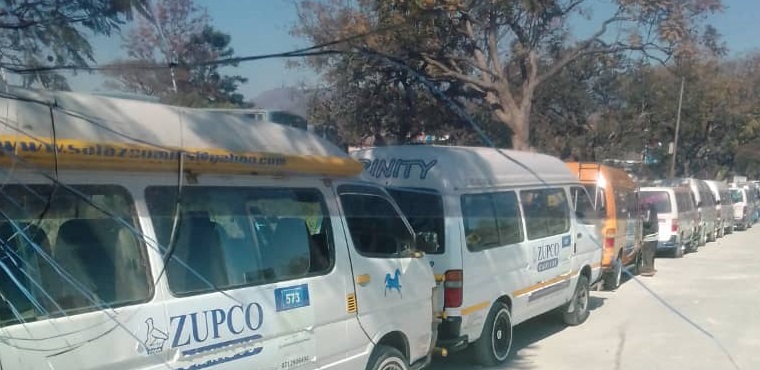
A kombi is a term used in Zimbabwe to refer to minibuses that carry 15-18 passengers. This is the most prevalent mode of public transport for the Zimbabweans.
Kombi business in Zimbabwe
Understanding the Kombi Business Landscape in Zimbabwe
Starting a kombi business involves knowing how demand works, rules set by the government, and which routes bring the most passengers. These details help entrepreneurs plan their operations and investments wisely.
Market Demand and Opportunities
Kombis serve as a main mode of transport for many Zimbabweans, especially in urban and peri-urban areas. The demand is steady because buses and taxis often do not cover all routes or are more expensive. People rely on kombis for daily commutes to work, school, and markets. Although InDrive is gaining traction in Harare and Bulawayo, kombis still dominate the transport industry for local routes.
The business offers opportunities because of Zimbabwe’s growing population and limited public transport alternatives. However, passenger numbers can vary by time of day and economic conditions. Entrepreneurs should consider starting with a few vehicles to match demand levels before expanding.
Marketing inside kombis, such as placing adverts on windows or seats, can add extra income. Collaborating with kombi owners on busy routes often helps increase business visibility and passenger trust.
Regulatory Environment of the kombi business
Kombi operations in Zimbabwe are controlled by local transport authorities and require several permits. Operators must register vehicles, obtain roadworthy certificates, and comply with safety regulations. These rules keep passengers safe and ensure vehicles meet standards.
Failure to comply with regulations can lead to fines or impounding of vehicles, making it essential to stay updated on local laws and licensing processes.
REQUIREMENTS FOR KOMBIS TO OPERATE IN CITY OF HARARE
City of Harare wishes to inform kombi operators that the following are the documents required for them to register and operate in Harare
7. The operator shall submit the Authority letter obtained above to the Ministry of Transport where the Operator is issued with a Route Authority Permit
8.The operator shall submit the Authority Letter and Route Authority/ Permit to City of Harare Finance Department to be issued with a Rank Disk
9. The operator shall always display the Authority Letter, Route Authority and Rank Disk in his/her vehicle at all times
10. The Operator shall adhere to the Rank and route given on the permits
Common Routes and Destinations
Popular kombi routes connect suburbs to main business centres, schools, and markets. For example, in Harare, routes linking the outskirts like Mabvuku specifically Gazebo and Chitungwiza to the city centre see heavy passenger flow during peak hours.
Routes vary between cities and rural areas but typically focus on places where larger buses run less frequently. Operators often choose routes based on passenger demand, traffic conditions, and competition.
Familiarity with common destinations helps in planning schedules and vehicle dispatching. It also allows operators to build relationships with kombi owners and users on those routes, improving reliability and profits. For more on route planning, see starting a minibus/kombi transport business in Zimbabwe.
Legal Requirements and Licensing
Starting a kombi business in Zimbabwe involves following specific legal steps to operate legally and safely. Key requirements include registering the business, securing the necessary permits and licenses, and adhering to passenger pooling rules designed to manage transport operations.
Registering Your kombi Business
Before operating, the kombi business must be officially registered with the Registrar of Companies. This involves choosing a business name, getting it approved and registering your with the Zimbabwe Registrar of Companies. Registration provides the business with a legal identity.
Get in touch with us for Company Registration, Tax Clearance , Bookkeeping and Digital Marketing of your business. Call or WhatsApp : +263716196475 | +263777069078
The kombi business must also be registered for tax purposes with the Zimbabwe Revenue Authority (ZIMRA). Getting a tax clearance certificate is important for compliance. Registration as a sole proprietor, partnership, or company depends on the business size and structure.
Passenger Pooling Regulations
Passenger pooling rules regulate how kombi drivers pick up and drop off passengers. Drivers must operate within assigned routes and must not overload vehicles beyond the legal passenger limit.
Daily targets and monitoring of mileage help manage efficiency and compliance. City council authorities in Zimbabwe often require that kombis park in designated parking bays areas when off duty to avoid unauthorized operations.
Adhering to these rules helps maintain safety and order on Zimbabwe’s roads for kombi operators and passengers alike.
Choosing the right kombi and knowing where to get it are vital steps for anyone starting this business. The vehicle’s condition, type, and origin affect costs and operations. Ensuring the kombi is safe and fits local rules is equally important.
Selecting the Right kombi
The preferred kombi often has an 18-seater capacity. Most buyers in Zimbabwwe will purchase their kombi on Beforward or SBT but without seats. They then go to areas like Gazaland in Harare and get the seats installed by experts in upholstery. Choosing the kombi model is another key factor to consider. Toyota models, especially with diesel engines, are popular for their fuel efficiency and durability. A diesel engine reduces running costs compared to petrol models.
Key factors to consider when purchasing a kombi:
Engine type: Diesel is more durable and cheaper on fuel.
Seating capacity: 15 to 18 seats, depending on local demand.
Brand reputation: Toyota kombis are trusted for reliability.
Maintenance ease: Choose models with accessible spare parts.
A well-maintained vehicle with a strong engine minimizes downtime and boosts profitability.
Importing Versus Local Purchase
Buying a kombi locally allows faster starting since paperwork and initial inspections are often handled locally. However, prices might be higher due to taxes on importing kombis and fewer options.
Importing kombis can offer better prices but requires more steps. Importers must deal with clearance fees, customs, and transport time. Ensuring the vehicle meets Zimbabwe’s road and import regulations is essential.
Comparison table:
Factor
Local Purchase
Importing
Vehicle options
Limited
More variety
Initial cost
Higher
Often lower, plus import fees
Time to start
Short
Longer due to shipping and clearance
Paperwork complexity
Simple
Complex with customs and taxes
Ensuring Roadworthiness
Before operating, the kombi must pass inspections to prove it is roadworthy. This includes checking brakes, tires, engine condition, and lights.
Key documents include:
Vehicle license
Operator’s license
Route authority
Keeping the kombi in good condition reduces risks of accidents and fines. Regular servicing is necessary to maintain safety and comply with transport laws.
Financial Planning and Investment
Starting a kombi business requires clear planning about how much money is needed and how it will be spent. Knowing the startup funds, daily costs, and expected income helps the owner manage the business well from the start.
Startup Capital and Funding Options
The initial capital for a kombi business in Zimbabwe mainly covers the purchase of one or more vehicles. Depending on the model and condition, a used kombi can cost anywhere from $7,000 to $15,000. Additional funds are needed for licensing, insurance, and vehicle maintenance.
Funding can come from personal savings, loans from banks or microfinance institutions, or family and friends. Some business owners might also seek government grants or support from local investment programs. Careful budgeting is essential to avoid running out of money during the early months of operation.
Operational Costs Breakdown
Daily running costs include fuel, vehicle maintenance, driver salaries, and license fees. Fuel prices fluctuate but make up a large part of the expenses, often around 30-40% of total costs.
Maintenance is also crucial to avoid breakdowns that reduce income. Regular servicing, tire replacements, and repairs should be included in the budget. Paying the driver or conductor and handling passenger permits are other ongoing costs that must be managed carefully.
Remember to record all the costs of the kombi to see the profitability of the business. Check accounting softwares like Zoho Books, Quickbooks or Odoo.
Revenue Projections for the kombi business
Income depends on the number of passengers and daily trips. Kombi owners can estimate revenue by multiplying the average number of passengers by the fare and the number of trips per day.
For example:
Average fare: $0.50 for local trips during off-peak hours and $1 during peak hours.
Staff recruitment and management in a kombi business requires careful selection, clear roles, and ongoing training. Proper hiring and supervision ensure smooth daily operations and good customer service.
Hiring Qualified Drivers
Drivers must have valid Zimbabwean driving licenses, preferably with experience in commercial transport. They should have clean driving records and knowledge of local routes to maintain safety and punctuality.
Employers should verify licenses through official channels and conduct interviews focused on driving skills and customer interaction. Background checks reduce risks related to theft or misconduct.
It’s important to clearly outline duties and expectations in writing. Drivers should understand their schedule, vehicle maintenance responsibilities, and passenger handling rules.
Conductors and Support Staff for a kombi business
Conductors help with collecting fares, guiding passengers, and managing boarding and alighting safely. They should be reliable, polite, and able to handle customer concerns efficiently.
Support staff may also include mechanics or cleaners, depending on the size of the business. Employing part-time or contract workers can reduce costs.
Recruiters should advertise roles clearly, focusing on communication skills and trustworthiness. Interviews and basic background checks are recommended to ensure fit.
Training and Safety Compliance
All staff must undergo training in customer service, route navigation, and emergency procedures. This reduces accidents and enhances the passenger experience.
Regular safety meetings and checks of kombi vehicles help maintain legal compliance under Zimbabwean transport laws. Employees should be aware of health and safety standards.
Training sessions can include role-playing for conflict resolution and practical sessions on vehicle inspection. Documentation of training improves accountability.
Building a successful kombi business requires focusing on attracting passengers, earning a good reputation on busy routes, and using digital tools to reach more customers. Each of these steps helps the business grow steadily and stay competitive.
Attracting Passengers
To attract passengers, drivers and owners should focus on offering reliable and timely services. Clear schedules and frequent trips on popular routes encourage regular use. Pricing must be competitive but still cover costs.
Offering safety measures, such as clean vehicles and following traffic rules, helps build trust. Friendly customer service also encourages passengers to choose their kombi over others.
Using local advertising like flyers or posting timetables at busy spots can draw attention. Word of mouth is powerful, so providing good service is key to getting passengers to recommend the business.
Establishing Route Reputation
A strong reputation begins by consistently serving key routes where demand is high. Kombi operators should learn which stops have the most passengers and ensure those areas are covered well.
Punctuality plays a big role. For example, kombis that run on time earn repeat customers and positive reviews. Drivers who know their routes fully can avoid delays and improve service.
Community relations also matter. Getting to know regular passengers and listening to their feedback helps the business stay relevant. Reliability on a route builds long-term trust, growing the kombi’s reputation.
Leveraging Digital Platforms
Using social media platforms like Facebook and WhatsApp is valuable for kombi businesses in Zimbabwe. These tools allow operators to share schedules, announce changes, and communicate directly with customers. A case in point is that of Pamushana Africa Group which is into the kombi business and they have an active Facebook page.
Digital marketing helps widen reach without high costs. Posting attractive offers or updates frequently keeps passengers informed and interested.
SMS marketing can send quick alerts or reminders to passengers. Many Zimbabweans use mobile phones daily, so text messages can be an effective way to keep customers coming back.
For more ideas on marketing small businesses in Zimbabwe, visit 5 marketing strategies for small businesses in Zimbabwe.
Operational Challenges and Risk Management
Managing a kombi business involves facing strong competition, keeping vehicles in good condition, and handling insurance properly. These areas require careful attention to reduce risks and keep the business running smoothly.
Dealing with Competition
The kombi transport sector in Zimbabwe is highly competitive, with many operators running similar routes. To stay ahead, operators must choose routes wisely, focusing on those with steady demand and less congestion.
Pricing must be competitive but still cover costs and generate profit. Offering reliable schedules and good customer service can also attract and keep passengers.
Understanding competitor strengths and weaknesses helps in adjusting services. Operators should monitor market changes regularly and be ready to adapt quickly. Building strong relationships with local communities can improve loyalty and reduce risks from rivals.
Vehicle Maintenance and Downtime
Vehicles must be maintained regularly to avoid breakdowns that cause delays and loss of income. Scheduled check-ups should include engine, brakes, tires, and lights.
Downtime directly affects revenue, so having backup plans like spare vehicles or quick repair services is critical. Keeping maintenance records helps identify patterns and plan replacements.
Operators should train drivers on proper vehicle use to avoid unnecessary damage. Budgeting for repairs and parts prevents surprises that can harm cash flow.
Insurance and Liability
Insurance is key to protecting the business from financial losses due to accidents, theft, or damages. Kombi owners should invest in comprehensive policies covering vehicles, passengers, and third-party liabilities.
Clear contracts and safety policies reduce legal risks. Operators must ensure drivers hold valid licenses and follow traffic laws strictly.
Prompt handling of claims and legal issues protects the business reputation. Regular review of insurance coverage ensures it matches the changing size or nature of the fleet.
Frequently Asked Questions
Starting a kombi business in Zimbabwe requires understanding specific legal rules, costs, and planning steps. Profitable market opportunities and good marketing tactics also play key roles. Navigating the regulatory environment carefully is essential for success.
What are the legal requirements for starting a passenger transportation business in Zimbabwe?
Operators need an official license to run a kombi business. This includes an operator’s license, route permits, and passenger insurance. Vehicles must meet safety standards and have valid roadworthy certificates. Compliance with local and national transport regulations is mandatory.
What are the initial capital and operational costs associated with launching a kombi business?
Initial costs include buying or leasing a kombi vehicle and securing all required permits. Operational costs cover fuel, maintenance, driver salaries, and insurance. Daily financial targets help manage mileage and ensure consistent income.
What are the most profitable niches within the transportation sector in Zimbabwe?
Public transport kombis on busy city routes often generate steady income. Specialized services like airport shuttles or school transport can also be profitable. Identifying high-demand areas helps increase earnings.
How can entrepreneurs navigate the regulatory environment for transportation businesses in Zimbabwe?
They must stay updated on laws and maintain all necessary permits. Working closely with local transport authorities eases compliance. Proper record keeping and monitoring of vehicle conditions avoid penalties.
What strategies are effective for marketing a new kombi service in Zimbabwe?
Clear communication of routes and schedules attracts regular passengers. Offering reliable, safe, and affordable service builds trust. Engaging in local community groups and using word-of-mouth help grow the customer base.
More detailed advice can be found on how to start a kombi business in Zimbabwe through online discussions and guides.
Innbucks Agent Line Requirements + Commissions Explained: What You Need to Know
Becoming an InnBucks agent requires meeting specific criteria that ensure the safety and efficiency of transactions. Agents need to have a secure system ready to integrate with InnBucks’ platform and must register through the official application process. This setup allows them to handle cash in, cash out, and other financial services reliably.
Innbucks agents earn commissions of 0.05% for deposit and 0.05% for cash withdrawals as well. InnBucks is steadily gaining ground, with its footprints being seen on all Chicken Inn outlets. They also maintain strong security standards to protect both agents and customers, making this an attractive opportunity for those seeking to grow their business through financial services.
Innbucks agents
Key Takeways
Agents must register join the InnBucks network.
Commissions are paid cash deposits and withdrawals.
Overview of Innbucks Agent Line
Innbucks agents serve as key points for financial services distribution within Zimbabwe. They help expand Innbucks’ reach while providing convenient access to fintech solutions for many people. Agents must meet specific requirements and follow clear roles to support the network effectively.
Role of Innbucks Agent in the Zimbabwean Fintech Ecosystem
Innbucks agents act as the physical link between digital financial services and customers. They provide access in areas where banks or ATMs might be scarce. This role is vital for promoting financial inclusion in Zimbabwe.
Agents earn commissions by facilitating cash in and cash out. This incentivizes them to maintain high service levels. They also help build customer trust in Innbucks by offering in-person support.
By operating under strict RBZ rules, agents help uphold the security and reliability of fintech operations. More information on becoming an agent can be found on the InnBucks agent requirements page.
Requirements to Become an Innbucks Agent
Becoming an Innbucks agent involves meeting specific criteria, submitting required documents, and following regulations set by authorities. These steps ensure agents operate legally and effectively. Agents must understand the standards to start offering services like cash in and cash out.
Eligibility Criteria
An applicant must be at least 18 years old to qualify as an Innbucks agent. They should have a valid form of identification, such as a national ID or passport, to prove their identity. Agents are expected to have a fixed business location or an established point of contact where services will be offered.
Documentation Needed
For one to register as an Innbucks agent, below are the requirements of becoming an InnBucks registered agent
-Possession of a Valid Business Licence- obtainable from your nearest local authority.
-Certificate of Incorporation
-CR14/CR6
-CR6/CR5
-CR11
-Memorandum and Articles of Association
-Tax Clearance
-Board Resolution Letters
-Passport Photos, ID Copies, Proof of residence
-Operating Licence
-Operating at a permanent Business premise and a Valid Lease Agreement
Agents must meet specific qualifications and follow clear steps to join the InnBucks network. Earnings depend on the type and volume of transactions handled. Several rules apply to cross-border transfers and service offerings.
How much commission can an InnBucks agent earn on transactions?
Agents earn commissions on deposits of 0.05% and withdrawals of 0.05% . The final sum someone can make per month now depends on the volumes of transactions an agent does.
Are there any transaction limits for InnBucks agent when sending money to Zimbabwe?
Yes, limits exist to comply with regulatory rules. These limits depend on the transaction method and customer account type. Agents must ensure transfers do not exceed set thresholds.
Can InnBucks agent provide mobile money loan services?
InnBucks agents primarily handle deposits, withdrawals, and payments. Loan services are typically managed by the bank or its partners, not directly by agents.
What are the steps to collect money through an InnBucks agent?
The recipient must provide valid identification and transaction details. The agent verifies the information before releasing funds. Agents follow strict protocols to ensure secure and accurate payment delivery.
This is one of the commonly asked questions we get from our customers. The amout of money you can make is determined mainly by your transaction volumes, your costs in providing the service and if you any other business you may be doing besides being an Innbucks agent.
Other businesses to pursue besides being an Innbucks agent:
Are you a Zimbabwean entrepreneur looking to diversify your income streams and play a vital role in your community’s financial ecosystem? Becoming an EcoCash agent offers a compelling opportunity. EcoCash, Zimbabwe’s leading mobile money platform, connects millions of users, and agents are crucial for facilitating transactions.
Disclaimer: The content within this guide is intended solely for general informational purposes. While we strive for accuracy, we encourage you to reach out directly to the brands or companies featured for any specific inquiries, up-to-date information, or personalized assistance.
But what exactly are the requirements for an EcoCash agent line? Many aspiring agents find themselves asking this very question. This blog post will break down everything you need to know, from documentation to float requirements, ensuring you’re well-prepared for your application.
Why Become an EcoCash Agent?
Before diving into the specifics, let’s quickly touch on the benefits. As an EcoCash agent, you become a central point for cash-in, cash-out, bill payments, and other mobile money services. This not only generates commissions for your business but also drives foot traffic to your premises, potentially boosting sales of other goods or services. It’s a win-win for both your business and the community you serve, especially in areas where traditional banking services might be limited. Being an Ecocash agent is one of the businesses you can start with low capital.
Ecocash Agent kiosk
The Essential Requirements for an EcoCash Agent Line: A Checklist
To ensure a smooth application process, gather the following documents and fulfill these conditions. Please note that all copies of documents must be certified by a commissioner of oaths.
I. Business & Legal Documentation:
Certified Certificate of Incorporation/Registration Certificate/Trust Deed: This is crucial proof of your business’s legal existence. Whether you’re a private limited company, a trust, or a registered sole proprietor, you’ll need the official registration document.
Company Summary (for Companies): If you’re a registered company, the Company Summary document, which lists the company’s directors and secretaries, is a mandatory requirement.
Certified Trading License: Proof that your business is legally permitted to operate and conduct commercial activities in your locality. This is often issued by your local city council or relevant authority (e.g., Harare City Council,Bulawayo City Council).
Certified Proof of Address for Business Premises: A utility bill (ZESA, ZINWA), council rates bill, or lease agreement in the company’s name, dated within the last three months, showing the physical address of your business location.
Get in touch for company registration services. WhatsApp or call us on +263716196475 | info@companyregzim.co.zw
II. Director/Executive/Trustee & Personal Documentation:
Certified IDs of at least 2 Directors/Executives/Trustees: Clear, certified copies of national identity documents for the key individuals overseeing the business.
Passport Photos of at least two Directors/Executives/Trustees: Recent, clear passport-sized photographs.
Proof of Address of at least two Directors/Executives/Trustees: Similar to the business premises proof, utility bills or bank statements (not the company’s main one) for the residential addresses of the directors/executives.
III. Financial & Operational Requirements:
1st page of the company Bank statement showing name: This demonstrates your business’s active banking relationship and official company name. Ensure the account name matches your registered business name.
Tax Clearance Certificate: Issued by the Zimbabwe Revenue Authority (ZIMRA), this proves your business is compliant with tax obligations.
Get in touch with us for Tax Clearance registration services: +263716196475 | info@companyregzim.co.zw
Tax Clearance Certificate
3. Letterhead Instruction Authorizing Creation of the Account: A formal letter on your company letterhead, clearly instructing EcoCash to open an agent account, and signed by authorized signatories.
IV. EcoCash Specific Forms & Float:
Franchise Agreement + Mandate + Indemnity Form, Beneficial Ownership Form (Provided by EcoCash): These are critical legal documents provided directly by EcoCash. You will receive these during the application process and will need to complete and submit them. They outline the terms of your agency, your responsibilities, and the legal framework of your partnership with EcoCash.
Float Required: This is the initial capital you need to start transacting. It ensures you have sufficient funds (both cash and e-value) to facilitate customer transactions.
Urban Agents: USD$1000 (comprising USD$500 cash and USD$500 e-float)
Rural Agents: USD$500 (comprising USD$250 cash and USD$250 e-float)
Remember: This float allows you to facilitate cash-in and cash-out services effectively. Having adequate float is crucial for good customer service and maximizing your earnings
Requirements to be an Ecocash agent in a nutshell
Here is a final checklist for the requirements to be an Ecocash agent:
1. Passport photos of at least two Directors/Executives/Trustees
2. Certified proof of address for business premises
3. Certified trading license
4. Certificate of Incorporation/Registration Certificate/Trust Deed
5. Certified IDs of at least 2 Directors/Executives/Trustees
6. Company profile for registered companies
7. Certified CR14
8. Proof of address of at least two directors/Executives/Trustees
9. Letterhead instruction authorizing creation of the account.
10. 1st page of the company Bank statement showing name
11. Tax clearance certificate
12. Memorandum of Association
13. Franchise Agreement + Mandate + Indemnity Form, Beneficial Ownership form (Provided by
EcoCash)
14. Float required:
Urban USD$1000 ($500 cash, $500 e-float)
Rural USD$500 ($250 cash, $250 e-float)
Next Steps After Gathering Your Documents
Once you have meticulously gathered all these requirements for an EcoCash agent line, your next step is to approach your nearest Econet shop, since Ecocash is an affiliate of Econet. They will guide you through the submission process and any additional steps required.
Becoming an EcoCash agent is a fantastic opportunity to contribute to financial inclusion in Zimbabwe while growing your business. By carefully preparing all the necessary documents and understanding the float requirements, you’ll be well on your way to becoming a key player in the country’s vibrant mobile money landscape.
Are you an aspiring entrepreneur in Zimbabwe, eager to start your own business but limited by capital? The good news is that you don’t need a massive investment to turn your business dreams into reality! While the idea of launching a successful venture with a tight budget might seem daunting, Zimbabwe’s dynamic economy actually offers a surprising array of opportunities for resourceful individuals.
This blog post is your ultimate guide to discovering profitable businesses you can start with $1000 in Zimbabwe. We’ll explore innovative ideas, practical tips, and key considerations to help you navigate the local market, maximize your limited funds, and lay the foundation for a thriving enterprise. Get ready to transform your ambition into a tangible business success story!
Disclaimer: The content within this guide is intended solely for general informational purposes. While we strive for accuracy, we encourage you to reach out directly to the brands or companies featured for any specific inquiries, up-to-date information, or personalized assistance.
With a mobile penetration rate of 96% (Potraz 2023), becoming an Ecocash or OneMoney agent is one of the most lucrative businesses in Zimbabwe. Almost every Zimbabwean with an Econet line is registered on Ecocash, making this a recession-proof venture.
How to Start:
To begin, register as an agent with mobile money services like EcoCash,OneMoney, orInnbucks. This allows you to faciliate registrations of users on EcoCash, OneMoney, or Innbucks. These agents make money through facilitating cash in or out and they receive a commission. The commission rates differ with service provider to service provider. For example, with Innbucks, for deposits the commission is 0.05% and for withdrawals it is 0.05%. OneMoney gives a commission rate of 1.5% and Ecocash gives a commission of 1.2%. Here is a simple Math-
Assumptions:
-You do Ecocash transactions of at least $2000 per day = $24 per day by 30 days = $720 per month
-You do OneMoney transactions of at least $500 per day = $7.50 per day = $225 per month.
-You process Innbucks transactions of $500 per day which is $0.25 = $7.50 per month.
In total, you will get $952 in commissions.
As a registered agent, it will make more sense if you register as an airtime dealer as well. Once you become a registered airtime dealer, you can purchase at discounted rates, typically offering an 8–12% profit margin. You can sell through WhatsApp groups, Facebook Marketplace, or set up a small roadside stall. Additionally, partnering with tuck shops can help expand your distribution network. If funds permit, you can start your own tuckshop using this guide.
Pro Tip: Target high-traffic areas like Mbare bus terminusor Mbare Siyaso markets to maximize sales.
An important point to note is that to be a registered Ecocash or Innbucks agent, you must have a registered company and a Tax Clearance certificate.
Get in touch with us for all your Company Registration and Tax Clearance certificate. Call or WhatsApp us: +263716196475 | +263777069078
Remember to check our guides to become these agents.
The demand for homemade food is increasing, particularly among students and working professionals. A home-based catering business allows you to start small and scale up as you build a loyal customer base.
Best-Selling Products:
Homemade peanut butter (supplied to supermarkets and local shops)
Baked goods like cakes, muffins, and scones (popular in offices and schools)
Pre-packaged meals for busy professionals
How to Start:
Obtain a food handling certificate from your local City Health Department. Use WhatsApp and Facebook to market your products. Start by selling to friends, family, and nearby businesses, then grow through word-of-mouth referrals.
Example: A home-based baker in Harare may approximately $500/month supplying muffins to local offices or high rise buildings.
Zimbabwe imports over $50 million worth of second-hand clothing annually (ZIMSTAT). The demand for affordable, quality clothing remains high, especially in urban and peri-urban areas. How to Start:
You can source second-hand clothing bales from South Africa (Beitbridge) or local suppliers. Selling at flea markets like Mbare and Gulf Complex or through Facebook Marketplace can generate significant profits. Focus on school uniforms, workwear, and trendy fashion to maximize sales.
Pro Tip: Attend wholesale clothing auctions in Harare to get the best deals.
Import solar products from Alibaba or buy locally from suppliers like T&C Gas Accessories. Market through WhatsApp groups and local community networks to reach potential buyers. Better yet, hire a Digital Marketing Agency like City Cloud to help you build your online shop and manage your social media accounts.
Profit Margin: 30–50% per unit.
The fastest way to grow your business will be offering your solar products to the civil servants on credit via SSB or to start participating in government tenders. To make this possible, you will need a registered company, Tax Clearance certificate among other crucial documents.
For assistance with Company Registration and Tax Clearance Certificate, call or WhatsApp Us: +263716196475 | +263777069078
The digital economy is booming in Zimbabwe, with businesses increasingly relying on freelancers for services like graphic design, social media management, and content writing.
Top Services in Demand:
✔ Graphic Design (logos, flyers, business cards)
✔ Social Media Management (for SMEs)
✔ Content Writing (blogs, product descriptions)
How to Start:
Learn skills through platforms like YouTube, Alison, or Udemy and join Zimbabwe Freelancers Group on Facebook for job opportunities.
Should you have multiple clients, see how you can accurately bill them by using billing tools like Zoho Books or Odoo.
Learn repair techniques through YouTube tutorials (e.g., “iPad Rehab“), purchase tools and spare parts from AliExpress or local suppliers such as Gulf Complex in Harare, and upsell accessories like phone cases and screen protectors.
A mobile car wash is an excellent venture for high-density suburbs where traditional car wash services are limited.
How to Start:
Invest in quality equipment– Get pressure washers and eco-friendly cleaning solutions for efficient and safe cleaning. You can find hover vacuums and other car cleaning tools at a very cheap price on Mutare Mart website.
Market your services– Promote through WhatsApp car owner groups for direct outreach.
Offer competitive pricing– Create package deals to attract customers and build loyalty.
In conclusion, those are our top picks for the businesses you can start with less than a $1000 in Zimbabwe. Pick one that you are interested in, get started now and correct your mistakes as you go by. We will close this write up by quoting the words of David and Stephanie from their book Build a Business, Not a Job –
“The final action step is to simply get started—now—today. The time will never be just right. Any delay just costs you momentum. So just jump in and get started. You don’t need a perfect start; you just need to get moving. You’ll figure out refinements and learn lessons along the way. But you need to get started now.”
Finkel, David; Harkness, Stephanie. Build a Business, Not a Job: Grow Your Business & Get Your Life Back (p. 195). (Function). Kindle Edition.
Here is a step to step guide on how to apply and win tenders in Zimbabwe this 2024. This is what they will not teach you in college or any school of business. To apply and win tenders, just make sure: you have a registered company, a valid Tax Clearance Certificate, PRAZ certificate, NSSA certificate, a vendor number, a detailed company profile, signed recommendation letters and follow the few other tricks that we’ll layout in this guide. Applying and winning tenders is as easy as copy and paste.
What is a tender?
In the first place, you may wanna know what a tender is? In simple terms, a tender is a formal request by a certain company to get a specific supplier to carry out a specific task or deliver certain goods , at a stated place and within a specific time frame. Please take the word specific time frame religiously! Most companies do not win tenders simply because they do not state their delivery period. Go through this document so you can learn how to apply and win tenders in Zimbabwe.
How much can I get from a tender?
By no doubt, a tender means big money! Whilst there is no specific amount of how much you can earn from winning a tender, be guided accordingly by these minimum thresholds:
(i) Goods- USD 10 000 or equivalent at bank rate.
(ii) Services – USD 5 000 or equivalent at bank rate.
(iii) Works (such as renovations, construction) USD 20 000 or equivalent at bank rate.
This is in accordance with the Procurement Regulatory Authority of Zimbabwe (PRAZ). The amount you can get if you apply and win a tender differs. Some tenders may give you upto USD 100m. At some point, you can win a tender for supplying say stationery or toiletries for the whole year. Imagine supplying toiletries to Zimbabwe Electrical Supply Authority (ZESA) or supplying stationery to NetOne. Winning a tender means big money!
Where to get tenders?
Approximately, hundreds and hundreds of tenders are being flighted on the local press. Most of them are flighted in the Sunday Mail, Thursday Herald or Financial Gazette. Those willing to apply for government tenders, you can check the Government Gazette as well. Due to technological advancements, you can also get tenders from corporate websites, other tender-listing websites like: www.tendernoticeboard.co.zw or https://tendertube.co.zw/ etc. To check tenders on a company website, just type the name of the company + tenders. Example: Zinara Tenders or POSB tenders. Other companies are just putting a very short advert in the press and share a link to their website for full details.
02
STEPS TO WIN A TENDER
What are the steps in applying for a Tender?
To apply and win tenders, you have to:
(i) thoroughly read the tender and see if it’s applicable to your line of speciality. Some tenders maybe marked as domestic tenders and that means the tender is open to the residents of that specific region only. For example, Buhera Rural District council can flight a domestic tender that is limited to Manicaland Province companies only.
(ii) check if the tender is still valid and whether you can or cannot meet the delivery period. If you come across a tender with a tight deadline that you cannot meet, you better leave it. We however advise you to try all the possible means to increase your workforce, capital or any other economic resource in the short run so you can deliver.
03
INTRODUCTION
Documents required to apply and win tenders.
Here is a list of the documents that will be required when applying for a tender in 2024. Note that this list shares the common documents that are requested. At some point in time, there may be extra documents required or some documents we have listed below may not be required.
1. Company registration documents
These documents are a prerequisite when applying for a tender. They include Certificate of Incorporation, CR 5, CR 6, Memorandum and Articles of Association. Companies that were registered before February 2020 may show CR 6 and CR 14 instead of CR 5 and CR 6 respectively. Of you do not have Company Registration documents, please get in touch with us :+263716196475 | +263777069078. Check more about why you must register a company here… We advise you to make sure that all shareholders and directors’ details are upto date. Should you need any changes to your company registration documents, please get in touch as well.
2.Tax Clearance Certificate
This is another prerequisite when applying for tenders. A tax clearance certificate shows that you are paying your taxes to the government. If you don’t have a Tax Clearance Certificate, it means you will lose 30% of your earnings as Withholding tax by the government. Example, you wanna sign a deal of 100 000 but you do not have a Tax Clearance Certificate, it means you’ll lose $30 000. In most instances, you’ll lose the deal entirely of you do not have a tax clearance certificate. If you do not have a tax clearance certificate, please get in touch with us so we can process one for you. Remember to check our document on how to obtain a Tax Clearance Certificate in Zimbabwe…
3.Business bank account
This is where your funds will be deposited once you win the tender. At no point in time will a tender be awarded to a company without a bank account. Check out how you can open a corporate bank account in Zimbabwe here. Make sure you type the correct account number and branch codes when applying for a tender. Mistakes are costly. Do things right at the first time.
4. PRAZ Registration.
The Procurement Regulatory Authority of Zimbabwe (PRAZ) is the arm of the government that governs how tenders are flighted, selection process etc. When applying for government tenders, PRAZ Registration is a prerequisite. Register for PRAZ here…
5. Vendor Number
If you want to apply and win tenders from the government, you are obliged to have a vendor number. You maybe wondering what a vendor number is? It’s a unique code, usually 5-digits that you’re assigned by the Ministry of Treasury. It’s use of for you to get paid by the Ministry of Finance whenever you have supplied something to the ministry. We covered the vendor number application process on this blog.
6. Detailed company profile.
A detailed company profile helps you stand out from the crowd! Make sure you keep your Company profile updated to reflect the requirements of the specific tender.There is no one size fits all in business. What must be included in the company profile: Company name, physical address, phone numbers, email address, list if products and services on offer, key projects you have done, details of key personnel and their qualifications, payment details (bank account, branch code etc). Make sure you document whatever is necessary as per tender requirements. The art of winning tenders is by following instructions like you’re carrying arm orders. In case your company profile is not updated, get in touch with City Cloud Private Limited. They’re the best web and graphic designing agency we have dealt with so far.
7. Trade references.
From our experience, to apply and win tenders, you must have trade references that are signed and stamped. Trade references serve the purpose of making sure you have supplied the same items before. They help you become more authentic and increase your chances of winning the tender. Make sure the contacts on your trade references are reachable.
8.NSSA Certificate:
A NSSA Clearance Certificate is a certificate issued by the National Social Security Authority [NSSA] to registered employers liable for NSSA contributions, under any of the Acts administered by the National Social Security Authority. The certificate is issued upon request from employers whose contribution accounts are up-to-date or has made alternative debt settlement arrangement with NSSA.
What are the benefits of NSSA Clearance Certificate?
NSSA Clearance Certificate is required when bidding for tenders.
It acts as an assurance that, the trading partner’s employees are adequately covered by social security schemes as enshrined under Section 12 of the Accident Prevention & Workers’ Compensation Scheme SI 68 of 1990.
A NSSA Clearance Certificate is a pre-requisite when applying for licences issued by local authorities.
Business counterparts have confidence in doing business with companies who are compliant to statutory obligations
What is required to obtain a NSSA Clearance Certificate?
The Employer’s account must be up-to-date in terms of contributions & premiums.
Employers with outstanding legacy debt, must make alternative debt settlement arrangement, approved by NSSA.
The Employer must furnish all statutory returns particularly P4 return or make satisfactory arrangements with NSSA for the furnishing of such returns.
Contact our team if you need assistance with NSSA Certificate: +263716196475 | +263777069078
9.Bid Security
It is also known as a bid bond. This is a refundable fee that you pay as a security. This is done to avoid suppliers who win tenders and fail to deliver.The bid security shall be payable through the below options:
First Option…………. A certified bank cheque; or
Second Option………A bank guarantee from a commercial bank;
Third Option…………A cash deposit to the Procurement Regulatory Authority of Zimbabwe (PRAZ) – If the third option is chosen, bidders must also submit proof of payment of non-refundable Bid Bond Establishment fees in terms of the section 90 part IV of the S. I 5 of 2018. The amount payable to PRAZ as non- refundable cash bid bond establishment differs. Any bid not accompanied by a Bid Security where this is a requirement of bidding, will be rejected by
the Procuring Entity as non-responsive.
10.Declaration of corrupt practises.
Most companies now require you to declare that you have not been involved in any corrupt activities and you’ll not even do so. A sample of a declaration of corrupt activities takes this form:
We at [your company name] do hereby declare that we do not egage in any corrupt activities.
Signed: [Company secretary or any other signatory]
Please note that most companies take the declaration of corrupt activities seriously and failure to declare that you’re corrupt means automatic disqualification. Make it a habit to include this even if it’s not mandatory.
The Government of Zimbabwe requires that Procuring Entities, as well as Bidders and Contractors,
observe the highest standard of ethics during the procurement and execution of contracts. In pursuit
of this policy: the Procuring Entity will reject a recommendation for award if it determines that the Bidder
recommended for award has, directly or through an agent, engaged in corrupt, fraudulent,
collusive or coercive practices in competing for the Contract or been declared ineligible to be
awarded a procurement contract under section 99 of the Act;the Authority may under section 72 (6) of the Act impose the sanctions under section 74 (1) of the Regulations; and any conflict of interest on the part of the Bidder must be declared.
Tender application checklist
Inorder to apply and win tenders, have a checklist so you will not ommit important items. Here is a checklist you can ammend to fit yours:
Company Registration documents.
Tax Clearance Certificate.
PRAZ Registration
NSSA Registration
Vendor Number
Check if you have FULLY signed the Bid Submission Sheet.
Check if you have attached Proof of Payment for a Bid Security Fee.
State bid validity and delivery period.
Recommendation Letters.
Any proof of being a member of a certain professional body.
Detailed Company Profile.
Declaration of corrupt practises.
Business bank account.
Tenders are an opportunity for your company to showcase itself and to demonstrate that you have what it takes to be considered as a potential supplier. It is not easy to win a tender. However, with proper preparation, you can increase your chances of winning.
One of the main reasons why companies lose tenders is that they do not always meet the requirements set out by the client. To make sure that you get shortlisted for the next round, it is important that you understand what the client is looking for. This will help you to complete your proposal in a way that addresses the client’s needs and demonstrates how your company can meet their requirements.
This guide has given you all the steps of writing a successful tender application in 2024 and give you practical tips on how to write a winning proposal.We wish you all the best in your business.
Registering a Company in Zimbabwe is quite an easy task. In this guide, we give you the easy to follow steps in registering a company in Zimbabwe, the documents you will obtain, how to be in compliance with the Tax Laws and any other documentation needed.
Introduction
Welcome to our comprehensive guide on registering a company in Zimbabwe. If you’re planning to start a business in this vibrant country, it’s crucial to understand the necessary steps and requirements involved in the registration process. This article serves as your ultimate checklist, ensuring that you don’t miss a thing when registering a company in Zimbabwe in 2024.
Choosing a Business Structure
Before proceeding with the registration process, it’s essential to determine the most suitable business structure for your venture. Zimbabwe offers various options, including sole proprietorships, partnerships, private limited companies, and public limited companies. Each structure has its own advantages and considerations, so it’s important to carefully assess your business goals, liability concerns, and growth plans before making a decision.
Reserved Company Name
Once you have decided on a business structure, the next step is to reserve a unique name for your company. The Companies and Other Business Entities Act of Zimbabwe stipulates that the proposed name must not be identical or similar to an existing company’s name. Check our detailed guide on Company name search in Zimbabwe.
Registering a Company In Zimbabwe – The process.
Registering a company in Zimbabwe can seem like a daunting task, but it doesn’t have to be. The process can be broken down into a few simple steps. Firstly, the company name must be approved by the Registrar of Companies. Once the name is approved, the company’s memorandum and articles of association must be prepared and submitted to the Registrar.
Company Registration Prices in Zimbabwe
Memorandum and Articles of Association
Drafting the Memorandum and Articles of Association is a crucial aspect of the registration process. The Memorandum outlines the company’s objectives, while the Articles of Association define its internal regulations and procedures. Seek professional assistance to ensure these documents are accurately prepared and comply with the legal requirements in Zimbabwe.
Share Capital and Shareholders
Determining the share capital and shareholders of your company is an important step. Share capital refers to the total value of shares issued by the company, while shareholders are individuals or entities who hold these shares. Consider the ownership structure, voting rights, and distribution of dividends when allocating shares to shareholders. It’s crucial to maintain detailed records of shareholders and their respective holdings.
Appointment of Directors and Company Secretary
In Zimbabwe, companies are required to have at least one director and a company secretary. Directors are responsible for managing the company’s affairs and making strategic decisions, while the company secretary ensures compliance with statutory obligations and handles administrative tasks. Ensure that the appointed individuals meet the eligibility criteria set by the Companies and Other Business Entities Act.
Tax Registration and Licensing
To operate legally in Zimbabwe, your company must register for tax purposes and obtain the necessary licenses and permits. Familiarize yourself with the tax laws and regulations to ensure compliance and avoid any potential penalties. It’s advisable to engage a qualified tax consultant who can guide you through the process and help you optimize your tax obligations. Let us help you manage your tax affairs. Contact us: +263716196475 | +263777069078
Employment Regulations
If your company plans to hire employees, it’s important to understand the employment regulations in Zimbabwe. Familiarize yourself with labour laws, minimum wage requirements, and employee benefits to ensure a smooth and compliant hiring process. Establish proper employment contracts and maintain accurate records of employee information.
Intellectual Property Protection
Protecting your intellectual property is crucial for the long-term success of your business. Registering trademarks, patents, and copyrights can safeguard your unique ideas, inventions, and creative works from unauthorized use. Consult with intellectual property professionals to navigate the registration process and ensure comprehensive protection for your assets.
Compliance and Reporting
Once your company is registered, you must adhere to ongoing compliance and reporting requirements. This includes filing annual returns, maintaining updated registers, and submitting financial statements to the relevant authorities. Failure to comply with these obligations can result in penalties or even the deregistration of your company. It’s wise to engage a consultant who manages your secretarial work : filing annual returns, maintaining updated registers, and submitting financial statements to the relevant authorities. Let us help you with all company secretarial work. Ring us on: +263716196475 | +263777069078
Conclusion
Congratulations! You’ve now familiarized yourself with the ultimate checklist for registering a company in Zimbabwe in 2024. By following these steps and ensuring compliance with the legal and regulatory frameworks, you’ll be on your way to establishing a successful business in this dynamic country. Remember, seeking professional advice and assistance throughout the registration process can significantly contribute to the smooth operation of your company.